Prerequisites for Systemic Stability
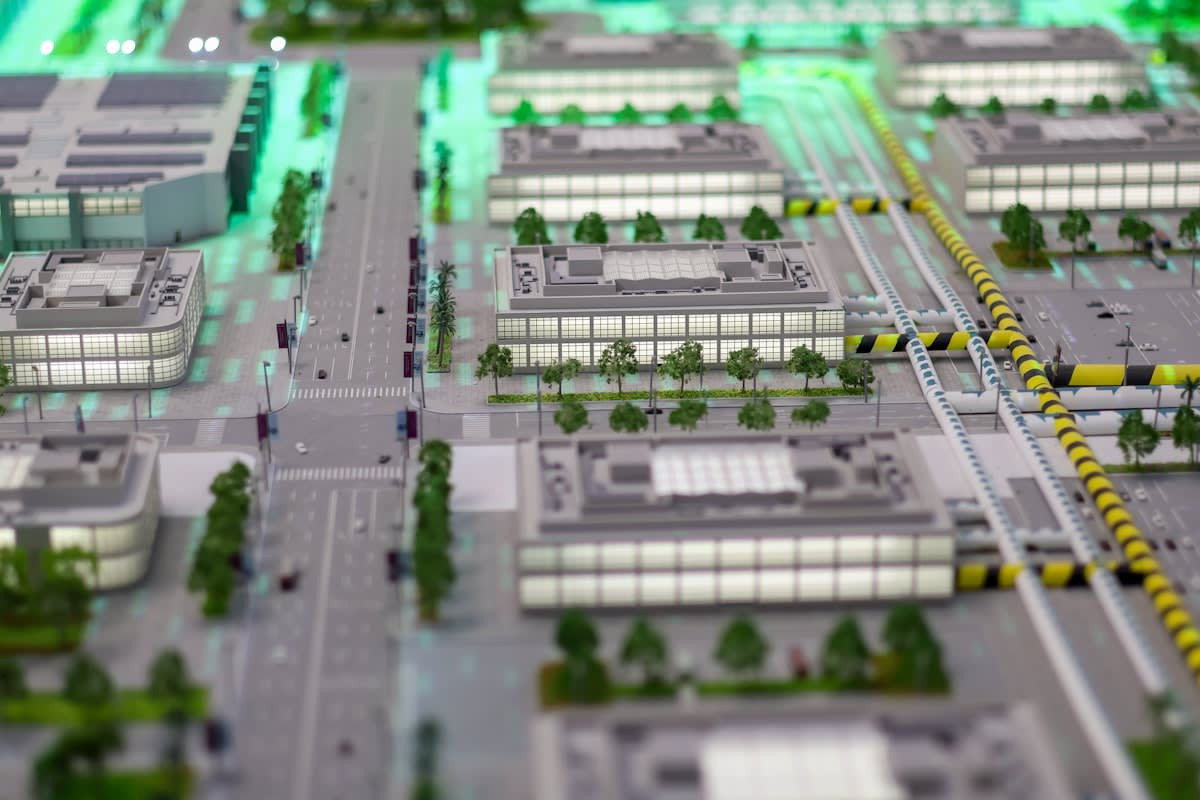
Maintaining a stable frequency in a grid saturated with asynchronous renewable sources is a physics problem, not a policy goal. As the International Renewable Energy Agency (IRENA) reported, renewable electricity generation grew by 9.8% in 2024, pushing the global share to 31.7%. To hit the 2035 target of 78%, operators must move beyond simple generation capacity and focus on the ancillary services that prevent total system collapse during sudden drops in wind or solar output. This requires a baseline of high-inertia assets or synthetic inertia provided by advanced inverter-based resources.
- Utility-scale Battery Energy Storage Systems (BESS) for rapid frequency response.
- High-voltage direct current (HVDC) interconnectors to balance regional surpluses.
- Automated demand-side response mechanisms to shed load in real-time.
- Mature solution-provider ecosystems capable of upgrading legacy substation hardware.
Why do some regions struggle while others scale? The difference lies in the treatment of the grid as a strategic asset rather than a passive conduit. In the United States, the push for a modernized, interconnected grid is now framed as a matter of national security. Fragmented, off-grid solutions often fail to provide the mutual support necessary during extreme weather events or sudden generation dips. Interconnectivity allows a surplus in one region to stabilize a deficit in another, effectively widening the pool of available inertia.
Step 1: Optimizing Utility-Scale Storage Cycles
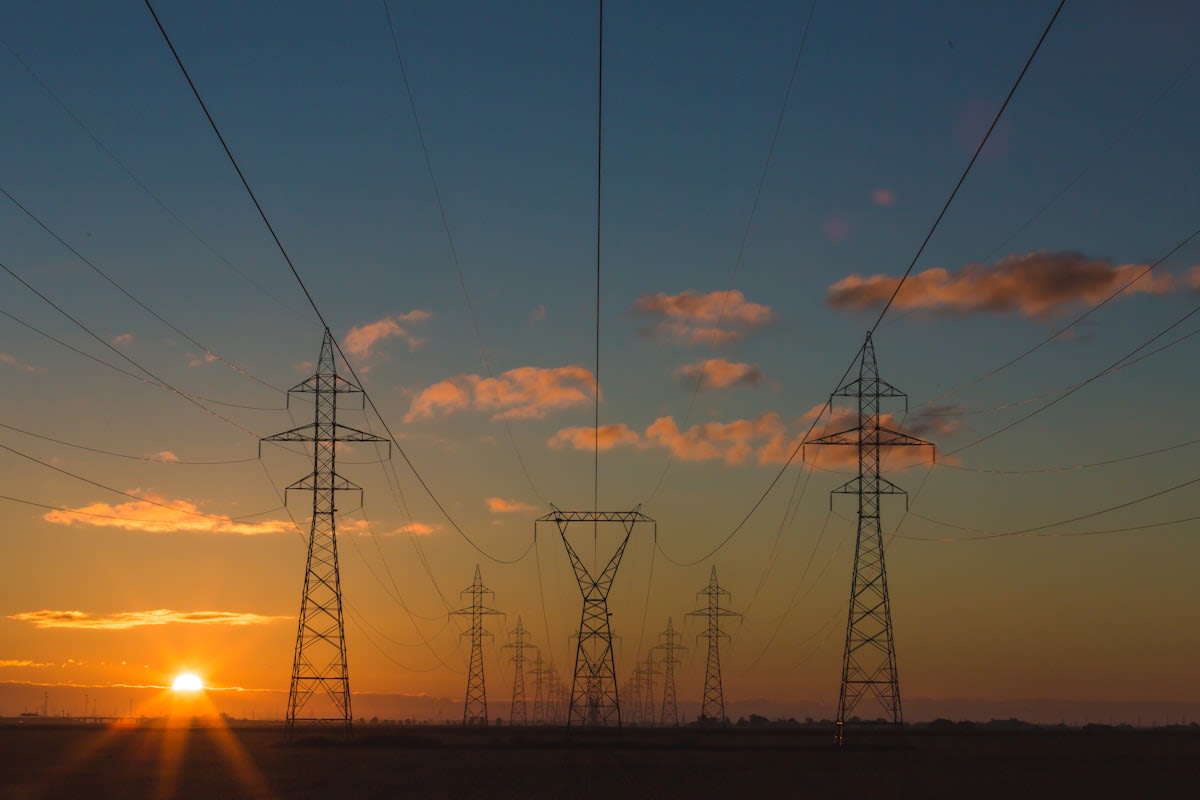
Installation of battery capacity is a vanity metric; the real value is found in cycle optimization. China currently operates the largest BESS fleet globally, yet analysis from Ember suggests a massive gap between installed capacity and actual utilization. In 2025, China's utility-scale batteries could have shifted an additional 23 TWh of clean electricity if they had been used to their full potential. This inefficiency represents a wasted opportunity to smooth the volatility of wind and solar generation.
China BESS Potential: Actual vs. Optimized Shift
Executive Insight
+18.4%
YTD Growth
To engineer stability, operators must increase the cycle frequency of co-located batteries. For instance, running China's 2025 capacity for an additional 100 cycles would have shifted 9.5 TWh of electricity—a volume roughly equivalent to the entire solar generation of Thailand in 2025. The goal is to transition BESS from simple backup power to a multi-tool that manages both peak shaving and frequency regulation simultaneously.
Step 2: Deploying Integrated Hybrid Facilities
The most resilient grids avoid the lag between generation and storage. Integrated hybrid projects, where solar arrays and BESS are co-located and managed by a single control system, eliminate transmission losses and provide immediate stability. The MTerra Solar project in the Philippines exemplifies this approach. Its first phase has already energized 1,373 megawatts of photovoltaic generation paired with 825 megawatts of battery storage, totaling 3.3 gigawatt-hours of capacity.
"The U.S. electric grid is a strategic national asset that enables economic growth, supports national security, and underpins modern life."— Concentric Energy Advisors
Scaling these hybrid facilities is essential for islanded or peripheral grids. Once the MTerra project reaches full completion, it is expected to hit 3.5 GW of solar generation and 4.5 GWh of battery storage. This level of integration allows the facility to act as a virtual power plant, providing a steady, dispatchable stream of power that mimics the reliability of traditional baseload plants while utilizing zero-carbon inputs.
Step 3: Managing High-Penetration Peaks
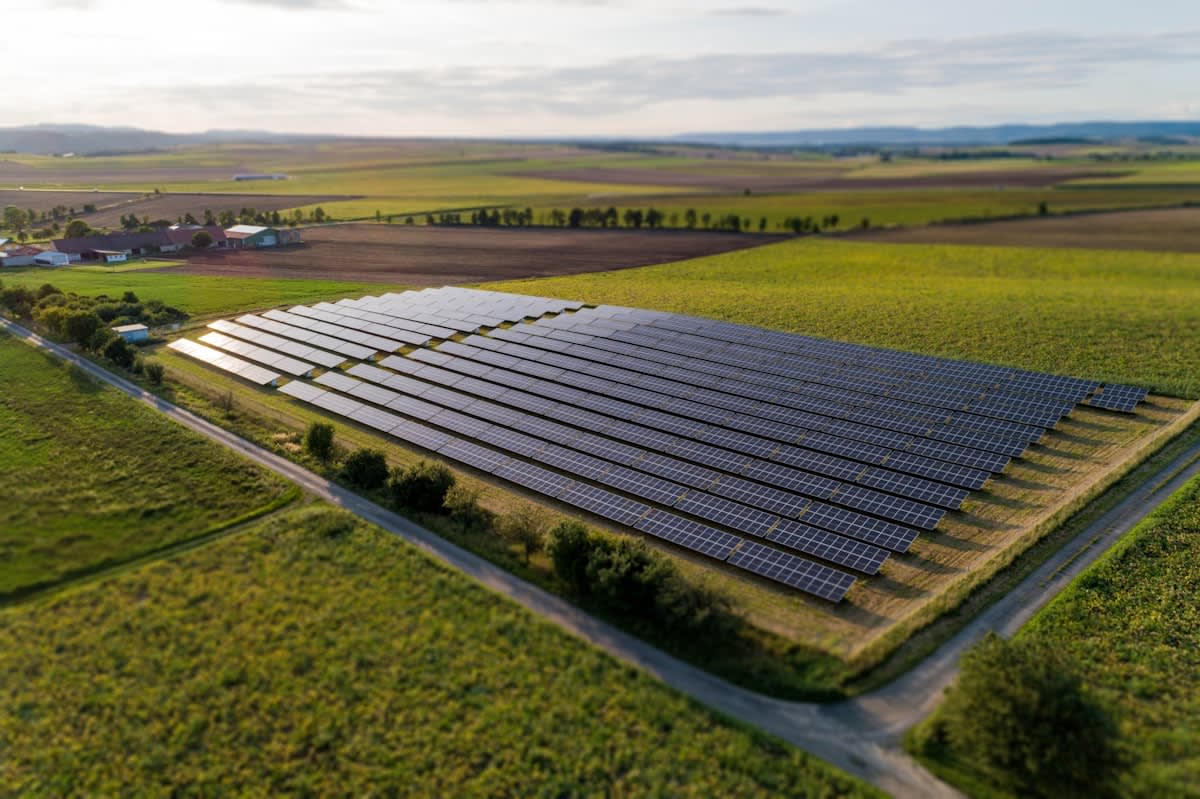
When renewables account for more than half of the energy mix, the grid faces a new set of stresses. The UK provides a critical case study; between April and June 2026, the country produced a record 8 terawatt-hours (TWh) of solar energy. While this surge is a victory for decarbonization, it creates an urgent need for grid flexibility to prevent over-generation and voltage spikes during peak solar hours.
| Metric | UK Q2 2026 Performance |
|---|---|
| Solar Generation | 8 TWh |
| Renewable Share | > 50% |
| Growth vs Previous Year | 37% |
To handle such volatility, operators must implement dynamic line rating (DLR) and advanced forecasting. If the grid cannot absorb 8 TWh of solar, the result is curtailment—wasted energy. The solution is to pair this generation with aggressive demand-side management, where industrial loads are shifted to coincide with solar peaks, effectively using the economy itself as a battery.
Step 4: Strategic Investment in Grid Efficiency
Grid stability is not just about hardware; it is about the financial structures that fund it. Tikehau Capital argues that renewables and grid efficiency should be viewed as private equity opportunities rather than traditional infrastructure plays. This distinction is vital. Infrastructure investments typically seek low-risk, steady yields, but grid modernization requires the agility and risk appetite of private equity to deploy new technologies rapidly.
Market Insight
Europe currently possesses the most mature market for grid efficiency solution providers. This maturity allows for faster deployment of the hardware necessary to ensure energy security in a world of volatile supply chains.
Investment must target the solution providers who build the resilience required for renewable-driven independence. By focusing on grid efficiency, investors can reduce the amount of raw generation needed to meet demand, thereby lowering the total stress on the system. This approach treats the grid as a lean machine, optimizing every megawatt of flow to ensure that security is not compromised by the intermittency of the source.
Common Pitfalls in Grid Hardening
- Over-reliance on fragmented off-grid solutions which lack the systemic inertia of an interconnected network.
- Under-utilizing BESS capacity by failing to optimize cycle frequency, leading to missed opportunities for clean power shifts.
- Ignoring supply chain risks associated with the rapid scale-up of renewable components.
- Treating grid modernization as a static infrastructure project rather than a dynamic technological evolution.
The transition to a 78% renewable share by 2035 is inevitable but technically perilous. The paths taken by China in BESS scale, the Philippines in hybrid integration, and the UK in managing solar peaks provide the necessary data points for success. Stability is achieved not through the avoidance of volatility, but through the engineering of systems that can absorb and redirect it.