‘Resign, it’s done bro’: Abhijeet Dipke’s message for Bar Council chief
Source Entity
The Indian Express
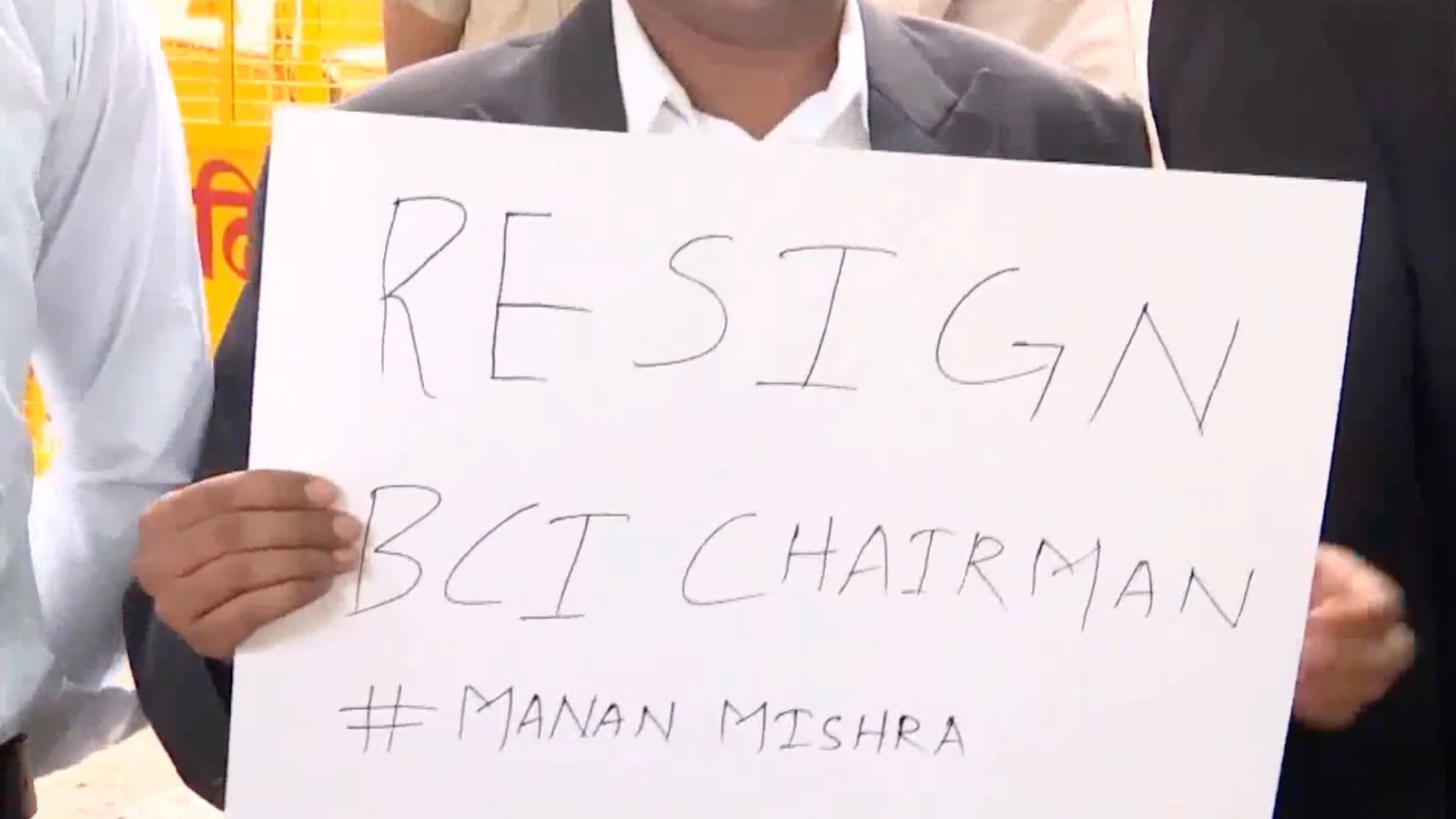
The Bar Council of India (BCI) chairman, Manan Kumar Mishra, faces mounting calls for resignation following a controversial directive to bar 2026 NALSAR graduates from enrollment. Legal organizations and the Cockroach Janta Party have condemned his apology as insincere and belated, staging protests at his Delhi office.
The BCI Enrollment Crisis: Accountability and Institutional Integrity
The Trigger: A Disputed Directive
The controversy stems from an August 13 order issued by Bar Council of India (BCI) Chairman Manan Kumar Mishra, which directed state bar councils to withhold the enrollment of the entire 2026 graduating class from the National Academy of Legal Studies and Research (NALSAR) in Hyderabad. This unprecedented move sent shockwaves through the legal fraternity, threatening the professional future of hundreds of aspiring lawyers. While the order was eventually rescinded, the damage to the institutional reputation of the BCI was immediate and severe.
The Nature of the Public Backlash
In the wake of the order, public and professional outcry escalated rapidly. The Cockroach Janta Party (CJP), led by Abhijeet Dipke and spokesperson Saurav Das, mobilized a protest at the BCI headquarters in New Delhi. The group, identifying as "legal cockroaches," explicitly demanded Mishra’s resignation, framing the BCI chief’s actions as an abuse of his office. This protest represents a shift in how legal students and activists are challenging regulatory bodies, using social media mobilization to demand direct accountability from leadership.
Institutional Condemnation: The Bombay Bar Association
Adding significant weight to the movement, the Bombay Bar Association (BBA)—one of the oldest and most respected bodies of lawyers practicing before the Bombay High Court—issued a formal statement condemning Mishra’s actions. In a letter dated August 18, the BBA characterized Mishra’s subsequent apology as a "belated" attempt to "assuage the situation" rather than a genuine expression of remorse. By calling for his resignation, the BBA has signaled that a mere retraction of an order is insufficient when the initial action is viewed as an abuse of power.
Analyzing the 'Apology' Debate
Central to this conflict is the discourse surrounding the BCI chairman’s apology. Critics argue that the August 13 communication—which initially barred enrollments and subsequently attempted to pivot toward an inquiry into NALSAR—lacked the transparency and procedural fairness expected of a national regulatory body. The refusal of the legal community to accept the apology suggests a deep-seated lack of trust in the current BCI leadership, viewing the chairman’s actions as fundamentally incompatible with the duties of his office.
Broader Implications for Legal Education
This event highlights the precarious relationship between regulatory bodies and elite law schools. The attempt to freeze the enrollment of an entire graduating class sets a concerning precedent for administrative overreach. If a regulatory body can unilaterally threaten the careers of students without robust due process, it undermines the autonomy of academic institutions and the security of the legal profession. The ongoing protests and the hardening stance of organizations like the BBA suggest that the legal community is moving toward a model of stricter oversight for those in power.
Future Trends and Conclusion
As the situation develops, the pressure on Manan Kumar Mishra is unlikely to subside. The CJP has threatened larger demonstrations should the demand for resignation remain unmet. The BCI now faces a critical juncture: it must either address the systemic concerns regarding its leadership’s conduct or risk a sustained erosion of its authority. This episode serves as a powerful reminder of the importance of checks and balances within professional regulatory bodies and the growing power of organized, collective advocacy within the legal sector.
Multiple Citing Sources