Japan's historic yen intervention has ‘turbo-charged’ the carry trade
Source Entity
US Top News and Analysis
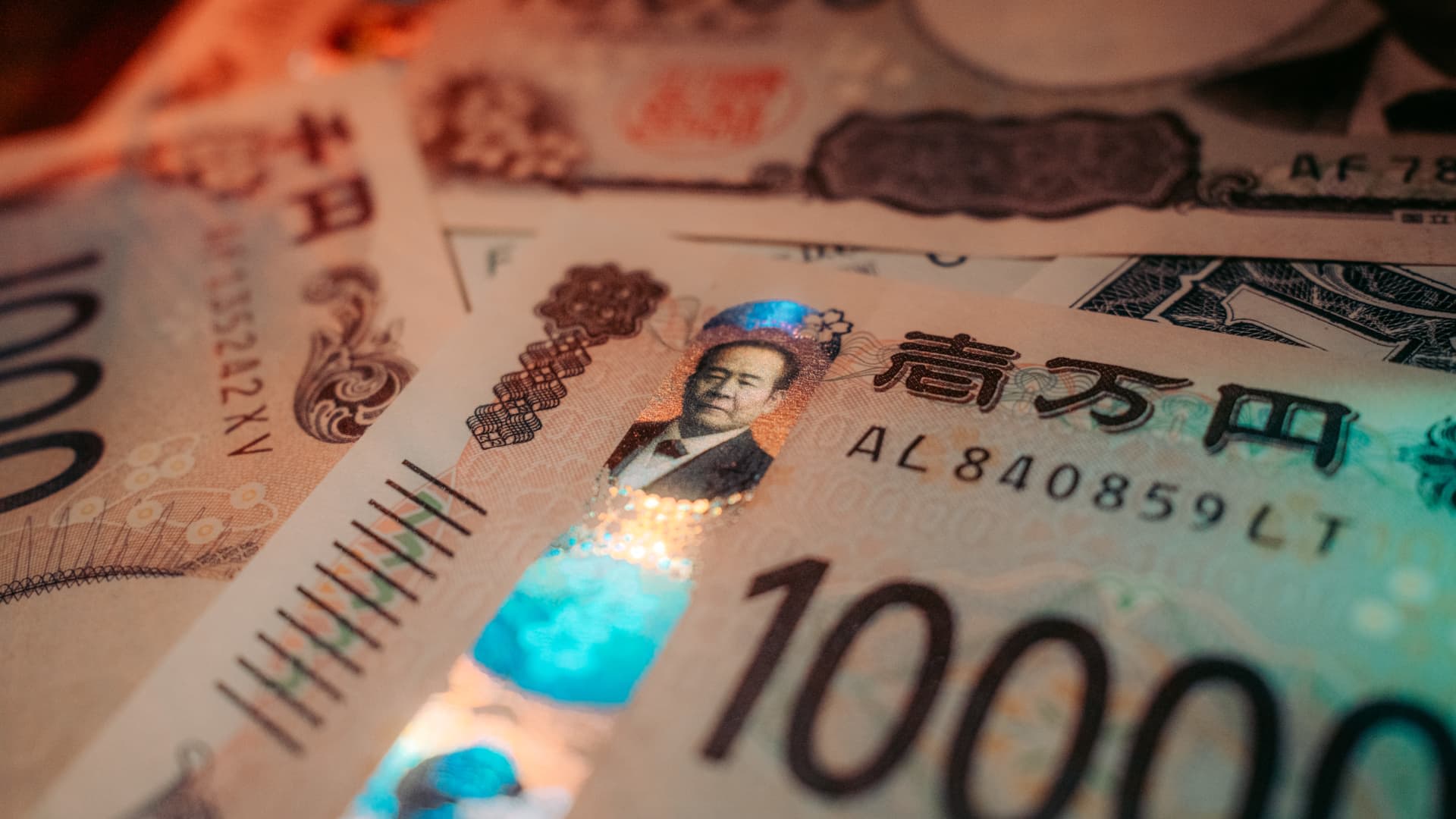
Japan's recent intervention to strengthen the yen has ironically fueled a resurgence in the carry trade. Investors are leveraging the currency's rally to aggressively purchase foreign assets, shifting from net sellers to major buyers.
The Paradox of Japan's Currency Intervention
Japan’s recent historic effort to stabilize the yen through direct market intervention was intended to curb volatility and protect the domestic economy from the pressures of a weakened currency. However, the move has triggered a complex, unintended consequence: the revitalization of the carry trade. By creating a temporary, artificial spike in the yen's value, the intervention inadvertently provided a window for savvy investors to acquire foreign assets at more attractive, albeit fleeting, exchange rates.
The Mechanics of the Resurgent Carry Trade
The carry trade involves borrowing in a low-interest-rate currency—historically the Japanese yen—to invest in higher-yielding assets elsewhere. When the Ministry of Finance stepped in to prop up the yen, it created a sharp rally that many institutional investors perceived as an optimal entry point. Rather than retreating, these market participants utilized the strengthened yen to lock in long-term foreign bonds and equities, effectively doubling down on the carry trade strategy.
Analyzing the Capital Flow Shift
Data from the Ministry of Finance provides a stark illustration of this shift. In the two weeks ending August 15, Japanese investors transitioned from net sellers of over 300 billion yen to net buyers of more than 5 trillion yen in foreign equities and long-term bonds. This massive swing highlights how quickly institutional capital can pivot when currency interventions alter the cost basis of international investments.
Broader Economic Implications
This trend poses a significant challenge for Japanese policymakers. While the intervention aimed to limit the downside of the yen, the resulting capital outflows into foreign markets may counteract the desired domestic stabilization. If investors continue to view the yen's strength as a temporary discount for international shopping, the central bank’s ability to influence the exchange rate long-term becomes increasingly complicated.
Future Trends and Market Outlook
Looking ahead, the market is likely to remain hyper-sensitive to any further intervention signals. The current behavior of investors suggests that the carry trade is not merely a relic of past economic cycles but an adaptive strategy that evolves alongside government intervention. Policymakers will need to weigh the benefits of currency support against the risk of incentivizing further capital flight, as the global search for yield continues to drive investment decisions regardless of local market interventions.