A joke domain purchase turned in geopolitical warfare
Source Entity
Hacker News
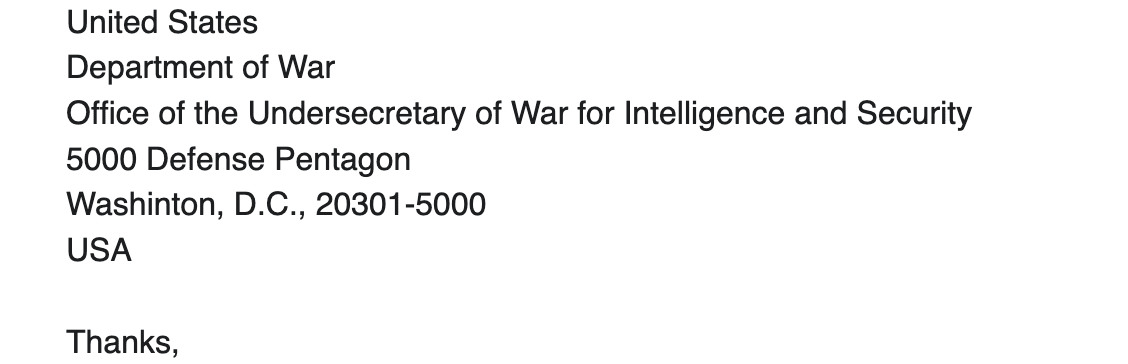
The amateur radiosonde tracking community evolved from a niche hobby into a complex geopolitical concern. The transition from Habhub to Sondehub illustrates how innocuous tracking tools can inadvertently intersect with sensitive meteorological and government infrastructure.
The Unintended Evolution of Radiosonde Tracking
What began as a localized hobby for weather balloon enthusiasts in Australia has transformed into a sophisticated digital infrastructure project. The narrative centers on the transition from the High Altitude Ballooning Hub (Habhub) to the creation of Sondehub.org, a shift necessitated by the increasing density of meteorological data being tracked by amateur hobbyists. This evolution highlights the intersection of open-source community efforts and the complexities of monitoring atmospheric hardware.
From Niche Hobby to Systematic Monitoring
In the early stages, tracking radiosondes—the small transmitters attached to weather balloons—was a niche pursuit led by individuals like Mark VK5QI. The community relied on Habhub, a platform originally intended to track amateur balloons. However, as the tracking community expanded, the frequency with which they captured meteorological weather balloon data increased significantly. This influx of data forced administrators to implement filters to distinguish between amateur projects and official meteorological sensors, setting the stage for the launch of Sondehub on May 12, 2018.
The Geopolitical Intersection of Data
While the motivation behind Sondehub was purely technical and hobbyist-driven, the implications of tracking meteorological assets quickly transcended the amateur sphere. Meteorological balloons are critical components of national weather services, often operating within government-regulated airspaces. When amateur groups begin aggregating real-time data on these assets, they inadvertently create visibility into the movements and operations of government departments, including those tasked with national security and defense.
The Complexity of Open-Source Intelligence (OSINT)
This situation serves as a prime example of the power and potential volatility of modern open-source intelligence. By democratizing the ability to track high-altitude hardware, the community created a de facto monitoring network that government agencies were not originally prepared to manage. The transition of the platform reflects a broader trend where hobbyist technology, when scaled, begins to mimic the capabilities of surveillance infrastructure, leading to inevitable scrutiny from institutional actors.
Future Trends and Institutional Friction
Looking ahead, the tension between open-access tracking platforms and government sensitivities is likely to increase. As tracking algorithms become more precise and the hardware used by hobbyists becomes more affordable, the ability for the public to monitor atmospheric and, by extension, governmental activity will grow. Future developments will likely involve a push-and-pull dynamic where government departments attempt to regulate air-traffic visibility, while community-driven platforms strive to maintain the transparency of their data-gathering efforts.
Conclusion
The journey from a simple joke domain purchase to a complex digital ecosystem demonstrates that in the information age, no data collection effort remains truly local for long. The story of Sondehub is a testament to the unforeseen geopolitical weight that can be placed on small, community-driven projects when they begin to map the physical movements of state-operated assets.