Kangana Ranaut slams reducing relationships to ‘body counts’, blames ‘western culture’ for spouses killing each other
Source Entity
Latest News: Todays Latest News Headlines from India & World | Hindustan Times | Hindustan Times
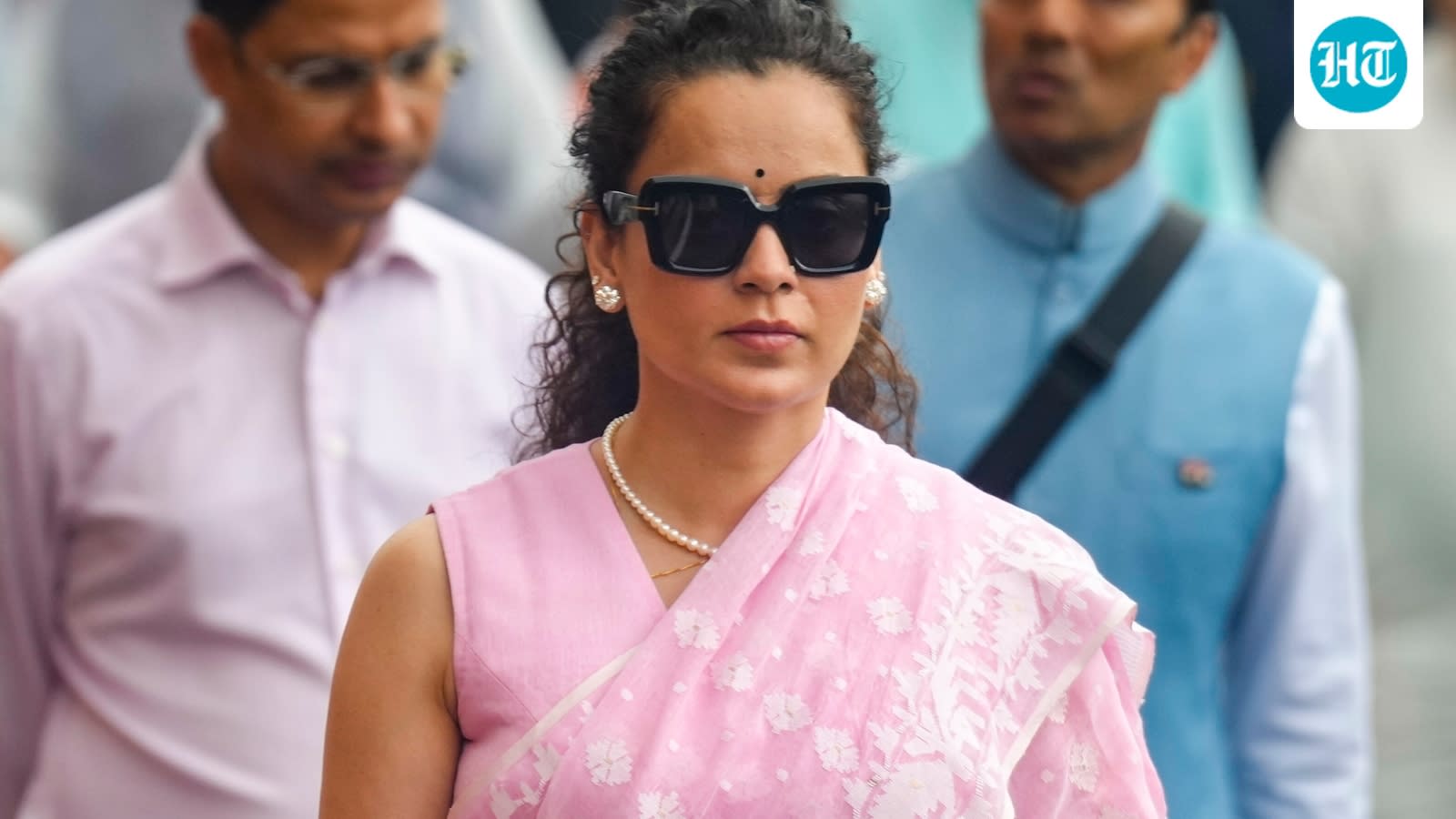
Actor and BJP MP Kangana Ranaut has sparked debate by linking rising spousal violence in India to the influence of Western culture. Simultaneously, she engaged in a public spat with Baba Ramdev, defending her character against his criticism.
The Intersection of Social Commentary and Political Discourse
Actor and BJP Member of Parliament Kangana Ranaut has recently utilized her public platform to address two distinct, high-profile issues: the alarming rise in domestic violence cases in India and a personal confrontation with yoga guru Baba Ramdev. By linking the horrific nature of recent domestic crimes to a critique of 'westernized' cultural shifts, Ranaut has ignited a broader conversation regarding the evolution of interpersonal relationships and the societal pressures currently facing Indian families.
Analyzing the Critique on Domestic Violence
Ranaut’s commentary was triggered by a gruesome incident in Bengaluru, where a woman and her accomplice allegedly murdered both her husband and her five-year-old son. In response, Ranaut argued that the normalization of 'body counts'—a term she uses to describe the reduction of human intimacy to casual or transactional encounters—has eroded the sanctity of marital bonds. She posits that while Western culture is often emulated, its integration into the Indian context is occurring without the social structures necessary to prevent the violent disintegration of families.
The Cultural Tension: East vs. West
Ranaut’s assertion that 'people in the west are not deleting each other under social pressures of arranged marriage' suggests a belief that Indian society is currently caught in a transition phase. She argues that the adoption of Western individualism, when combined with traditional expectations of arranged marriages and conservative values, creates a volatile environment. This analysis highlights a perceived lack of psychological and societal support systems for individuals navigating this cultural friction, leading to extreme outcomes.
A Public Confrontation with Baba Ramdev
In a parallel development, Ranaut engaged in a sharp verbal exchange with Baba Ramdev. The conflict originated from Ramdev's criticism of Ranaut’s previous 'Generation Gutter' remarks regarding young protesters. Ranaut’s retort was pointed, focusing on the legitimacy of her own character compared to the legal challenges faced by Ramdev. By referencing the Supreme Court’s past scrutiny of Ramdev’s efficacy claims, she effectively shifted the discourse from a critique of her personal opinions to a debate over institutional integrity and public accountability.
Implications for Public Figures in Politics
These incidents underscore the unique position Ranaut holds as both a prominent Bollywood actor and a sitting BJP MP. Her tendency to use social media as a primary vehicle for political and personal commentary often blurs the lines between celebrity culture and legislative advocacy. This duality ensures that her statements—whether regarding the breakdown of the family unit or personal vendettas—reach an expansive audience, often polarizing public opinion.
Conclusion and Future Trends
Looking ahead, it is likely that Ranaut will continue to leverage her platform to challenge social norms and engage in high-stakes public debates. As she balances her cinematic career with her parliamentary responsibilities, the intersection of her outspoken nature and her political role will remain a focal point of Indian media. Whether her critiques on social decay will lead to substantive policy discussions or remain within the realm of public controversy remains to be seen, but her influence on the national narrative is undeniable.
Multiple Citing Sources
Verification Required?