Spirit Flight Attendants Fight Google’s Data Bid for AI
Source Entity
Latest News: Todays Latest News Headlines from India & World | Hindustan Times | Hindustan Times
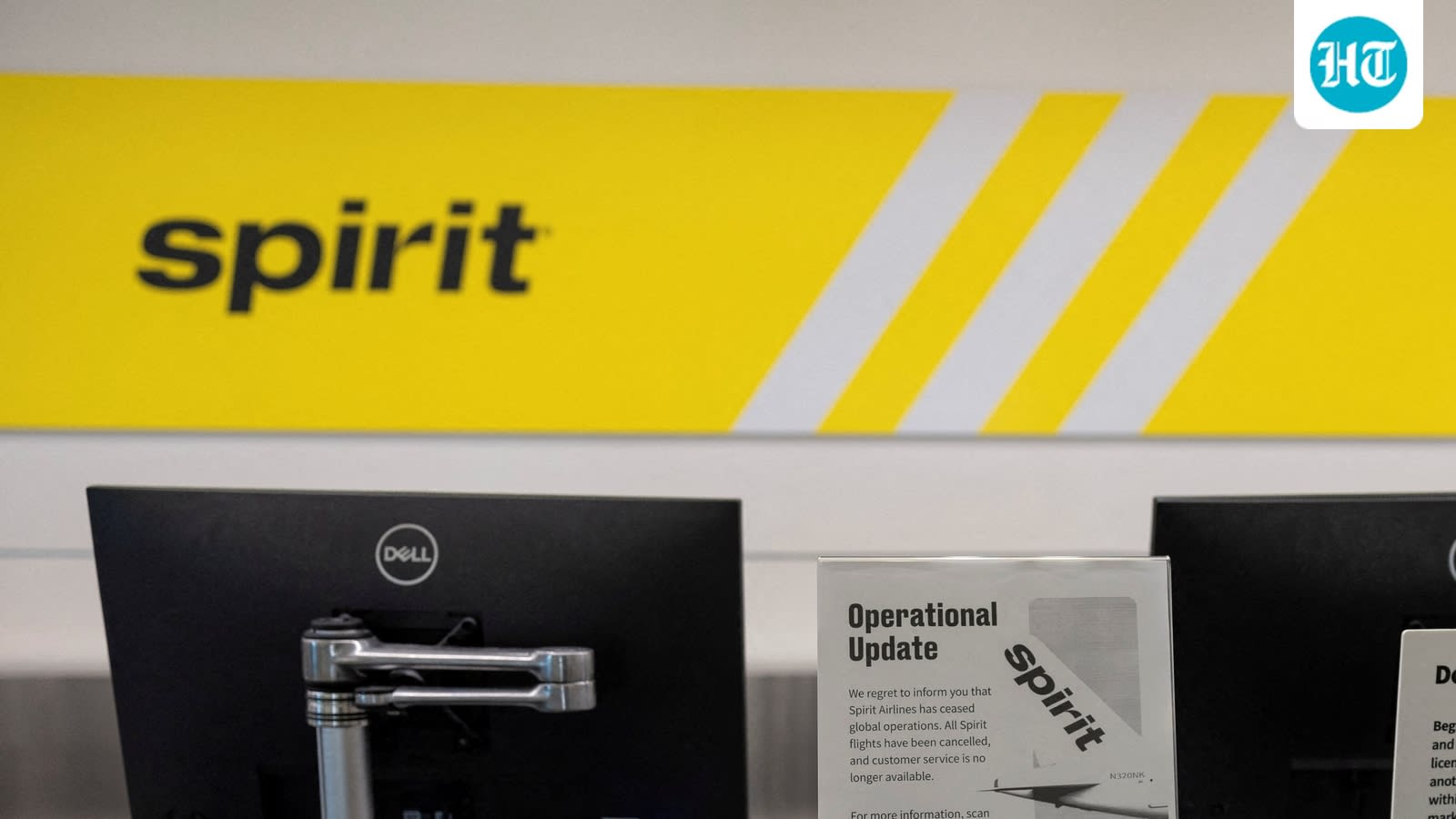
Former Spirit Airlines flight attendants are challenging Google's $10 million acquisition of the defunct airline's data. They fear the sale could compromise private worker information for use in artificial intelligence training models.
The Privacy Battle Over Airline Data
In a significant development within the U.S. Bankruptcy Court in Manhattan, the proposed $10 million acquisition of Spirit Airlines' digital archives by Google has hit a major legal roadblock. Former flight attendants, represented by their labor union, have formally objected to the sale, citing grave concerns regarding the privacy of sensitive employee information. The heart of the dispute lies in the fear that this massive trove of data, which includes confidential records of the workforce, could be repurposed to train artificial intelligence models without the explicit consent or protection of the individuals involved.
The Intersection of Bankruptcy and Data Ethics
This case highlights the growing tension between corporate liquidation processes and the sanctity of personal data. As companies file for bankruptcy, their digital assets—often their most valuable property—are liquidated to satisfy creditors. However, when those assets contain granular details about employees, the standard commercial sale process faces ethical and legal scrutiny. The flight attendants are explicitly requesting that their confidential records be excluded from the transaction or, at the very least, granted the same rigorous privacy protections typically reserved for consumer data.
The AI Training Imperative
Google’s interest in the digital archives of a defunct airline is widely viewed through the lens of artificial intelligence development. Large Language Models (LLMs) and predictive analytics require vast datasets to improve accuracy and functionality. By acquiring the historical records of an airline, a tech giant could potentially gain insights into operational logistics, communication patterns, and internal workflows. The labor union's objection suggests that they are acutely aware that their professional histories could become raw material for machine learning, a prospect they argue is an unacceptable violation of their privacy rights.
Implications for Future Labor Negotiations
The outcome of this bankruptcy court hearing could set a profound legal precedent for how employee data is handled during corporate dissolutions. If the court sides with the flight attendants, it may force companies to sanitize their data assets before auction, potentially lowering the value of digital archives in future bankruptcy proceedings. Conversely, if the sale proceeds without these protections, it could create a blueprint for tech companies to acquire sensitive workforce data under the guise of general digital archives, bypassing traditional privacy regulations.
Protecting the Digital Identity of Workers
Ultimately, this struggle underscores the broader societal shift toward valuing digital sovereignty. As AI continues to permeate every industry, the distinction between 'corporate data' and 'personal data' is becoming increasingly blurred. The flight attendants are essentially asserting that their digital footprint remains their property, even if the entity that employed them no longer exists. The court’s delay in approving the $10 million deal demonstrates that the judicial system is beginning to grapple with the complexities of digital assets in an era of rapid AI expansion.
Conclusion
The ongoing legal battle between former Spirit Airlines employees and Google represents a critical inflection point in data governance. By demanding that their personal information be shielded from being ingested by AI systems, the flight attendants are championing a new standard for data transparency in the digital age. As the court weighs the rights of creditors against the privacy of the workforce, the final decision will likely influence how tech giants navigate the acquisition of legacy data for years to come.
Verification Required?