What is an ‘industry’? Supreme Court to decide scope of key labour law
Source Entity
Amaal Sheikh
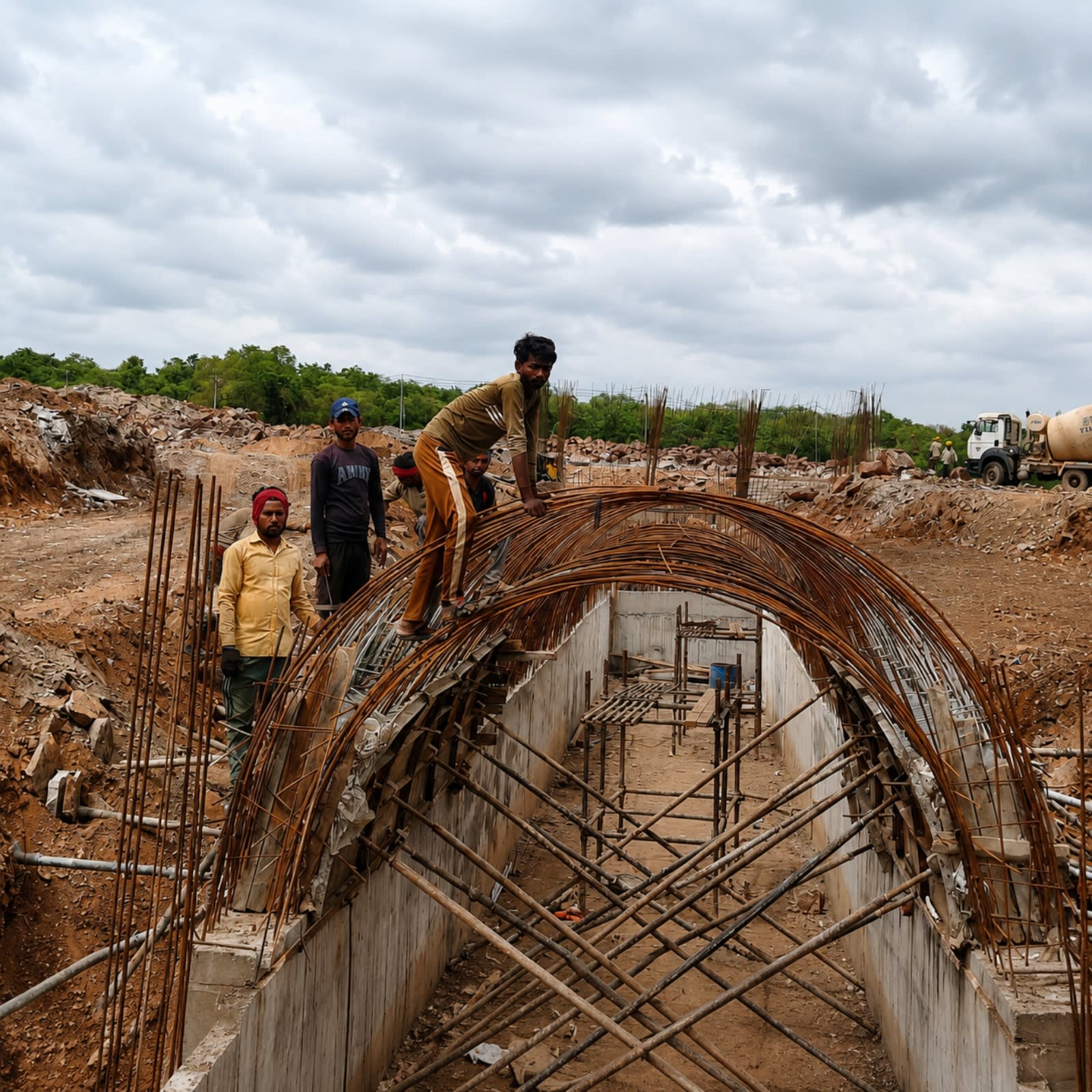
The Supreme Court of India has delivered a 5:4 majority verdict refining the definition of 'industry' under labour law. While the ruling adjusts the 1978 Bangalore Water Supply precedent, the court unanimously protected all currently pending legal disputes from retroactive impact.
The Evolution of Labour Jurisprudence in India
The Supreme Court of India has reached a pivotal moment in legal history, delivering a 5:4 majority verdict that redefines the scope of what constitutes an “industry” under labour law. This decision addresses the foundational 1978 judgment in Bangalore Water Supply & Sewerage Board Vs A Rajappa, which had long served as the benchmark for labour rights. By revisiting this precedent, the nine-judge bench, led by Chief Justice Surya Kant, sought to clarify the boundaries of industrial-dispute protections that affect millions of workers across the nation.
Analyzing the 1978 Precedent
For nearly five decades, the 1978 ruling stood as a pillar of Indian jurisprudence, establishing that an establishment qualified as an “industry” based on organized employer-employee activity aimed at providing goods or services, explicitly regardless of a profit motive. This definition was exceptionally broad, bringing hospitals, educational institutions, and government-run social services under the umbrella of labour protections. The recent deliberation by the nine-judge bench was necessitated by the need to re-evaluate whether this expansive interpretation remains compatible with the current economic and social landscape of the country.
The Mechanics of the 5:4 Verdict
Legal scholars and stakeholders have closely monitored this case due to its potential to alter the rights of employees in welfare bodies and public services. The 5:4 split within the nine-judge bench highlights the complexity of balancing employer autonomy with the necessity of safeguarding worker protections. By refining the test rather than completely dismantling it, the Court has attempted to modernize the criteria while maintaining the core philosophy that the nature of work, rather than the profit motive, is a critical factor in determining industrial status.
Protecting Pending Litigation
Perhaps the most significant aspect of the judgment is the unanimous decision to protect all pending disputes from the impact of the new formulation. By ensuring that existing litigation remains insulated from this refined definition, the Supreme Court has prevented a potential wave of legal instability. This move provides a necessary buffer for both employers and workers who have relied on the 1978 standard during the course of their ongoing legal battles, ensuring that the transition to the new legal interpretation is orderly and equitable.
Broader Implications for the Workforce
This ruling carries profound implications for the future of labour relations in sectors previously categorized as non-industrial. As the judiciary continues to refine the Industrial Disputes Act, the focus remains on the balance between professional operational flexibility and the fundamental rights of those providing essential services. Future trends will likely show a more nuanced approach to how the state defines industrial activity, as the Court attempts to harmonize legislative intent with the realities of a modern, service-oriented economy.
Conclusion
The Supreme Court’s decision marks a transition in Indian labour law, moving from a static interpretation to a more refined, contemporary framework. While the 1978 judgment served its purpose in protecting workers for nearly half a century, the Court’s willingness to revisit and adjust this definition signals a responsive judiciary. By upholding the maintainability of the reference and simultaneously shielding pending cases, the bench has balanced the need for legal evolution with the imperative of protecting existing legal rights.