#circular economy
Discover 33 curated intelligence briefings related to this specific topic.

The Alchemy of Waste: How Global Food Giants are Rebranding Scraps as Gold
The global food industry is undergoing a quiet but radical transformation. What was once considered industrial waste—whey, pomace, and husks—is being re-engineered into high-margin luxury ingredients, shifting the narrative from sustainability to profitability.

The Beige Apocalypse: Why the World is Trading Minimalist Silence for Visual Chaos
For over a decade, a sterile, homogenized aesthetic dominated everything from Tokyo apartments to New York corporate offices. Now, a systemic shift is underway. We explore why the world is pivoting back to visual chaos and what this means for the future of design.
The New Gold Rush is Underground: The Global Pivot to Urban Mining
The global scramble for critical raw materials has shifted. No longer just a quest for new mines in remote territories, the race is now about 'Urban Mining'—the strategic recovery of minerals from e-waste and infrastructure to ensure national material sovereignty.

The End of the Mystery Product: How Digital Product Passports are Rewriting Global Consumption
Digital Product Passports (DPPs) are evolving from niche sustainability experiments into mandatory global trade requirements. We examine the shift from theoretical policy to ground-level implementation and why the 'mystery product' is becoming a liability for global brands.

The Alchemy of Waste: Inside the USD 580 Billion Upcycled Protein Revolution
The global food system is undergoing a fundamental reclassification. What was once termed 'agricultural waste' is now being mined for high-value proteins, driving an upcycled ingredients market toward a staggering USD 580.6 billion valuation.

The Death of the Breadbasket: How Urban Sovereignty is Redrawing the Global Food Map
The centuries-old reliance on rural hinterlands is collapsing. From China's strategic insulation to Israel's aeroponic walls, the rise of the city-state diet represents a systemic shift toward urban food autonomy and the end of the traditional rural-to-urban pipeline.
The Long Game: A Master Practitioner's Guide to Residential Long-Duration Energy Storage
Stop thinking in hours and start thinking in days. This guide moves past the limitations of standard lithium batteries to explore thermal storage, virtual power plants, and the systemic shift toward long-duration energy resilience for the modern home.
The Mineral Mirage: Why the Global Race for Rare Earths is Shifting Toward Urban Mining
The obsession with primary extraction creates a dangerous vulnerability. As the clean energy transition demands a 500% increase in lithium and graphite mining, a contrarian shift toward urban mining—recovering critical minerals from e-waste and industrial scrap—is emerging as the only viable hedge against geopolitical instability.

The Anthropogenic Goldmine: Why the Future of Mining is Above Ground
Forget the deep-sea vents and the remote mountains. The next great resource frontier is our own waste. From the US export bans on e-waste to China's EV battery loops, a systemic shift toward urban mining is redefining national security and industrial economics.
The Urban Mine: Why the World is Stopping the Dig and Starting the Harvest
As geopolitical tensions tighten the grip on raw materials, a new industrial race has emerged. The world is no longer looking solely to the earth for minerals; it is looking at its cities. Through AI-powered robotics and aggressive new legislation, urban mining is transforming waste streams into strategic reserves of gold, cobalt, and copper.

The Circular Kitchen: Engineering a Zero-Waste Food Ecosystem at Home
Stop treating your kitchen like a transit station for waste. Learn how to implement a professional-grade circular food system using audits, strategic procurement, and ancestral preservation techniques.

The Local Ledger: Why Neighborhood Money is Beating the Bank
As global inflation erodes purchasing power, a quiet revolution is taking hold. Communities are bypassing central banks to create their own localized currencies, turning trust into a tangible asset and redefining economic resilience.

The Mineral Wall: The Great Realignment of the Tech Supply Chain
Resource nationalism is not a crisis of supply, but a systemic shift toward value-added sovereignty. As nations move from exporting raw ores to demanding domestic refining, the global tech industry must abandon the 'just-in-time' extraction model for a new, resilient industrial logic.

The Urban Mine: Why Material Passports Are Killing the Wrecking Ball
The era of the demolition site is ending. A global shift toward 'Material Passports' is transforming buildings into curated libraries of resources, turning the act of tearing down a structure into a precise exercise in harvesting.
The Sovereignty Tax: How the New Resource Nationalism Rewires Global Inflation
The shift from globalized commodity markets to state-led strategic stockpiling is creating a 'sovereignty tax' that trickles down to every consumer. As nations weaponize their mineral wealth, the cost of living is being quietly reshaped by the geography of the earth's crust.
The Urban Mine: Harvesting the Digital Ruins for the Green Transition
As the world pivots to green energy, the most valuable deposits of rare earth elements are no longer buried in the crust, but scattered across our landfills. This is the new gold rush.
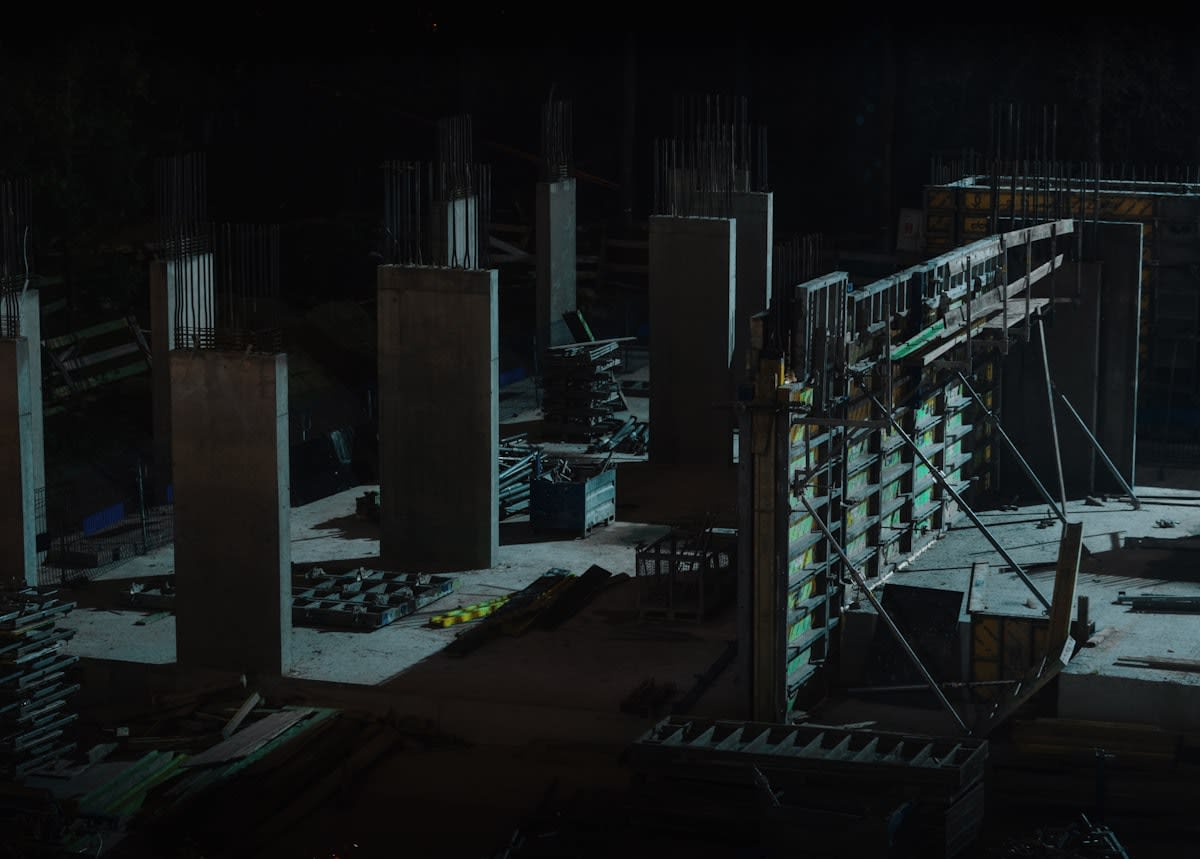
The Art of the Un-Make: A Masterclass in Design for Disassembly
Construction is traditionally a one-way street ending in a landfill. Design for Disassembly (DfD) flips the script, treating buildings as material banks that can be unpacked, updated, and repurposed without destruction.
The Urban Ore Rush: Why Landfills Are the New Strategic Reserves
We spent a century digging into the earth to build the modern world. Now, the most valuable deposits of rare earth metals aren't in the mountains—they are buried under our feet in the city.

The Concrete Vein: Why the World is Mining Its Own Trash for Rare Earths
The global race for Rare Earth Elements (REEs) has shifted from remote mountain ranges to the heart of our cities. As geopolitical tensions rise and natural deposits dwindle, the urban mine—our discarded electronics and industrial scrap—has become the most strategic resource on the planet.
The Great Recovery: Turning Landfills into the World's Most Valuable Mines
The era of digging deeper into the earth is hitting a wall of diminishing returns. From Tokyo to Accra, a new industrial revolution is emerging: urban mining. We explore why the world's discarded electronics are now more valuable than the ground they sit on.

The Protein Pivot: Valorizing the Global Waste Stream
The global food industry is undergoing a seismic shift. No longer content with mere waste reduction, innovators are transforming side-streams—spent grains, fruit pomace, and organic scraps—into high-value premium proteins, turning environmental liabilities into profit centers.
Feedstock Hunger Trumps Waste Reduction
As Southeast Asia scales its food delivery markets and pivots toward advanced battery manufacturing, the reliance on waste-to-energy plants risks locking the region into a high-waste equilibrium that contradicts essential ecological imperatives.

Digital Passports Force Circularity into the Balance Sheet
Integrating Digital Product Passports (DPPs) requires more than software; it demands a convergence of 5G infrastructure, regulatory pre-clearance, and precise chemical mapping to transform waste streams into revenue.
Urban Mines Outperform Virgin Ore
A rigorous engineering approach to mineral recovery requires moving beyond simple recycling toward high-precision hydrometallurgical and pyrometallurgical circuits that treat waste as a high-grade ore body.

Trading the Unseen for the Electric
As the world pivots toward electrification, the Clarion-Clipperton Zone has become the new frontier. But the cost of battery metals may be the permanent loss of biological blueprints we haven't even learned to read.
Urban Ore Reserves Now Outperform Primary Extraction
As primary ore grades plummet globally, the industrial focus has pivoted toward urban mining. This transition is no longer a sustainability preference but a hard economic necessity driven by metal concentrations in e-waste that dwarf traditional geological deposits.
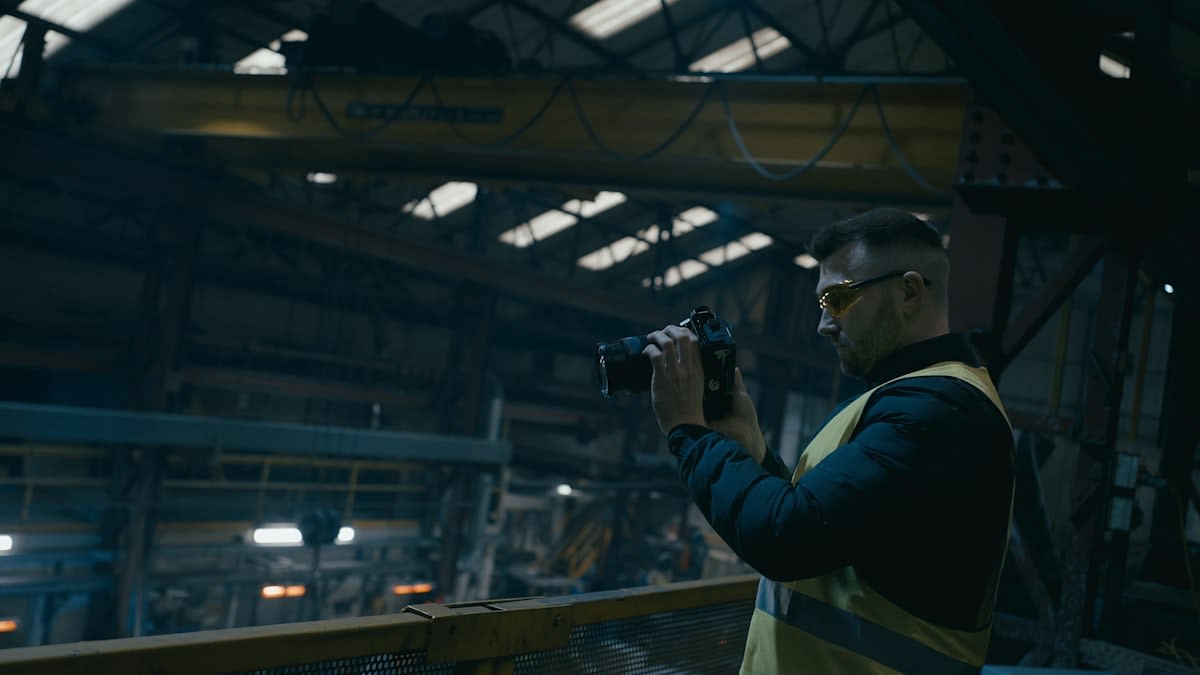
Industrial Scavenging Outperforms Virgin Extraction
A technical framework for transitioning from destructive demolition to strategic industrial scavenging, focusing on material passports, precision deconstruction, and the economics of urban mining.

Stop Digging Holes; Start Mining Waste
The traditional extractive model is collapsing under the weight of geopolitical risk and environmental degradation. A new strategic frontier is emerging where GenAI, microalgae, and circular manufacturing turn waste streams into the most valuable reserves on the planet.

The Great Deceleration: The Global Pivot Toward Heritage Labor and Holistic Roles
As of July 2026, a systemic shift is underway. We are witnessing a move away from the sterile efficiency of the late industrial era toward 'modern heritage'—a synthesis of pre-industrial values and cutting-edge technology across architecture, music, and corporate labor.
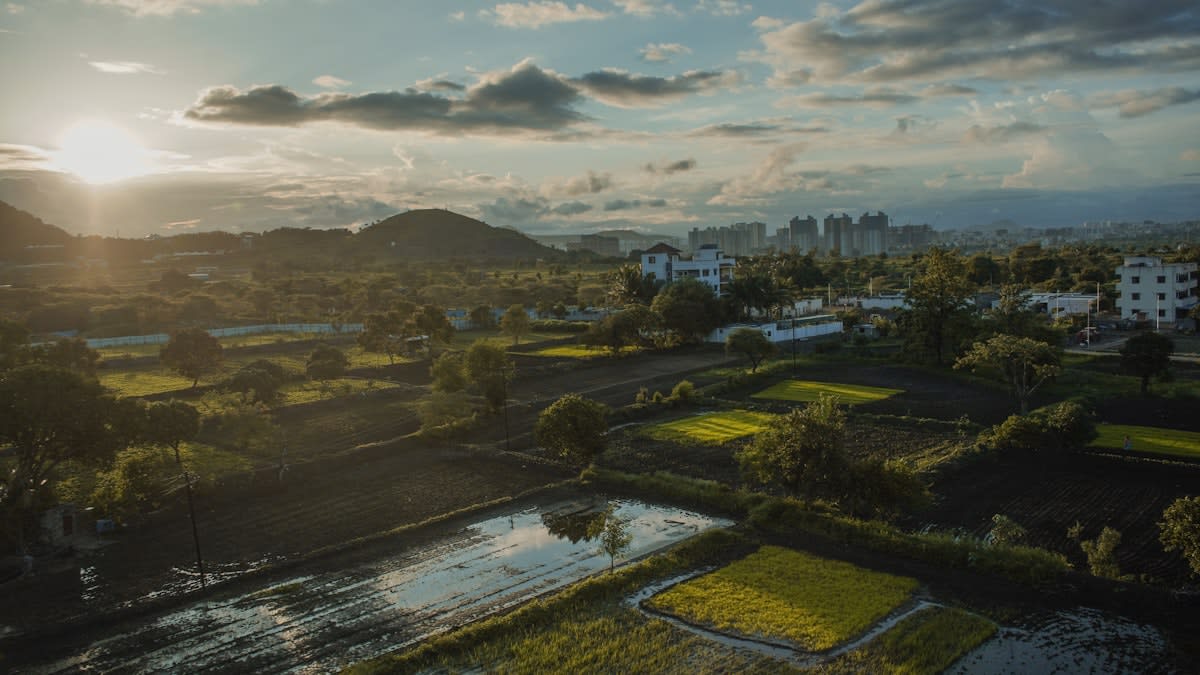
PUNE INDUSTRIAL WATER AUTONOMY SECURED
Pune's industrial hubs have successfully integrated atmospheric water generation to end chronic drought-driven production halts, mirroring a global trend toward resource localization seen in UK energy and Indian semiconductor sectors.

Circular Economy Logic Hides Budgetary Bloodshed
From the gutting of UK energy projects to the rejection of PMOS treatments, the global obsession with circularity is often a convenient mask for brutal cost-cutting and resource reallocation.
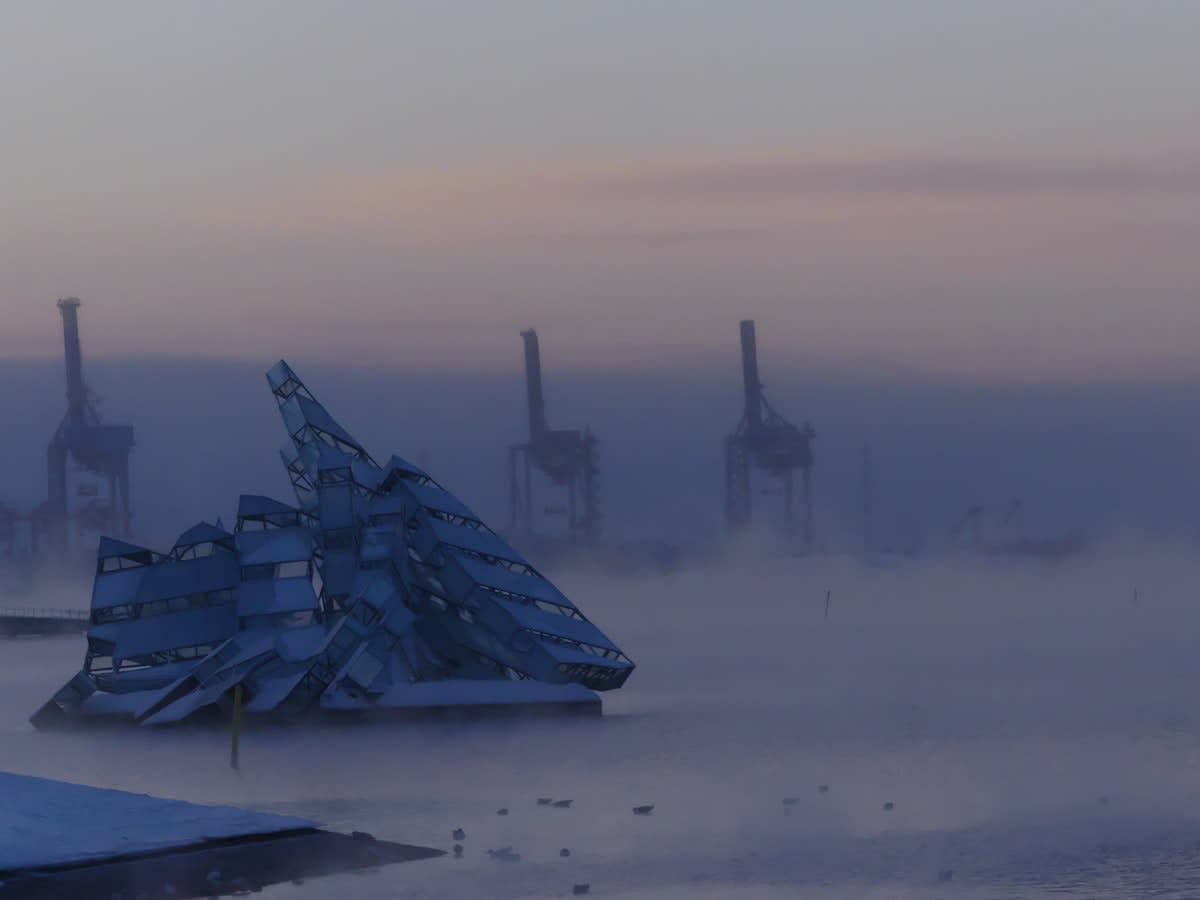
Who Owns the Retrieval Loop?
From 70,000-square-foot thrift stores in Seattle to JAXA-funded rocket recovery vessels in Japan, the global economy is abandoning the frontier to scavenge its own ruins.

Waste Management Is a Power Struggle
A cynical examination of how megacities balance the myth of circularity with the brutal necessity of final sinks, from Spokane's incinerators to Jerusalem's food waste.