#digital infrastructure
Discover 21 curated intelligence briefings related to this specific topic.
The Micro-Hub Manifesto: Why the Urban Monopoly is Collapsing
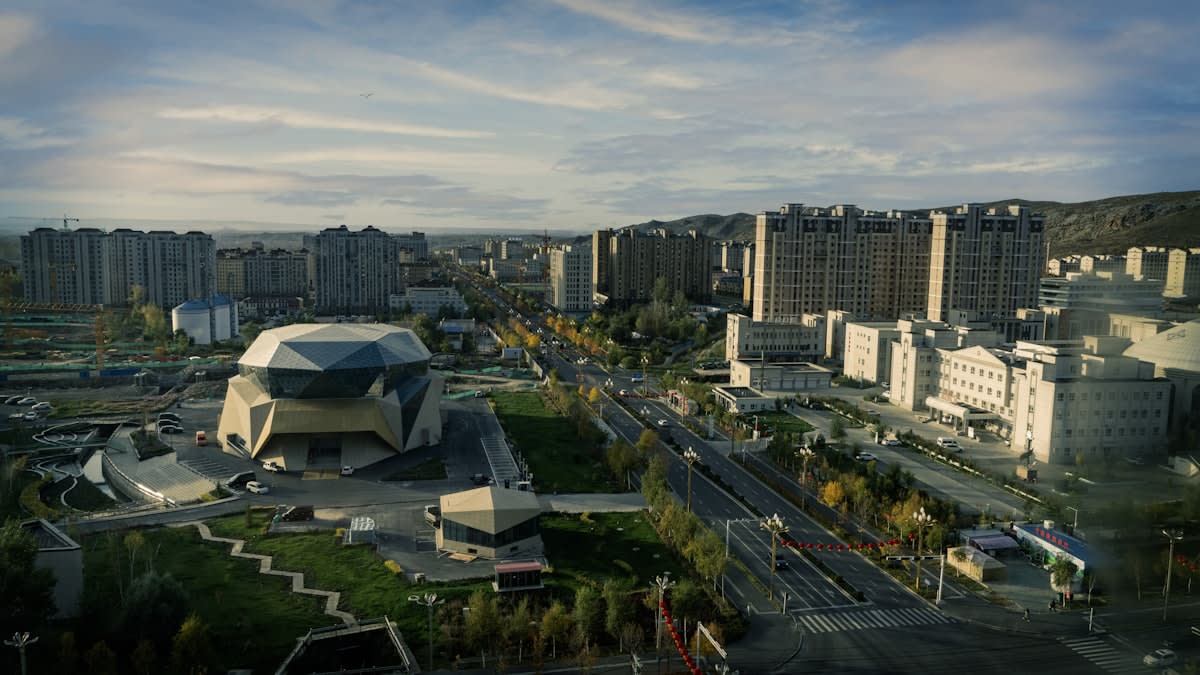
The exodus from megacities isn't a retreat to the wilderness; it is a strategic migration toward 'micro-hubs.' We are witnessing the end of the agglomeration era and the birth of a networked global economy where talent dictates location, not the other way around.

The Truth Protocol: Engineering Trust in the Age of Synthetic Reality
As synthetic media renders the human eye obsolete as a judge of truth, a quiet revolution is happening in camera sensors and software kernels. The shift from 'seeing is believing' to 'verifying the hash' is no longer theoretical—it is being deployed in real-time across global newsrooms and hardware labs.

The Capital Mirage: Redefining Value in the Age of Institutional Real Estate
High prices no longer signal high quality of life. Explore the systemic shift where global capital transforms cities into financial instruments, leaving a trail of uninhabitable luxury and a desperate need for green, smart adaptation.

The Attention Aristocracy: Why Cognitive Patience is the Ultimate Modern Luxury
Speed has become a commodity. As the world accelerates, the capacity for deep, slow thought—Cognitive Patience—emerges as the definitive status symbol for the global elite, shifting the metric of power from access to the ability to disconnect.

The Great Patent Cliff: A New Era of Pharmaceutical Accessibility
The pharmaceutical landscape is hitting a critical inflection point. With billions in revenue at risk as blockbuster patents expire, we are witnessing a systemic shift in how medicine is priced and distributed globally.
The Invisible Empire: The Great Wealth Pivot to Digital Infrastructure
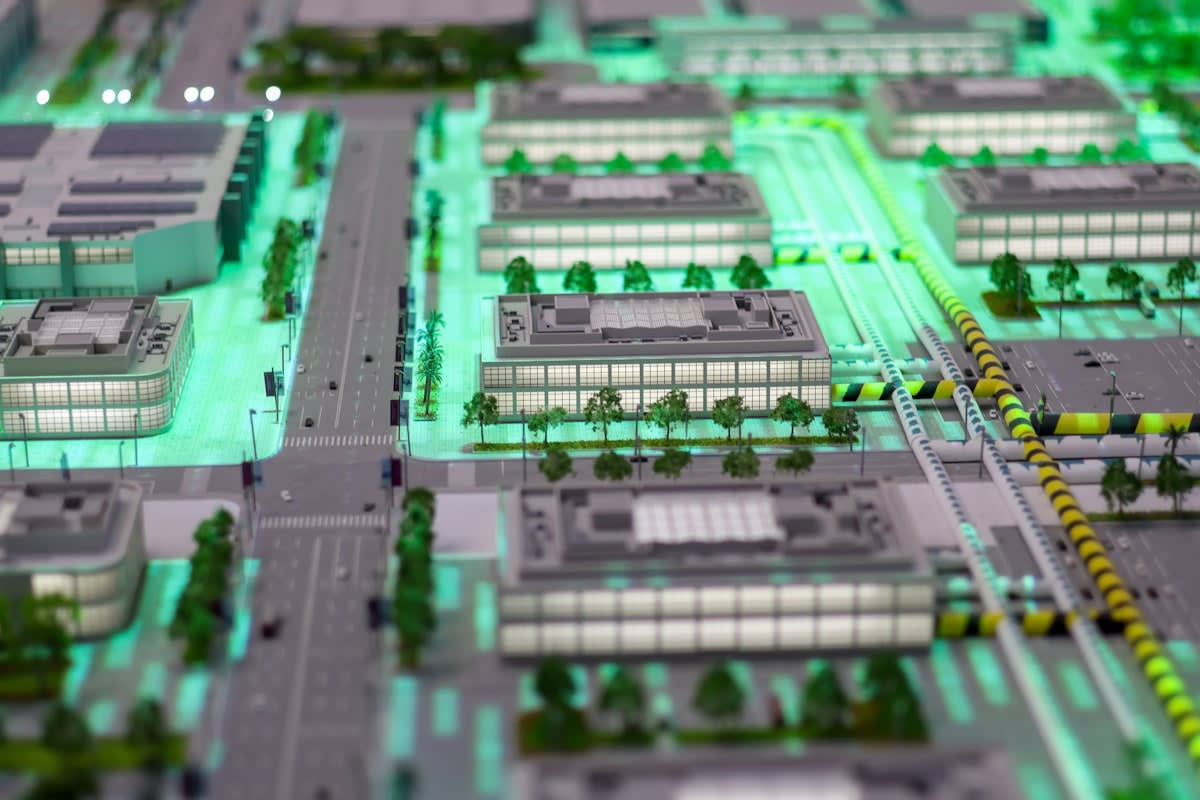
Institutional capital is abandoning traditional real estate for the high-yield, invisible plumbing of the AI age. This month's data reveals a massive migration toward inference chips, tokenized securities, and hyperscale data centers.

Physical Assets Demand Digital Anchors
Traditional art provenance relies on a precarious chain of exhibition records and literature. By integrating the custodial vaulting and on-chain representation models used in modern collectibles, collectors can eliminate the authentication gaps that plague the physical art market.

Oceania Bets on the Biological Ledger
While global attention remains fixed on geopolitical funding shifts in Europe, Oceania is quietly integrating precision biomarker science and physician-directed clinical intelligence to redefine medical recordkeeping.

Verified Origins Command the Luxury Premium
Southeast Asian luxury exporters are abandoning total opacity in favor of curated transparency, leveraging selective verification to justify steep price hikes in global markets.

Money Now Predicts Power in the East
From Warsaw to Bucharest, the traditional political poll is dying. In its place, decentralized prediction markets are providing a more accurate, real-time map of voter intent by replacing social desirability with financial skin in the game.

The Synthesis Engine is Flattening the Past
Generative search replaces the messy, nuanced exploration of history with a polished, singular consensus. This shift from retrieval to synthesis creates a lossy compression of human record, where the most probable answer replaces the most accurate one.

Dialectal Nuance Now Drives Conversion
Generic localization is a liability. This guide details the technical implementation of multi-dialect algorithmic precision to scale hyper-local content without sacrificing linguistic authenticity.

Engineering the Ionic Displacement of Arid Soil Salinity
Moving beyond superficial irrigation, this protocol details the chemical and physical intervention required to displace sodium ions and restore soil structure in high-salinity environments.

The Land-Use Paradox Ends With the Solar Harvest
As traditional farming clashes with the demand for renewable energy, a new blueprint is emerging from Italy to the GCC. By merging solar infrastructure with crop production, regions are solving the evapotranspiration crisis while securing energy independence.

Stop Hoping for Rain
As extreme heatwaves devastate traditional crops in Morocco and drought cripples Ghor province, a global shift toward agrivoltaics, precision irrigation, and controlled environments is decoupling food production from unpredictable weather patterns.

The Luxury of Absence: Why the Global Elite are Trading Visibility for Digital Silence
In an era of hyper-connectivity and AI-driven visibility, the ultimate status symbol is no longer access, but exclusion. From the strategic retreat of Gen Z to NASA's extreme isolation experiments, the global elite are redefining wealth as the ability to be unreachable.

The Human-Scale Paradox: Why Modern Cities Are Quietly Erasing the Psychology of Belonging
From the ruins of Byzantine Egypt to the high-density hubs of Singapore, a systemic gap is opening between how the human brain evolved to socialize and how modern urban environments force us to exist. We are living in an evolutionary mismatch that transforms belonging into a nonstop contest.

Private Power Grids Insulate AI Infrastructure
As India's AI-ready workforce drives the rise of Global Capability Centres, a parallel energy infrastructure is emerging. By utilizing behind-the-meter power generation, the new middle class is effectively decoupling from the instability of state-run grids, trading public reliability for private fossil-fuel autonomy.

Hard Steel Outlasts Soft Code
Forget the software hype. Real industrial AI depends on Intel Core Ultra silicon that doesn't melt and humanoid robots that can actually sort parts in a Spartanburg plant without seizing up.
Life Is Now A Programmable Commodity
The creation of SpudCell and the rise of regional CDMOs in Poland and Nigeria signal a new era where biological life is treated as an industrial input rather than a mystery.

Physical Assets Now Dictate Geopolitical Leverage
From subsea cables in the Indian Ocean to wastewater plants in Yongin, global powers are treating infrastructure as a national security asset rather than a commercial utility.