#industrial scaling
Discover 15 curated intelligence briefings related to this specific topic.

The Cocoa Reset: Why the End of Cheap Chocolate is an Economic Necessity
The global cocoa market is not merely experiencing a price shock; it is undergoing a fundamental structural collapse. A strategic analysis reveals that the transition from volume-driven extraction to value-driven resilience is the only path forward for an industry plagued by ecological neglect and systemic poverty.

The $10 Pivot: How Nano-Credit is Rewiring West Africa’s Informal Economy
While global finance focuses on billion-dollar pivots, a quieter revolution is happening in the markets of Lagos, Accra, and Dakar. Nano-loans under $10 are replacing traditional credit, stabilizing daily trade, and redefining financial resilience.
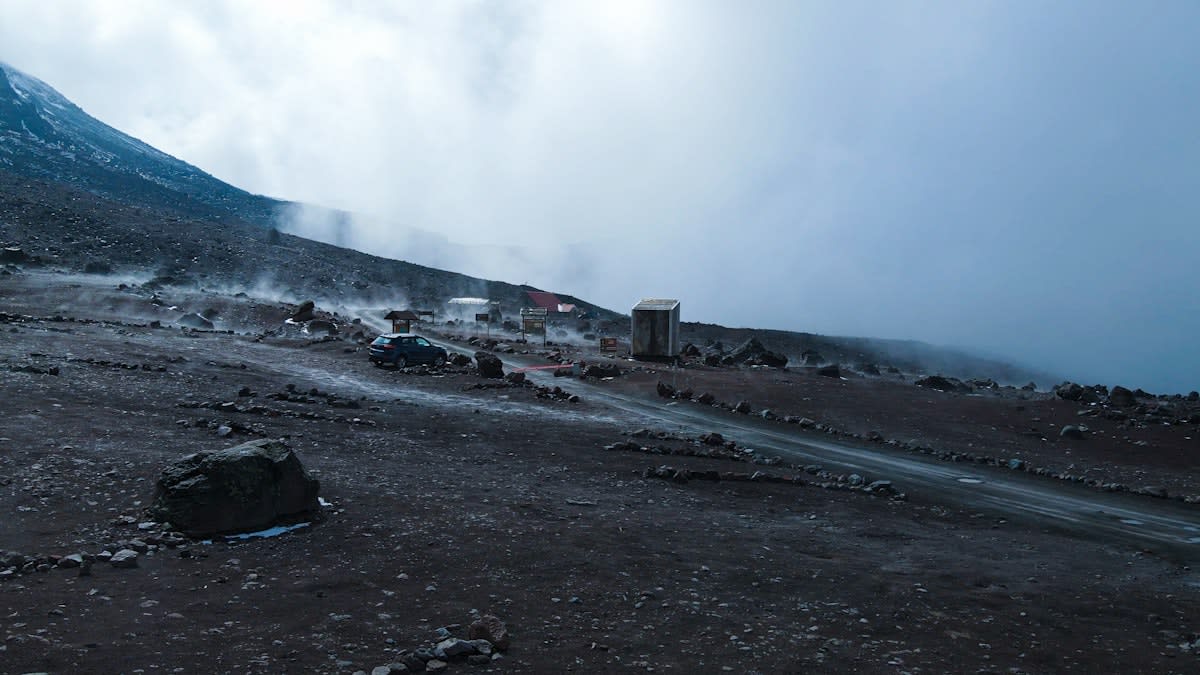
The Resource Fortress: The New Era of Mineral Sovereignty
A fundamental shift in global economics is underway as resource-rich nations move from raw ore exports to mandatory domestic processing. This new wave of mineral nationalism is forcing a total recalibration of the energy transition supply chain.

The Death of the Corporate Anchor: The Strategic Ascent of the Portfolio Professional
The traditional single-employer career is no longer a safe harbor; it is a concentrated risk. From the FIRE movement in the West to the exploding gig internet workforce in India, a new class of 'Portfolio Professionals' is treating their career as a diversified asset class.

Biological Friction Costs Billions
From the parasitic devastation of Mexican cattle herds to the productivity collapse during UK heatwaves, biological and environmental interference acts as a hidden tax on global GDP.

Continuous Bioprocessing Ends the Pharmacy Lottery
The pharmaceutical industry is clinging to a century-old batch manufacturing model that invites catastrophic failure. Continuous bioprocessing offers a systemic alternative that replaces precarious mega-plants with agile, steady-state production.

Oceania's Grid Cannot Survive on Sunshine Alone
While solar and wind dominate the conversation in the Pacific, the physics of baseload power demand a more dense solution. Small Modular Reactors (SMRs) provide the stability required for industrial growth and remote electrification without the catastrophic scale of traditional nuclear plants.

Auditing AI for Bias Requires a Forensic Mindset
Most AI audits fail because they treat fairness as a static metric rather than a dynamic failure mode. This guide outlines a rigorous, forensic approach to detecting and mitigating algorithmic bias through adversarial testing and data provenance.

Dirt And Dead Batteries Kill AI Health
A practitioner's guide to deploying AI agents where the grid is a suggestion and the dust is an enemy. Forget the cloud; focus on the capacitors.
State Capital Now Owns The Intelligence Layer
While Sam Altman proposes public wealth funds for citizens, Abu Dhabi's MGX has already deployed $49 billion to secure the AI stack. This is not innovation; it is the state-sponsored annexation of the next industrial era.

Mining Supremacy Dictates Battery Dominance
Industry leaders from CATL to LG Energy Solution are abandoning processing delusions to secure raw dirt and diversify end-use applications.

Capital Flees the Terrestrial Middle
From $17.3 billion roofing acquisitions to 100,000 orbital data centers, capital is abandoning consolidated terrestrial infrastructure for fragmented niches and space-based assets.
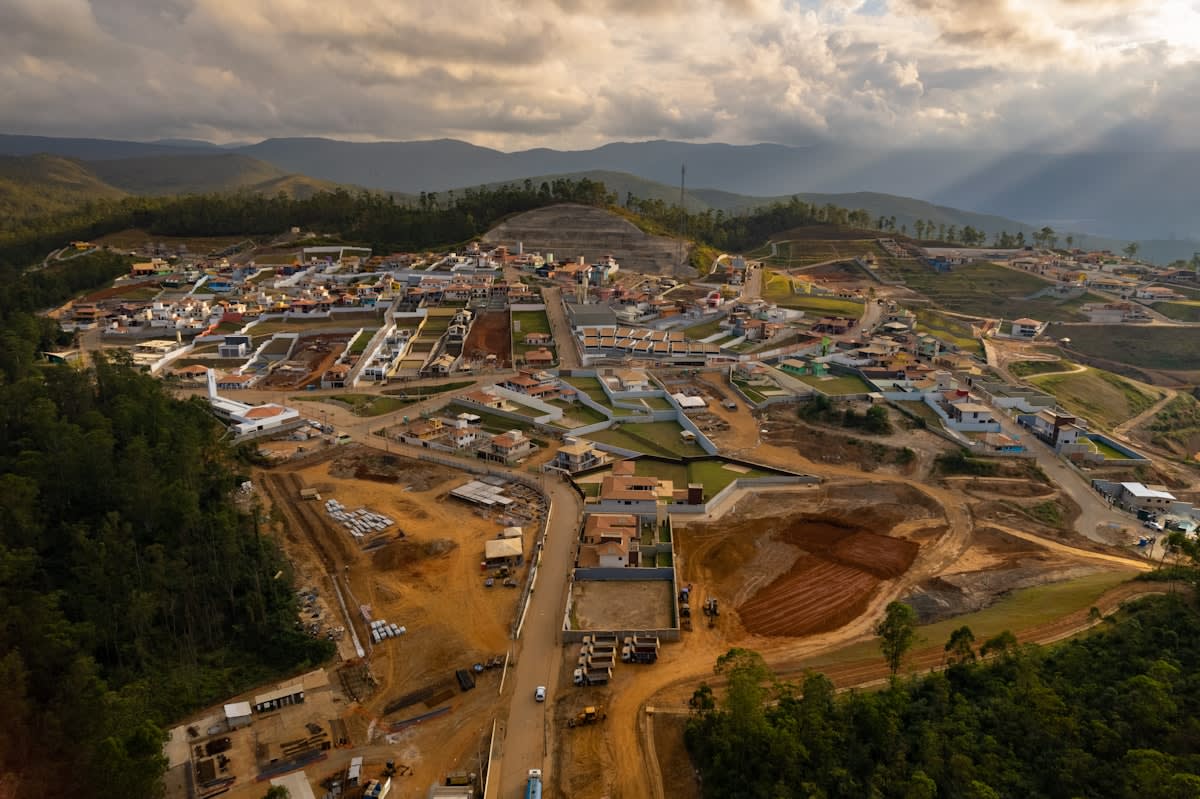
Does Brazil Actually Scale?
Industrial expansion in Brazil and the US is not a growth strategy; it is a war of attrition against bureaucracy and supply chain fragility. This guide outlines the execution requirements for surviving the transition from capital injection to operational reality.

Why Fragility Breeds Efficiency?
From the toxic landscapes of bisphenol-A degradation to the currency crises of Argentina, systemic failure is the only reliable catalyst for genuine industrial precision.

Industrial Scaling Masks Foundational Decay
From Lagos refineries to Baltic shipping, the drive for scale ignores the systemic dead ends in nuclear waste and public health.