#kessler syndrome
Discover 20 curated intelligence briefings related to this specific topic.

The Invisible Wall: Why Orbital Sustainability is Now the Most Critical Bottleneck in Global Connectivity
As mega-constellations saturate Low Earth Orbit, the industry is shifting from a race of deployment to a struggle for sustainability. We examine the regulatory pivots and technical hurdles turning orbital debris into the ultimate bottleneck for global connectivity.

The Orbital Bottleneck: Why the Internet's Future is Hanging by a Thread of Space Junk
The global internet is migrating from the ocean floor to the thermosphere. But as we launch mega-constellations, we are treating Low Earth Orbit like an infinite landfill, risking a systemic collapse that could blind our digital civilization.

The High-Stakes Sweep: Why Orbital Debris Removal is the New Strategic Frontier
The conversation around space junk has shifted from ecological concern to a critical security imperative. As mega-constellations crowd the skies, the ability to remove debris is no longer just about sustainability—it is about the strategic capacity to protect sovereign assets in a dual-use environment.

The Great Orbital Vacuum: Why This Month Redefines the Space Debris Race
The era of 'launch and forget' is officially dead. New regulatory hammers and the arrival of active debris removal hardware mark a pivot from passive observation to aggressive orbital sanitation.

The Orbital Janitors: Engineering the Future of Space Sustainability
The shift from passive monitoring to active debris removal (ADR) marks a critical inflection point in space exploration. We examine the transition from the 'wait-and-see' era to a period of aggressive, commercialized orbital maintenance.

The Great Orbital Cleanup: Transforming Geostationary Chaos into a New Space Economy
The race to clean Geostationary Orbit (GEO) is no longer just about environmental stewardship; it is a high-stakes game of security, science, and billions of dollars in emerging market opportunities.

Vacuuming the Void: The New Sovereignty Race in Low Earth Orbit
This month marks a pivotal shift in space operations. We are moving beyond the era of passive observation into an age of active orbital reclamation, where the ability to clear debris is becoming the ultimate tool for space sovereignty.

The Great Orbital Scrub: Cleaning the High Ground
The transition from theoretical debris mitigation to active orbital removal is accelerating. This month's breakthroughs in magnetic capture and regulatory shifts signal a pivot toward a sustainable space economy.

Your Balance Sheet Is Only As Stable As Low Earth Orbit
As private orbital capabilities explode and national space economies target multi-billion dollar valuations, the accumulation of orbital debris is no longer a scientific curiosity—it is a systemic financial liability that will redefine sovereign credit ratings.

Three Hundred Fifty-Five Thousand Near Misses Is A Financial Warning
With Starlink executing 355,000 collision-avoidance maneuvers in a single year and total operational spacecraft jumping to 16,000, the cost of maintaining LEO assets is becoming unsustainable without active debris removal.

Orbital Overcrowding Is a Financial Time Bomb
As Wall Street pushes SpaceX toward a $3 trillion valuation, a collision of unproven laser meshes, solar storm underestimations, and the arrival of massive mirror constellations threatens to turn LEO into a graveyard of stranded assets.

Orbital Trash Determines the Next Global Monopoly
The approval of massive mirror constellations signals a new era where the ability to clean—or pollute—low Earth orbit decides who owns the infrastructure of the 21st century.

Orbital Fragility Threatens the Global Ledger
As the world pours billions into AI debt and cloud modernization, a renewed focus on nuclear anti-satellite weapons risks triggering a debris cascade that would blind the logistics and financial systems underpinning global trade.

Orbital Congestion Threatens Continental Security
Control over Low-Earth Orbit is no longer a commercial luxury; it is the new foundation of national sovereignty. As commercial constellations expand toward 100,000 satellites, the risk of orbital collision and supply chain fragility creates a precarious dependency for Eastern European security.

Orbital Sovereignty Requires Active Debris Removal
As hidden swarms of debris threaten the most valuable orbits in space, the global strategy is shifting from simple tracking to active, passive-capture removal systems and whole-of-government sustainability mandates.

Orbit Is Now A Statistical Minefield
With Starlink executing 355,000 collision avoidance maneuvers in a single year, the math of orbital sustainability is failing. As SpaceX eyes a 100,000-satellite fleet, the probability of a catastrophic collision moves from theoretical to inevitable.
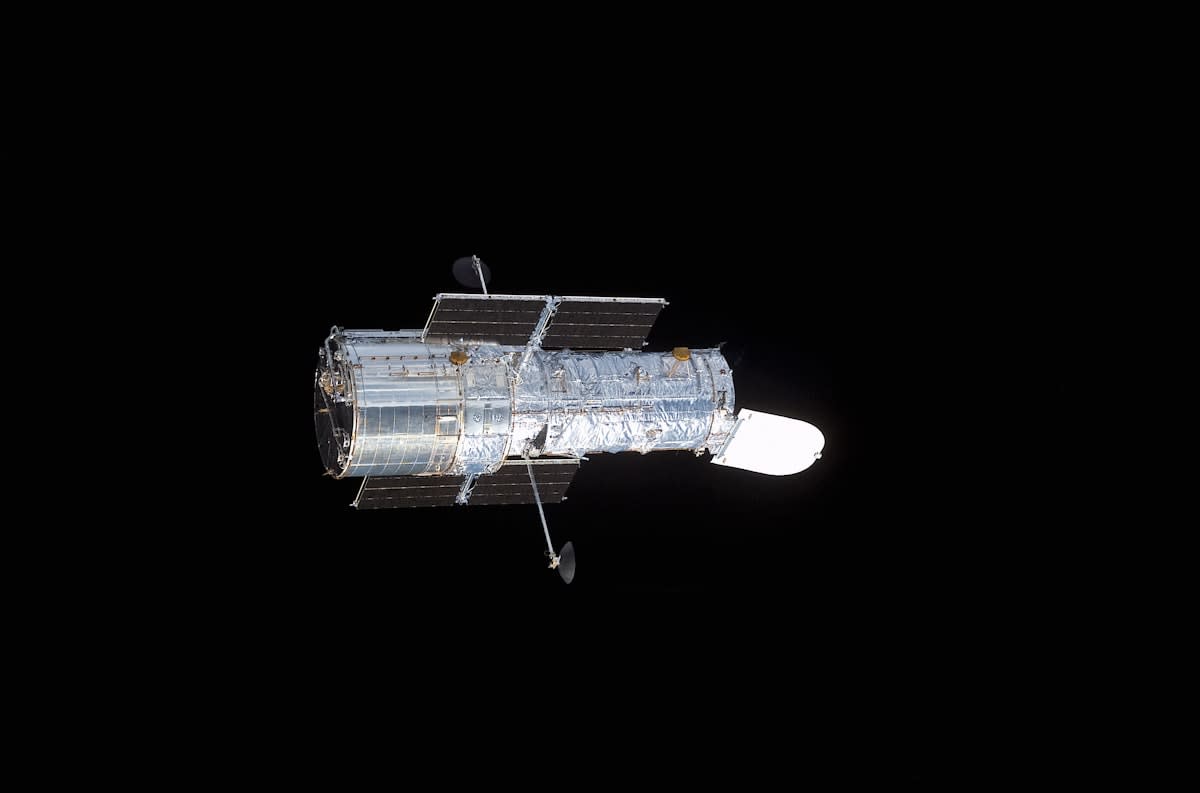
Oceania Claims the Orbital Vacuum
As low Earth orbit transforms into a congested graveyard, the strategic investments from Australia and New Zealand in active debris removal are no longer just environmental efforts—they are economic imperatives for the global satellite industry.

Low Earth Orbit Is Running Out Of Room
As mega-constellations flood the low Earth orbit, the margin for error shrinks. We examine the delta in orbital traffic over the last year and the technical failures of current tracking systems.

Latin American Space Agencies Scrap Old Playbooks as Orbit Fills Up
The transition from orbital abundance to scarcity is forcing Brazil, Argentina, and Colombia to abandon legacy space treaties in favor of aggressive sovereignty frameworks to protect their satellite assets.

We Are Trading Orbital Stability for Lower Launch Margins
As the price per kilogram to reach orbit collapses, the barrier to entry for satellite constellations has vanished, leaving orbital safety as an afterthought in the race for global connectivity.