#sponge city
Discover 5 curated intelligence briefings related to this specific topic.

The Subsidence Trap: Why Sinking Land is the Real Climate Catalyst
While the global narrative focuses on rising oceans, the ground beneath our largest coastal hubs is vanishing at an alarming rate. This is not merely a sea-level problem; it is a systemic land-management crisis driven by urban appetite.
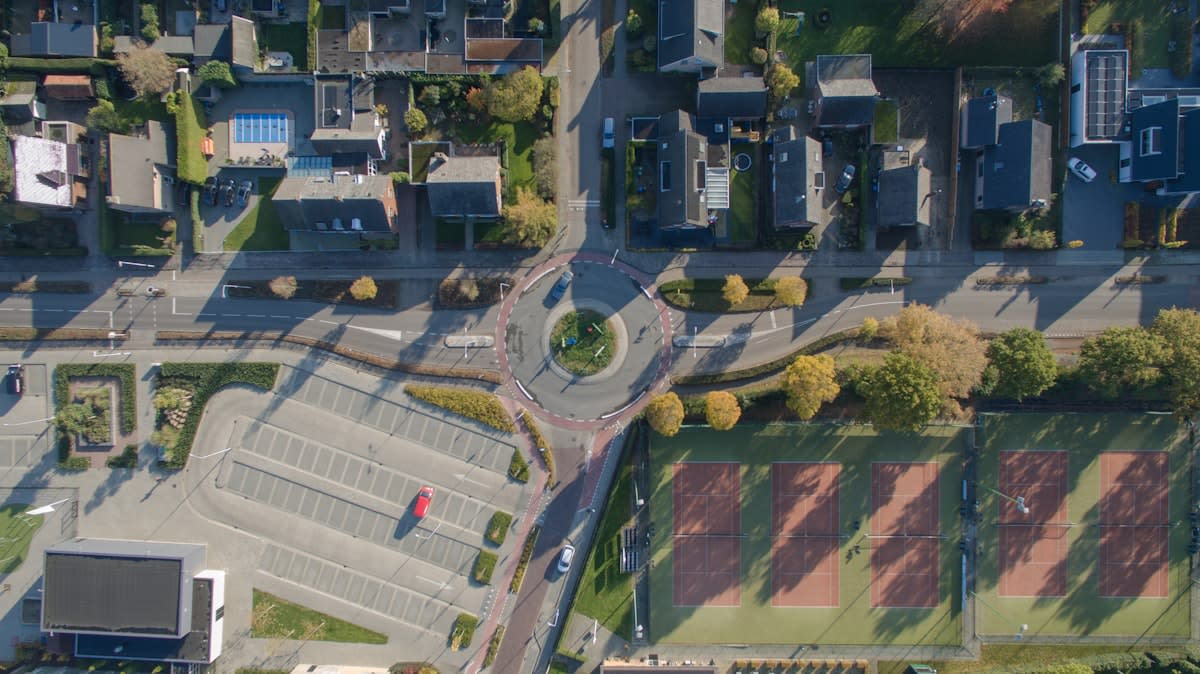
The Great Green Pivot: Why Monoculture Lawns are the New Urban Liability
The industrial lawn is a relic of 20th-century status signaling. Today, the world's most resilient cities are treating soil as critical infrastructure, replacing sterile grass with complex polycultures to combat heat and water instability.
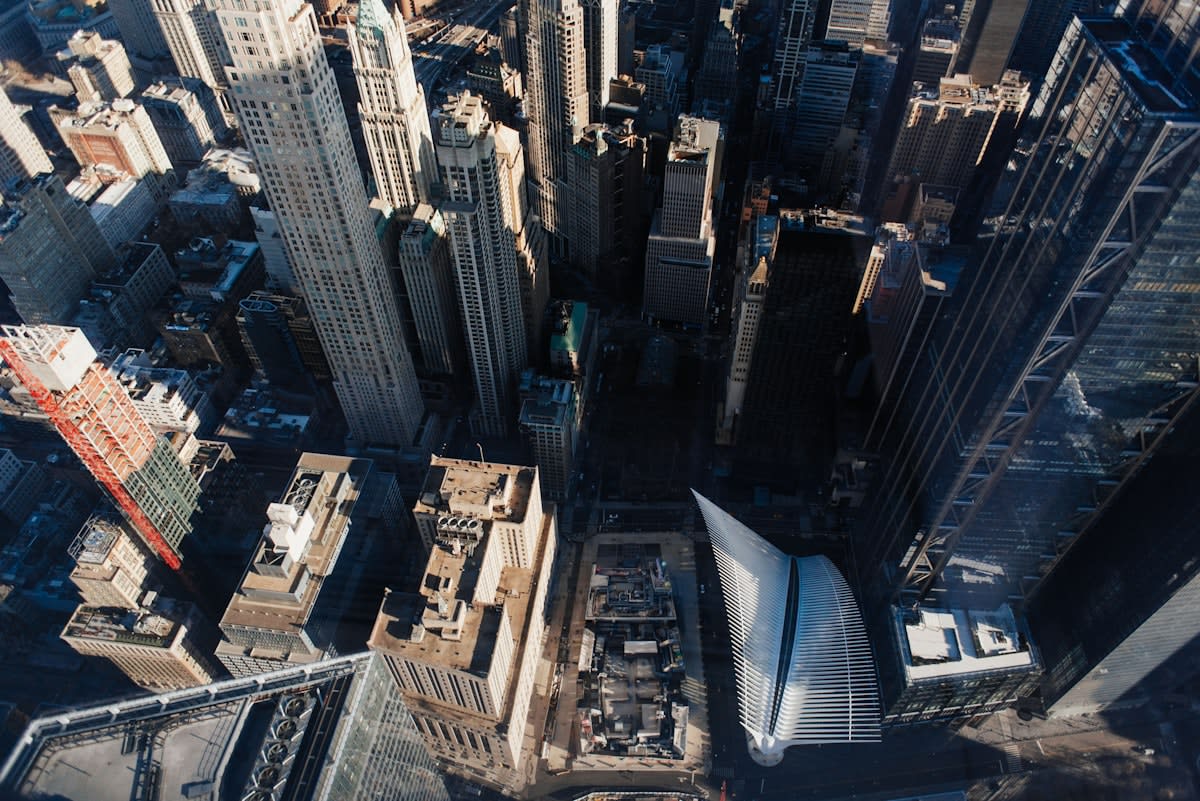
The Concrete Sponge: Why the World's Most Resilient Cities are Learning to Flood
For decades, urban planning treated water as an enemy to be expelled. Now, a systemic shift toward Sponge Cities is redefining resilience by integrating nature into the concrete grid, turning flood risks into water security.
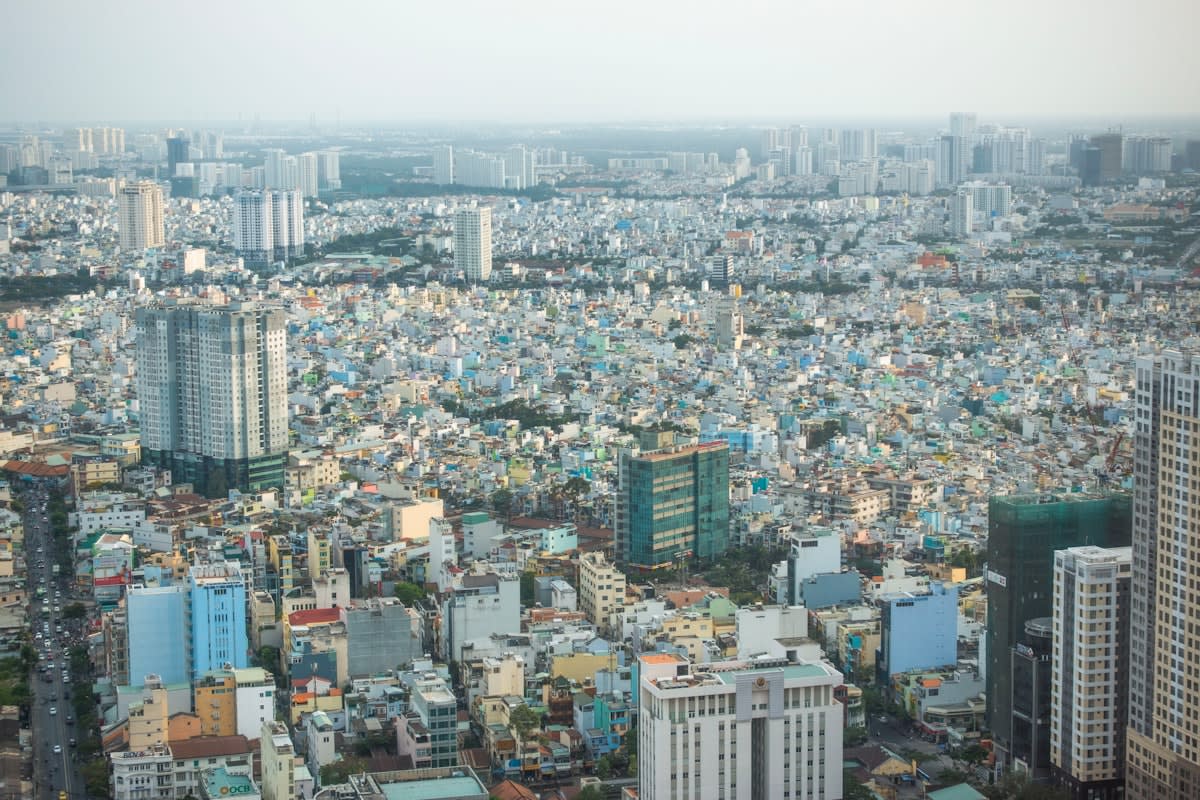
The End of the Centralized Pipe: How Vietnam’s Urban Shift is Pioneering the Future of Decentralized Hydrology
As traditional centralized water systems collapse under the weight of rapid urbanization and climatic volatility, Vietnam is pivoting toward a decentralized hydrological model that treats water as an asset rather than a waste product.

India is Abandoning the Colonial Pipe Dream
Modern India is rediscovering that the most advanced way to survive a drought is to look at how the 11th century managed it.