#tactical urbanism
Discover 7 curated intelligence briefings related to this specific topic.
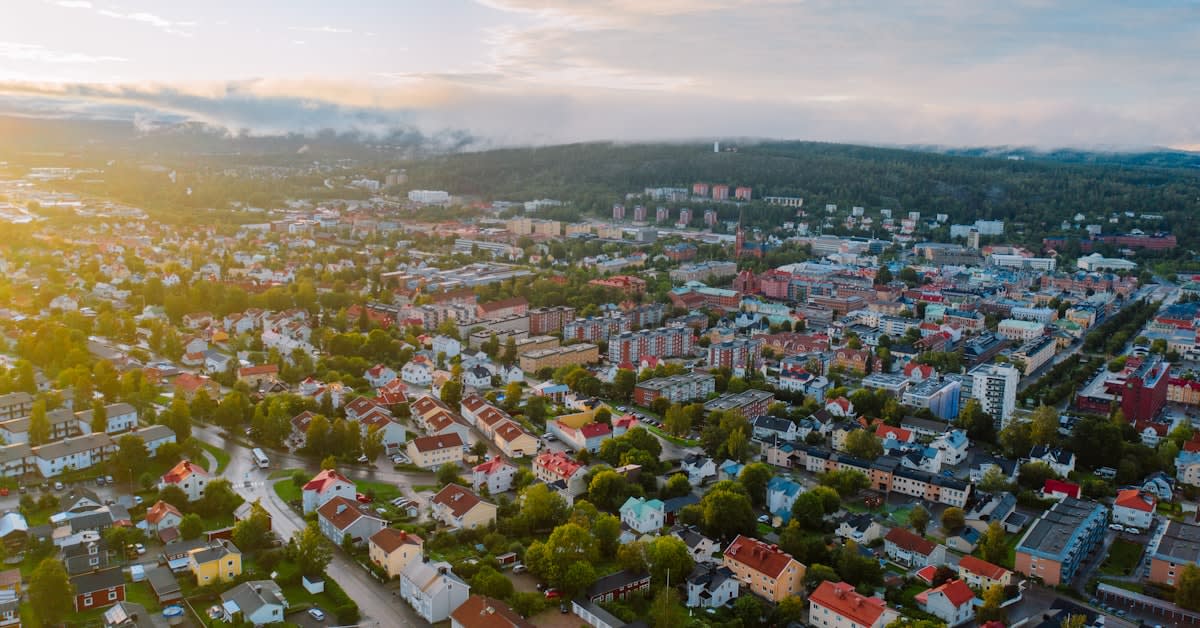
The 15-Minute City Paradox: Efficiency, Autonomy, and the New Urban Friction
Urban planners promised a utopia of proximity, but from Oxford to Paris, the 15-minute city is triggering a global political backlash. A strategic analysis of why efficiency is being mistaken for confinement.
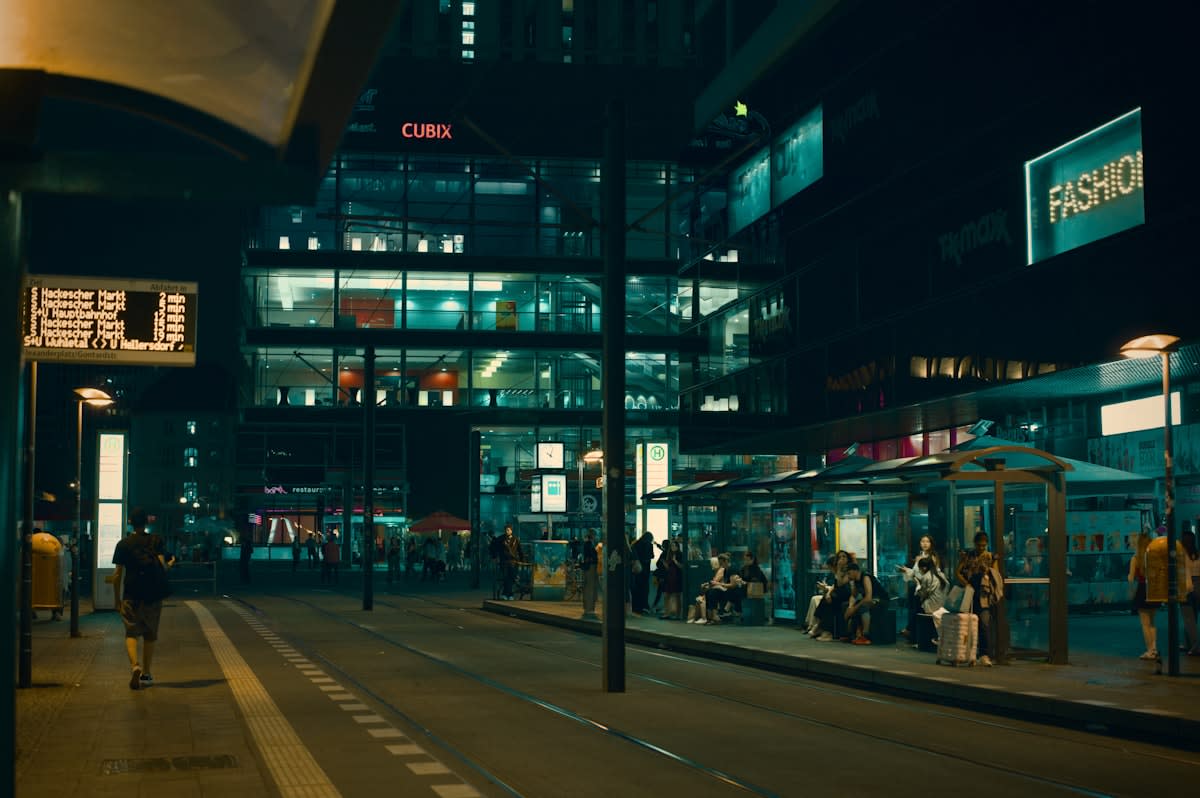
The Architecture of Belonging: Why Human-Scale Design is the Secret Weapon Against Urban Loneliness
Urban loneliness is not a social failure, but a design failure. By shifting from car-centric master planning to human-scale architecture, cities can dismantle the systemic barriers to organic human connection.
The Great Unbundling: The Rise of Governance as a Service
The traditional city-state model is fracturing. From Special Economic Zones to private charter cities, a systemic shift is occurring: governance is transforming from a geographic monopoly into a competitive service.

The Great Pedestrian Pivot: Why Global Urban Planning is Suddenly Obsessed with Regional Walkability
Urban centers are undergoing a radical spatial reorganization. The shift from car-centric design to regional walkability is no longer a boutique European experiment—it is a global economic and social imperative.
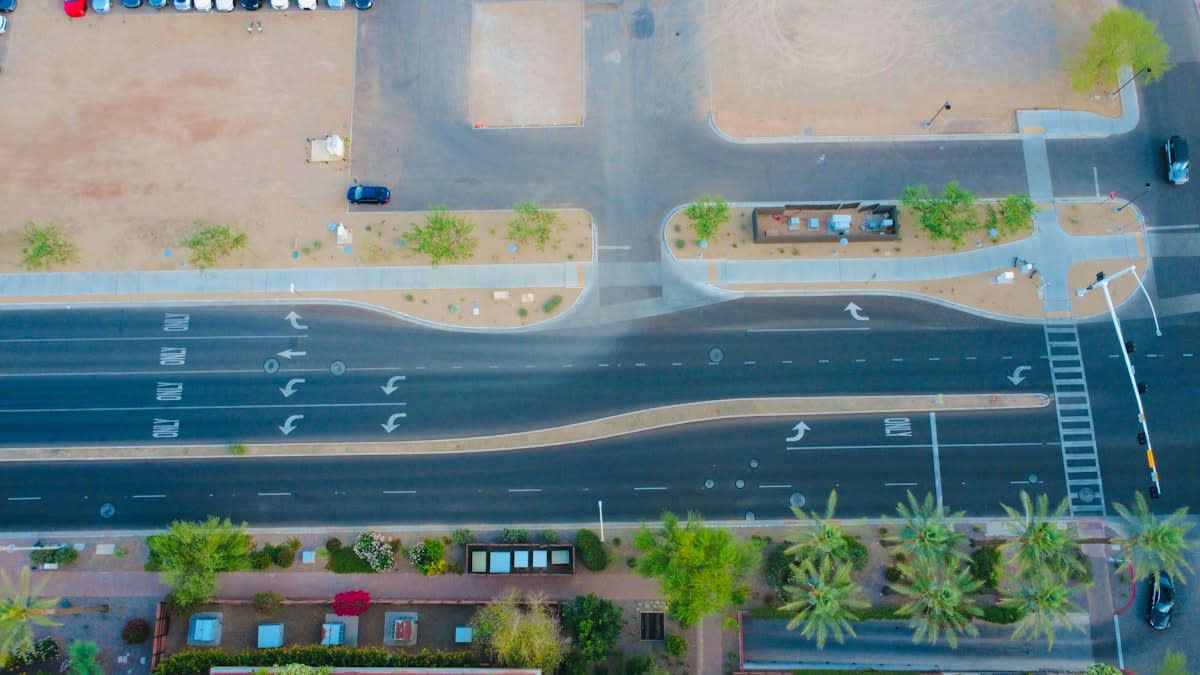
The Micro-Move: How Urban Acupuncture is Redefining the Global Metropolis
From Barcelona's Superblocks to Medellín's social urbanism, a global shift is underway. City planners are abandoning the rigid master plans of the 20th century in favor of 'Urban Acupuncture'—small, high-impact interventions that trigger systemic urban renewal.
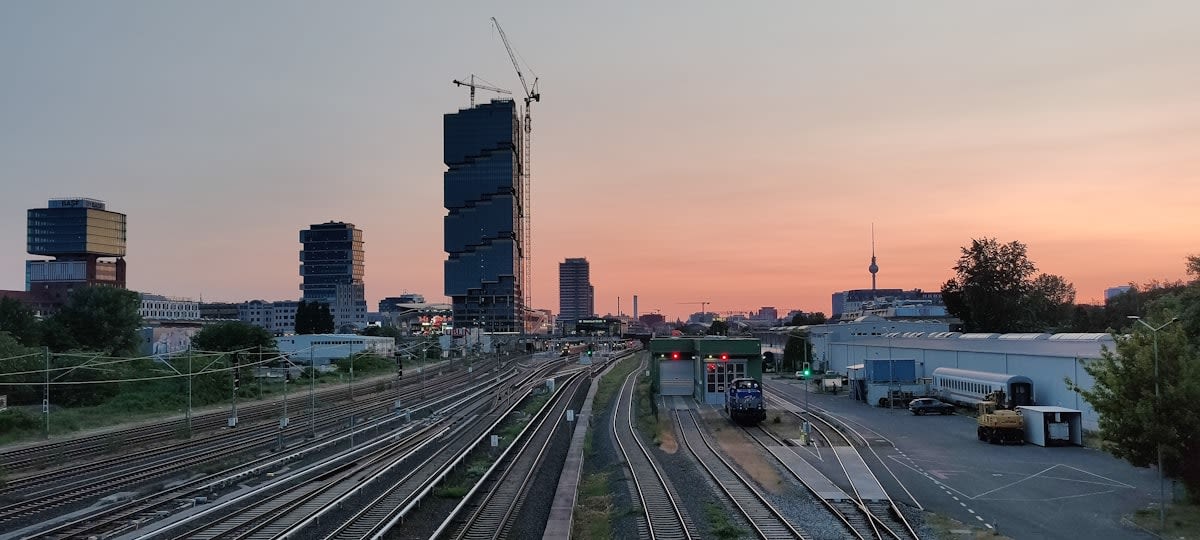
The Gauge War Defines the New East
Eastern Europe is spending billions to change the width of its tracks, signaling a permanent economic break from the East and a desperate race for European integration.
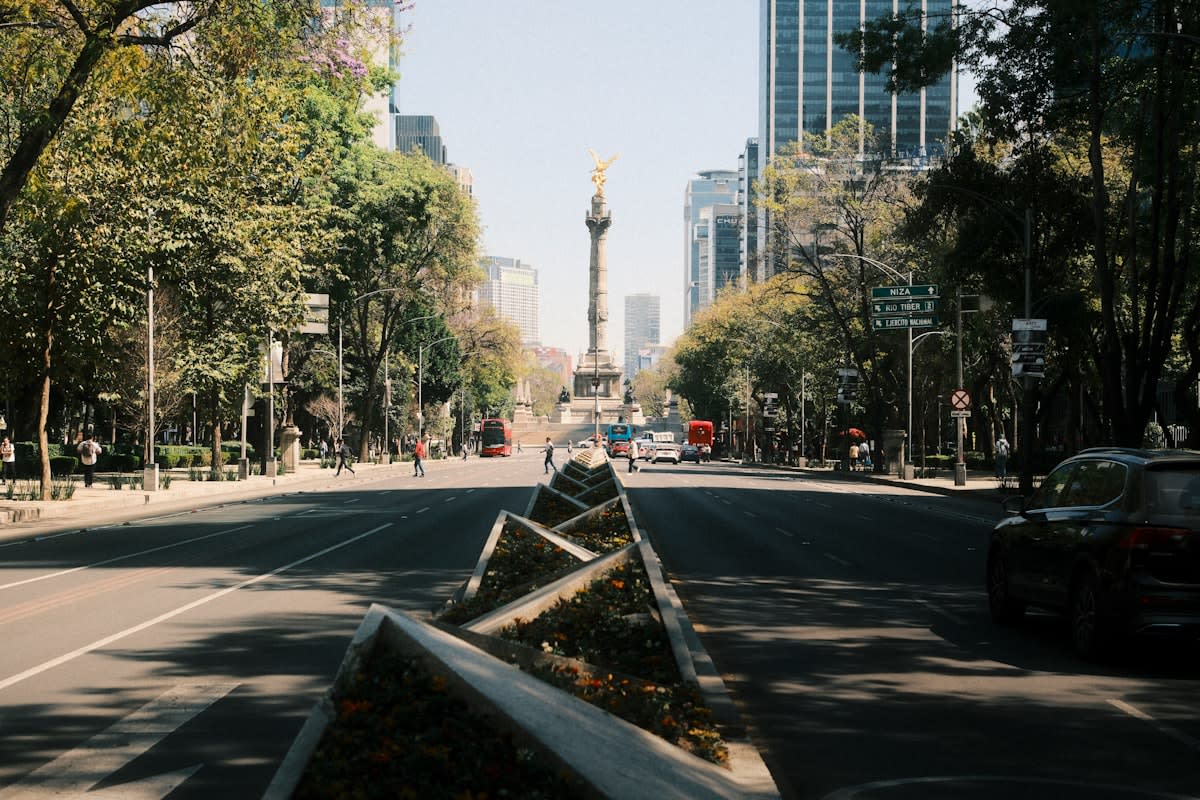
Latin American capitals are erasing their highways
From Mexico City to Bogotá, a quiet but aggressive reorientation of urban space is replacing car-centric highways with pedestrian-first corridors, driven by the failure of induced demand and a new economic logic of foot traffic.