#urban heat island effect
Discover 14 curated intelligence briefings related to this specific topic.

The Sky-High Heat Sink: Why Radiative Cooling is the New Urban Frontier
While the world clings to energy-hungry HVAC systems, a quiet revolution in materials science is allowing buildings to cool themselves by beaming heat into the vacuum of space. We explore the shift from laboratory curiosity to urban deployment.
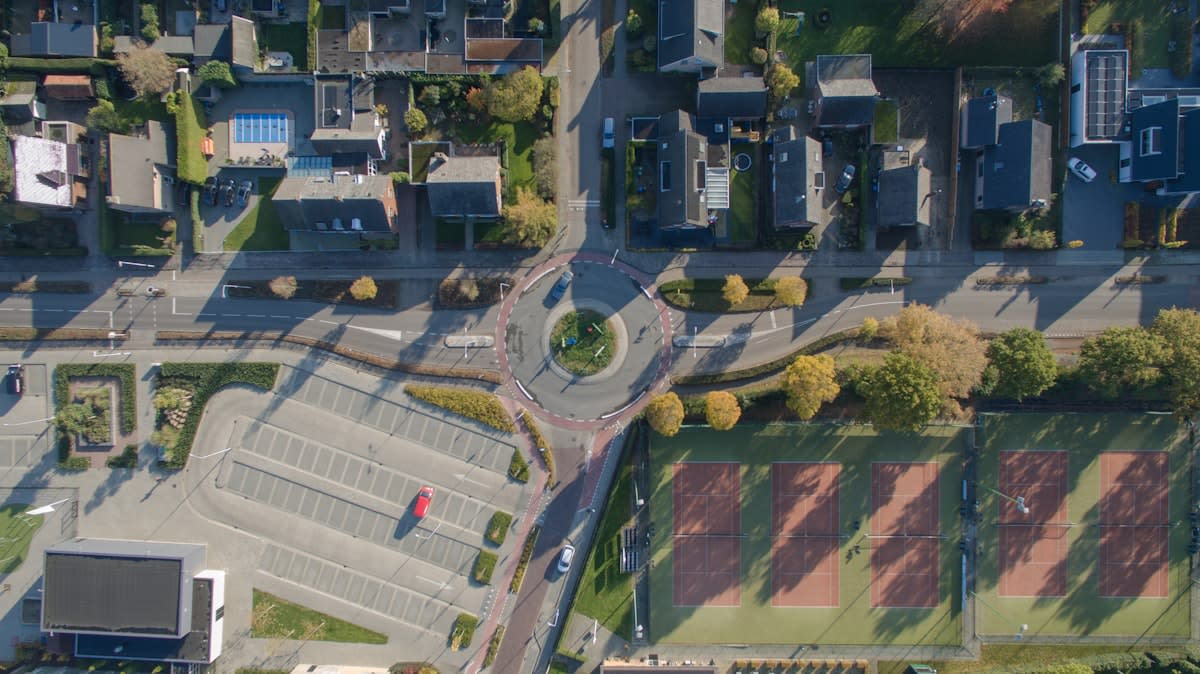
The Great Green Pivot: Why Monoculture Lawns are the New Urban Liability
The industrial lawn is a relic of 20th-century status signaling. Today, the world's most resilient cities are treating soil as critical infrastructure, replacing sterile grass with complex polycultures to combat heat and water instability.

The Soil Restoration Protocol: Engineering Living Earth in Your Backyard
Stop fighting your soil and start partnering with it. This guide breaks down the transition to conservation agriculture for the home gardener, focusing on no-till systems, cover cropping, and the biological restoration of the rhizosphere.
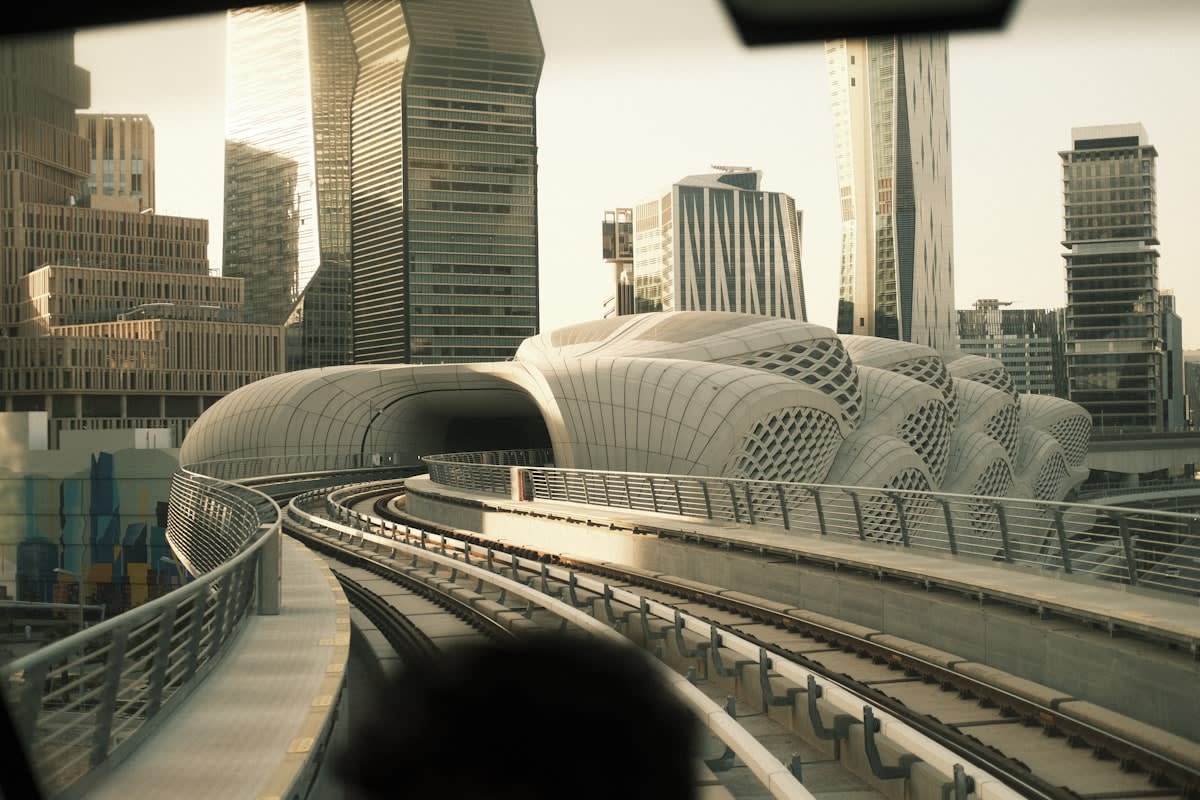
The Passive Pivot: Dismantling the Air Conditioning Hegemony
Modern cooling is a thermodynamic failure. By fighting physics with electricity, we have created a feedback loop of urban heat. The only scalable solution is a systemic return to passive architectural principles integrated with modern materials.
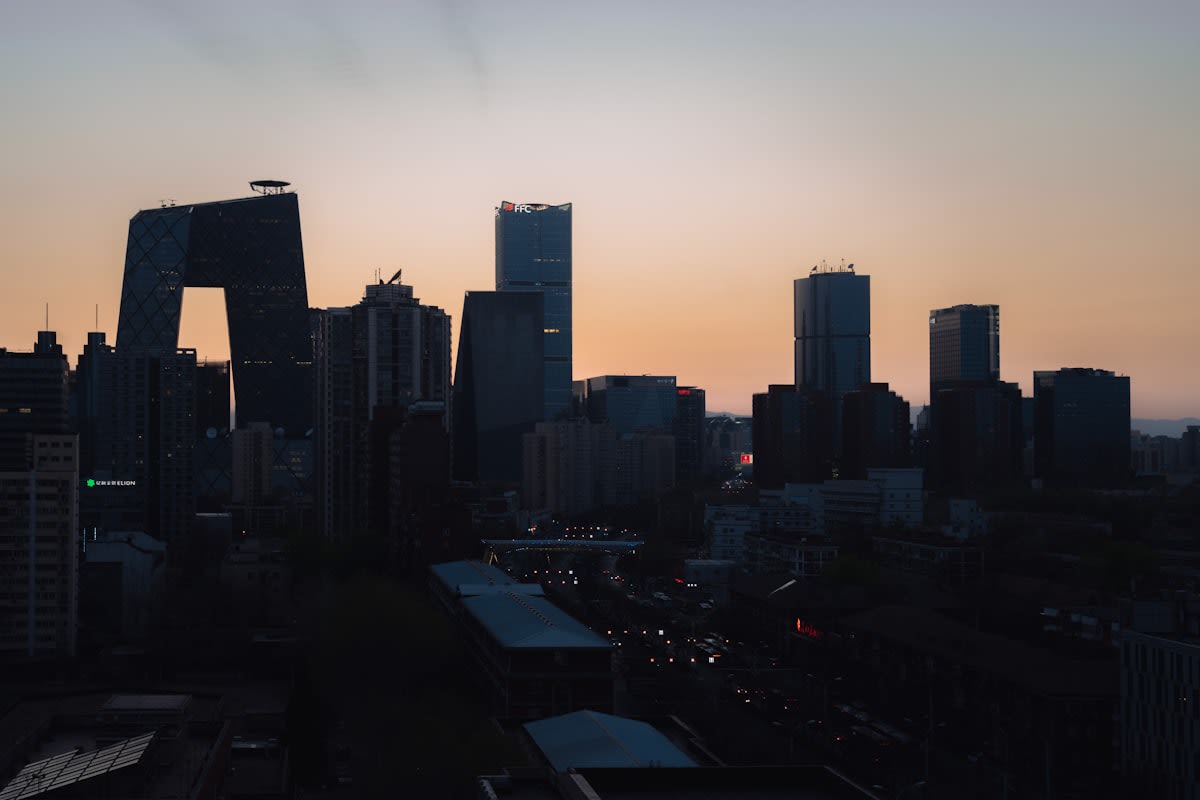
The Breathable City: How Passive Architecture is Rewriting the Urban Blueprint
As urban centers face unprecedented heat, a new wave of passive cooling strategies is transforming city planning. We examine the shift toward 'breathable' architecture, the rise of standardized cool-roof protocols in India, and the growing demand for a new breed of climate-responsive architects.
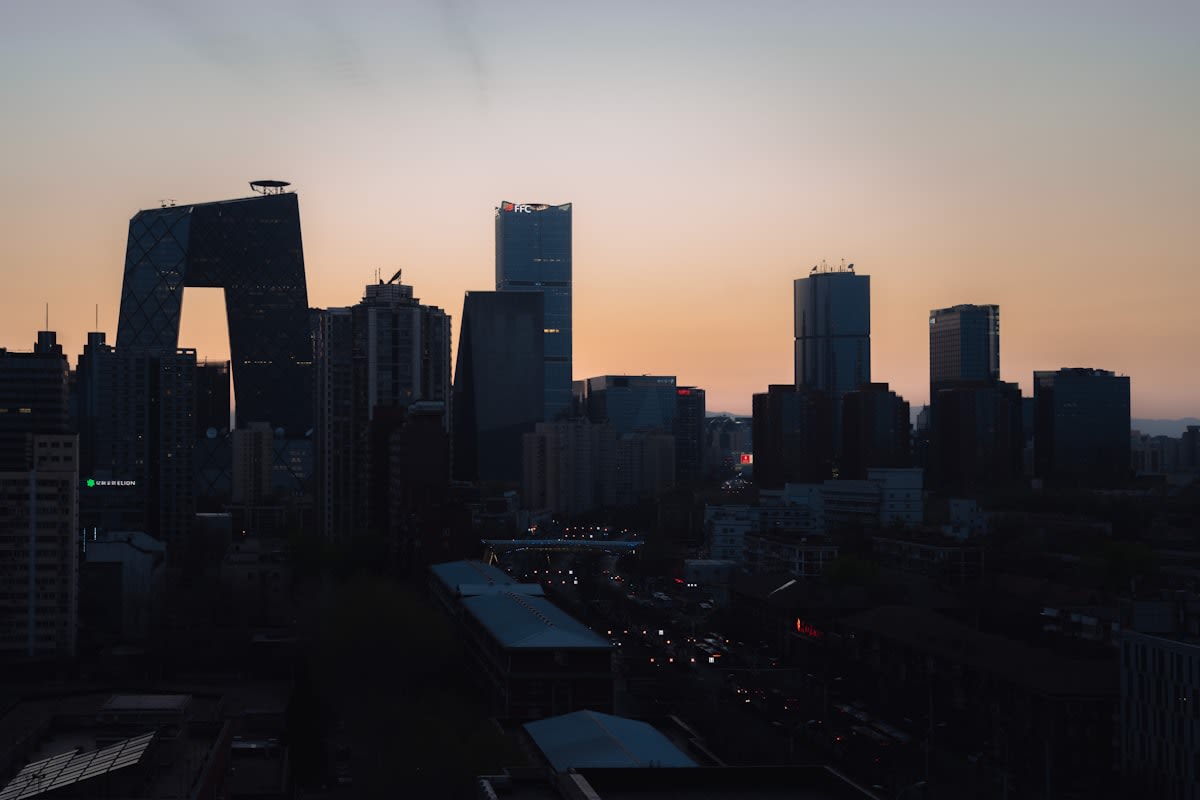
The Breathable City: The Quiet Death of the Glass Box
The era of the sealed glass skyscraper is ending. New data from August 2026 reveals a global shift toward passive cooling, district chilled-water networks, and digital twin simulations that allow cities to breathe again.

The Great Thermal Shift: Why Megacities are Abandoning the Window Unit
Global megacities are pivoting away from individual air conditioning units toward massive district cooling networks. This systemic shift reduces energy consumption by up to 40% and tackles the urban heat island effect by removing millions of heat-dumping compressors from city streets.
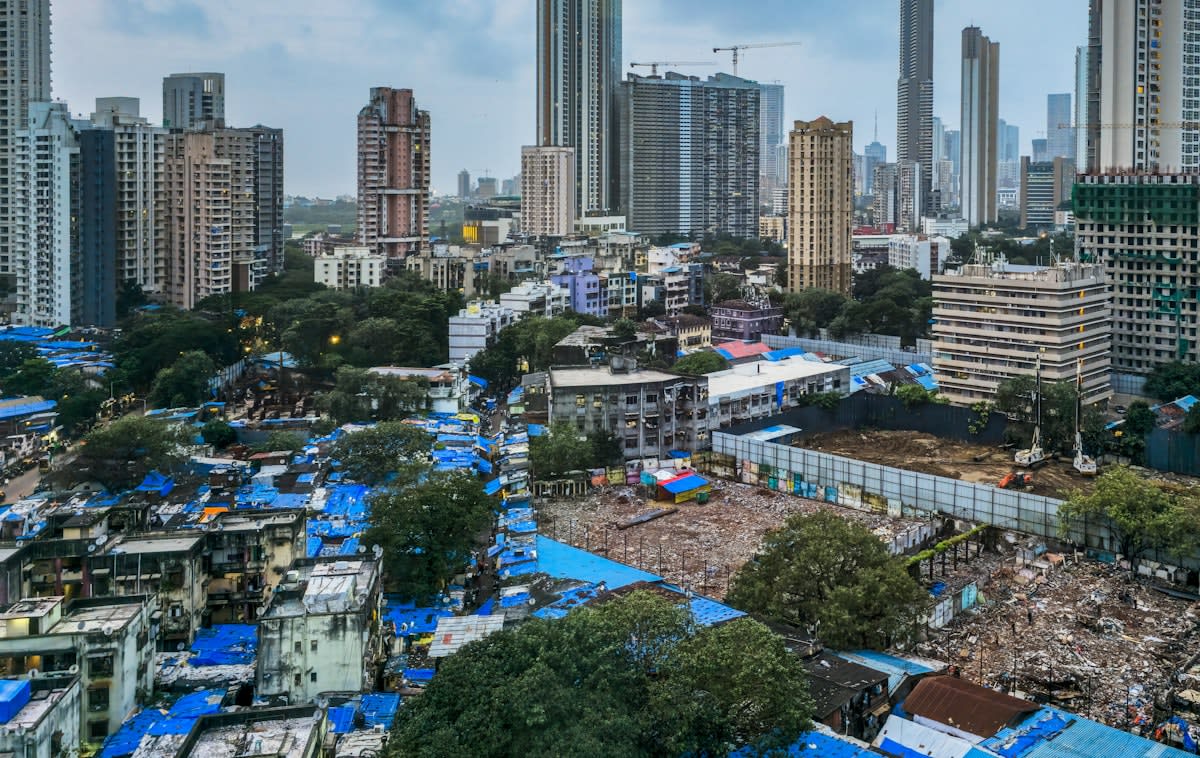
The Great Cooling Shift: Why Passive Architecture is Quietly Replacing Air Conditioning in the Global South
As energy grids buckle under the weight of rising temperatures, a silent architectural revolution is taking hold across the Global South. By reviving vernacular wisdom and integrating modern material science, cities are moving away from the AC-dependency loop toward a resilient, passive future.

The Great Un-Cooling: Why the World's Hottest Cities are Returning to Ancient Passive Cooling
From the wind towers of Yazd to the courtyard houses of Andalusia, the world's most heat-stressed cities are abandoning the HVAC-first mentality in favor of passive cooling strategies that reduce energy dependence and urban heat islands.
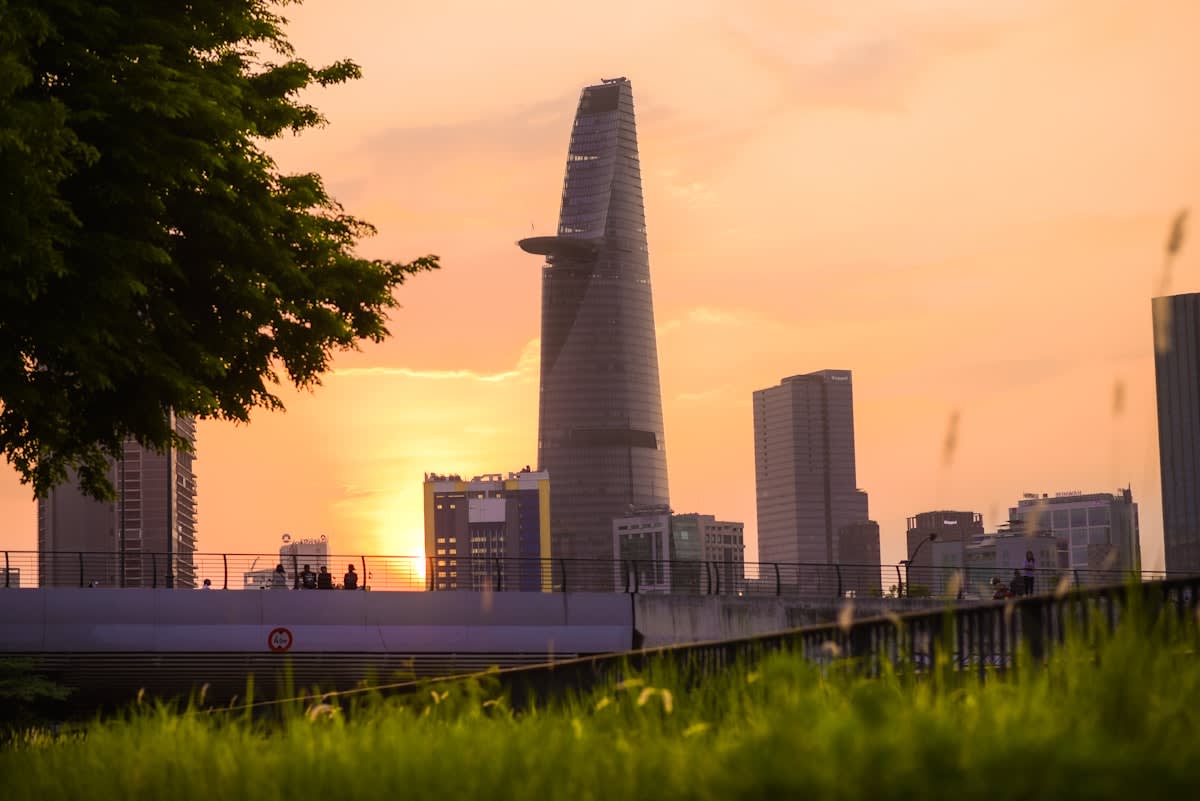
The Architecture of Survival: Why the World’s Hottest Cities are Quietly Abandoning the Glass Tower
As global temperatures climb, the prestige of the glass skyscraper is evaporating. From the leasing markets of London to the campus planning of Houston, a new strategic shift is emerging: the abandonment of active cooling dependency in favor of systemic thermal resilience.

Thermal Conductivity is Replacing the AC Grid in West Africa
As global climate tech investment hits record highs, West African cities are rejecting the energy-heavy cooling models of the West to embrace passive thermal management and nature-based water flux restoration.

Biological Friction Costs Billions
From the parasitic devastation of Mexican cattle herds to the productivity collapse during UK heatwaves, biological and environmental interference acts as a hidden tax on global GDP.
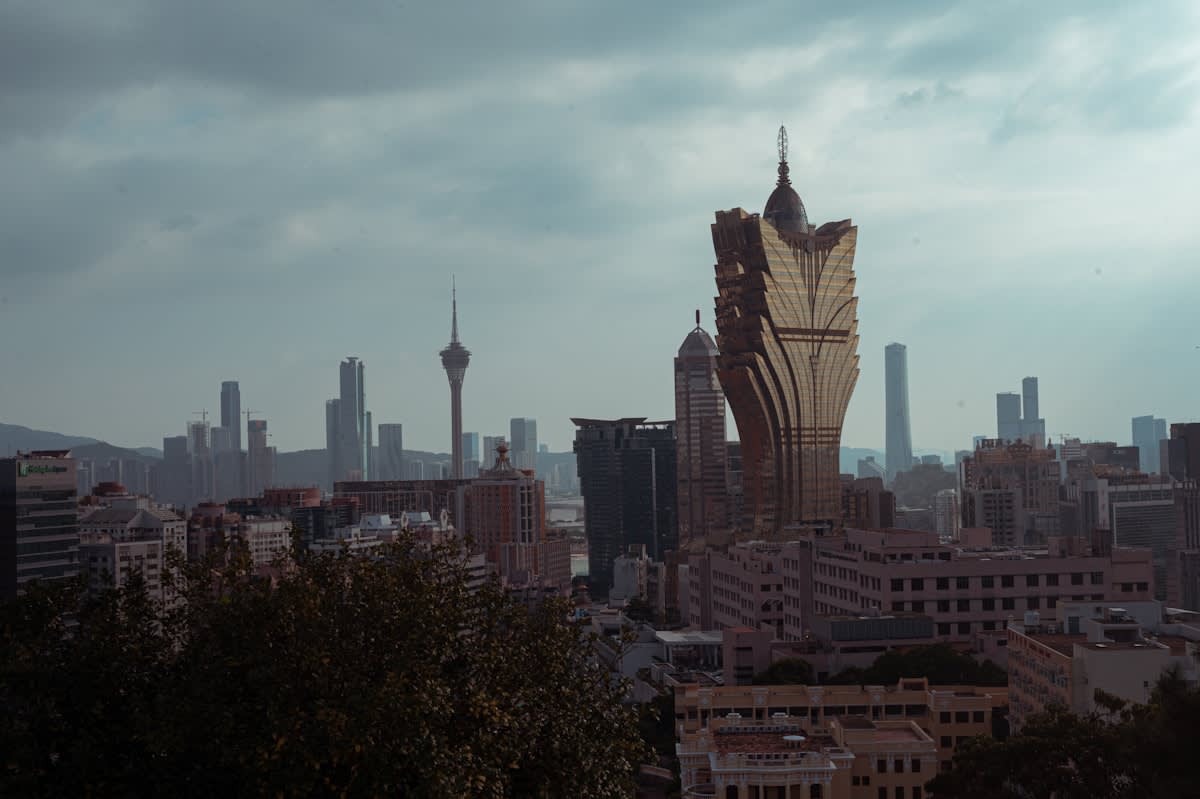
West African Cities Must Abandon Active Cooling for Passive Design
Surviving urban heat in West Africa requires a move away from energy-dependent cooling toward passive solar strategies and institutional frameworks that prioritize low-carbon materials and shared urban mobility.
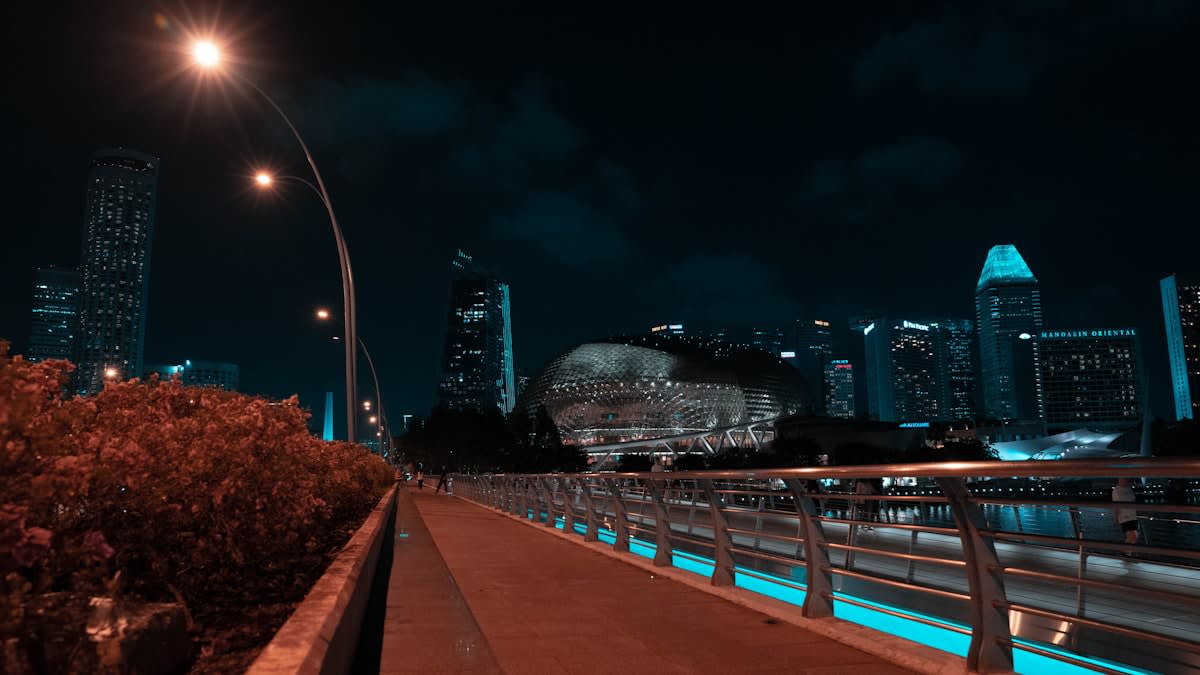
Cities No Longer Want to Own Their Cold
Urban centers are abandoning individual HVAC systems in favor of centralized, outsourced thermal grids to solve the CAPEX trap and grid instability.