#urban resilience
Discover 9 curated intelligence briefings related to this specific topic.
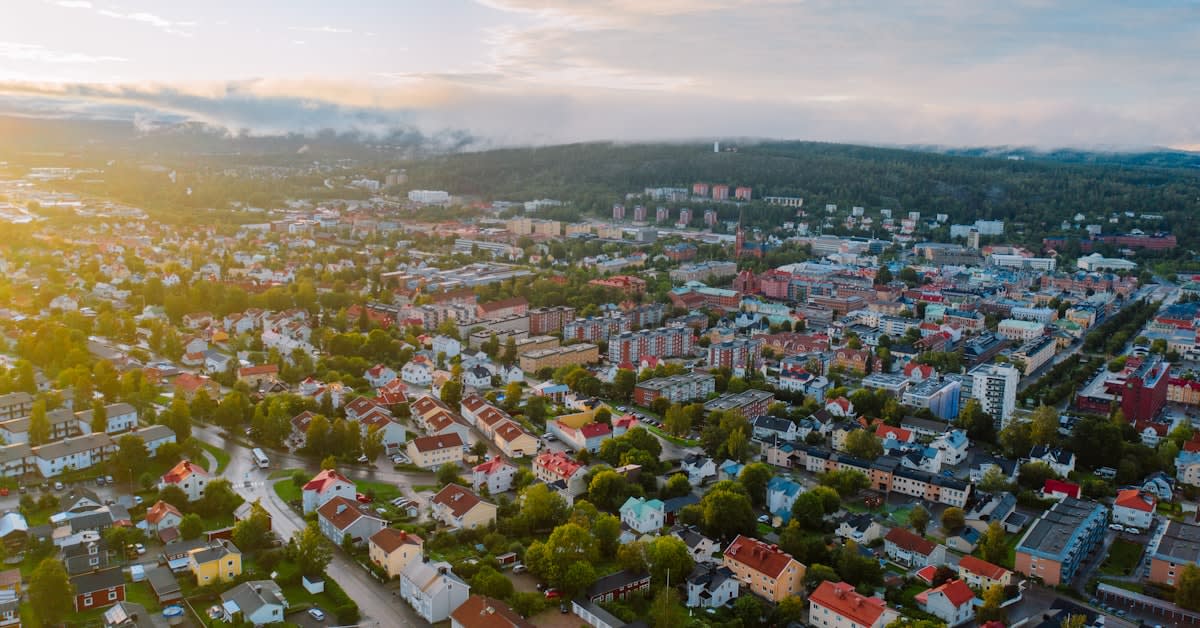
The 15-Minute City Paradox: Efficiency, Autonomy, and the New Urban Friction
Urban planners promised a utopia of proximity, but from Oxford to Paris, the 15-minute city is triggering a global political backlash. A strategic analysis of why efficiency is being mistaken for confinement.

The Humidity Harvest: Why Atmospheric Water Generation is Quietly Decoupling Cities from Rivers
For centuries, cities were slaves to geography, tethered to rivers and aquifers. Now, a quiet revolution in Atmospheric Water Generation (AWG) is allowing urban centers to harvest their own supply from the air, fundamentally altering the geopolitics of water.
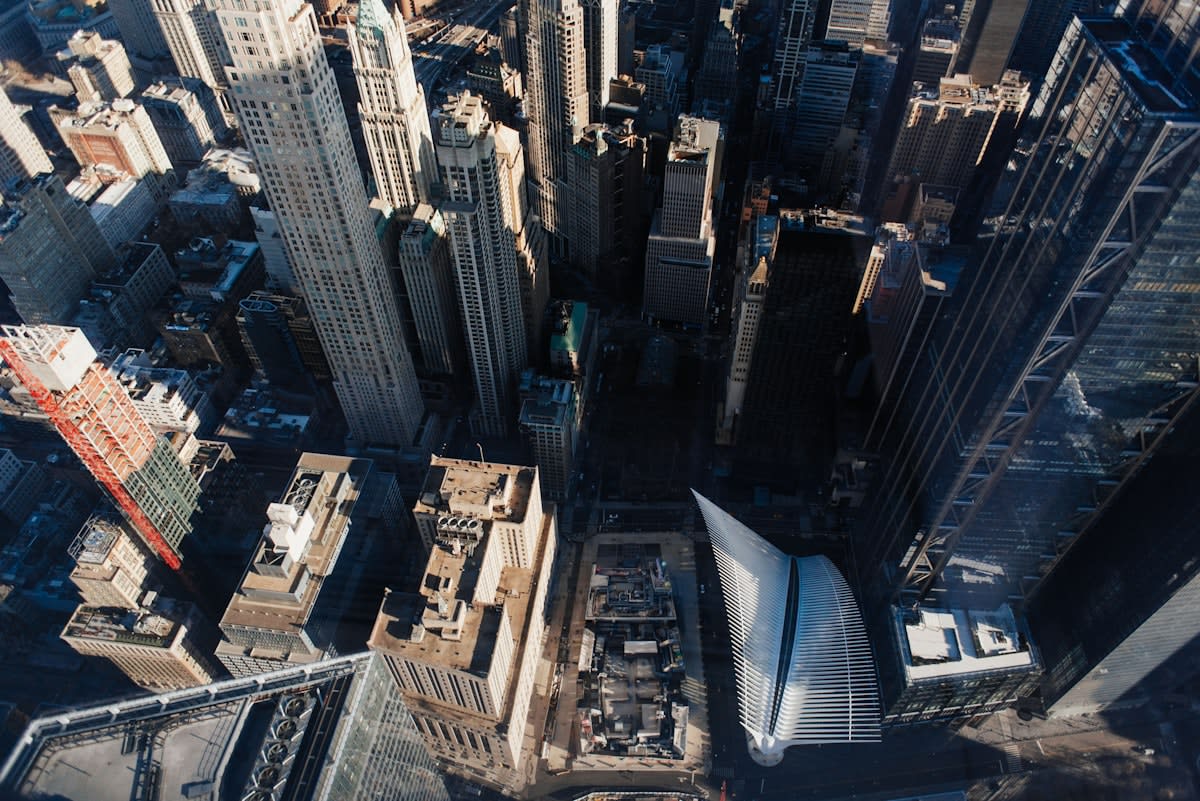
The Concrete Sponge: Why the World's Most Resilient Cities are Learning to Flood
For decades, urban planning treated water as an enemy to be expelled. Now, a systemic shift toward Sponge Cities is redefining resilience by integrating nature into the concrete grid, turning flood risks into water security.
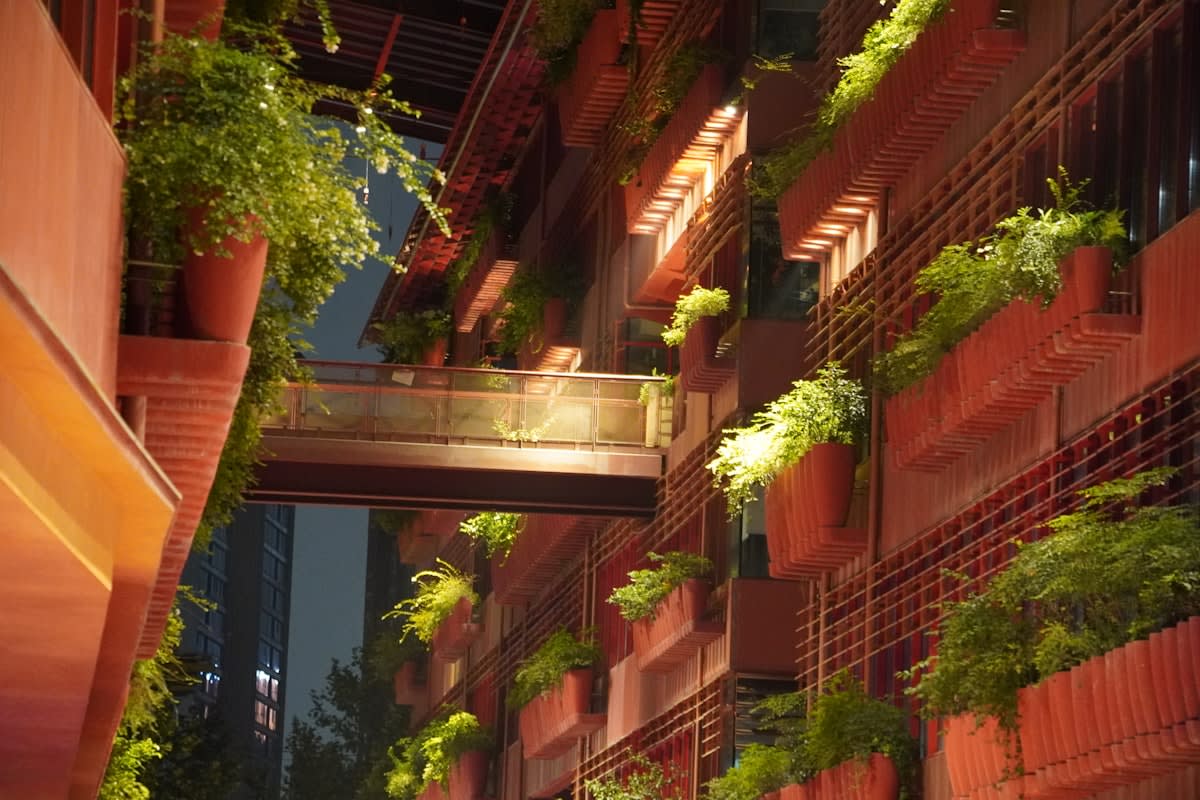
The Regenerative Home: Engineering a Living Micro-Ecosystem in the Urban Core
Stop aiming for 'net zero' and start aiming for 'net positive.' This guide leverages biophilic design and regenerative housing principles to transform urban dwellings into resilient, health-promoting ecosystems.
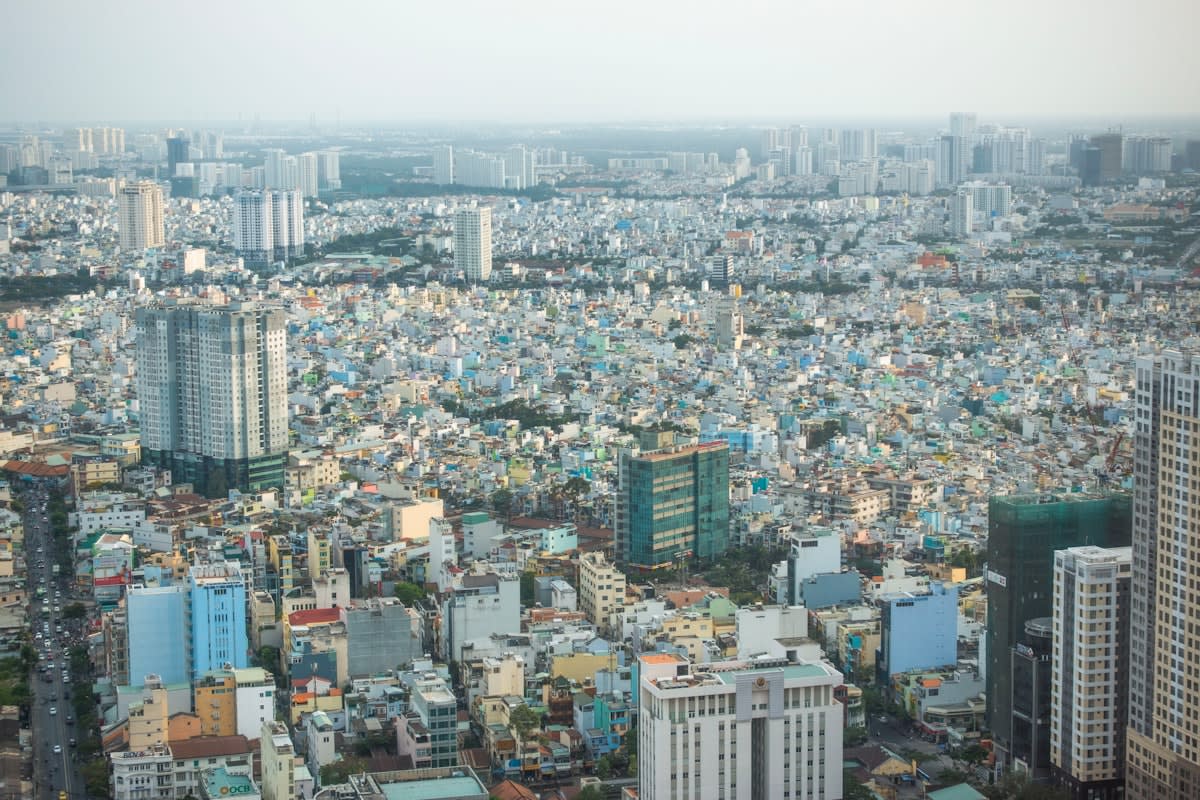
The End of the Centralized Pipe: How Vietnam’s Urban Shift is Pioneering the Future of Decentralized Hydrology
As traditional centralized water systems collapse under the weight of rapid urbanization and climatic volatility, Vietnam is pivoting toward a decentralized hydrological model that treats water as an asset rather than a waste product.
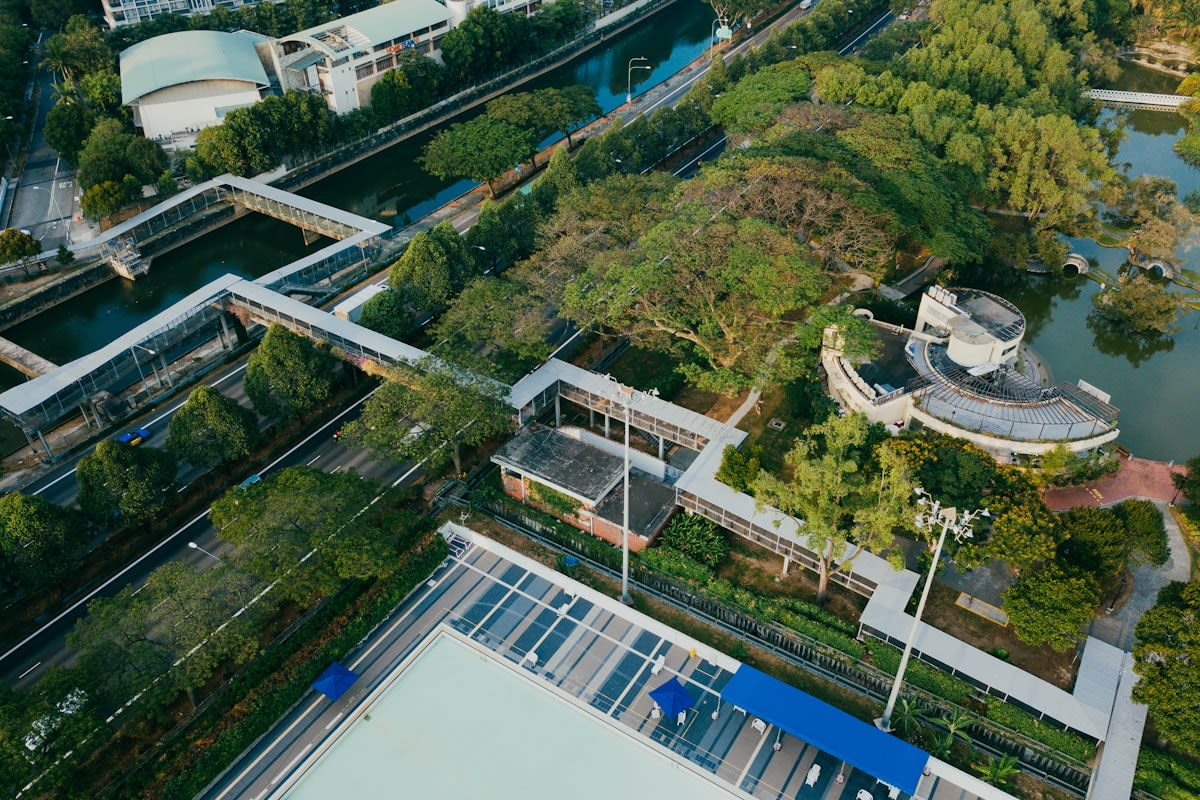
The Concrete Exodus: Why the World’s Most Resilient Cities are Turning Into Sponges
The era of the concrete pipe is ending. From Shenzhen to Copenhagen, the world's leading metropolises are replacing grey infrastructure with 'sponge' systems to survive an era of volatile precipitation.
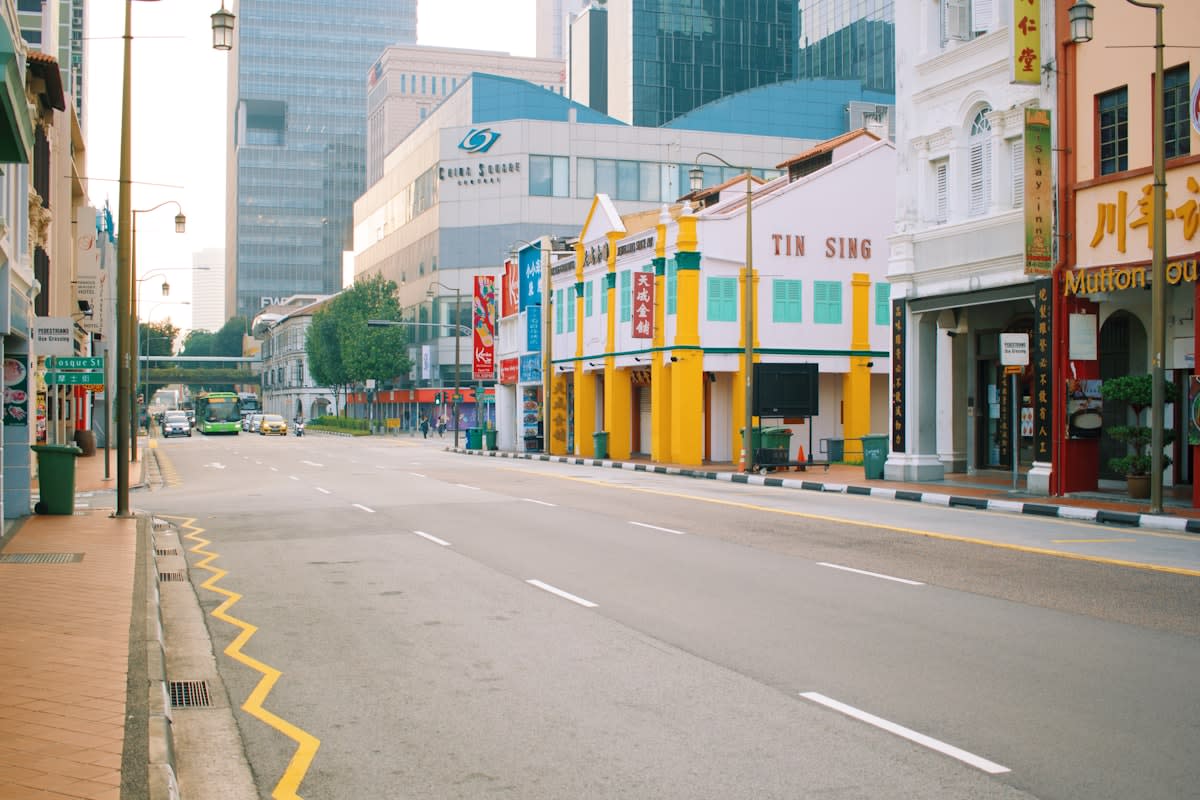
The Living Glow: Synthetic Biology and the End of the Electric Streetlight
From Singapore to the Netherlands, a new wave of urban lighting is emerging. Powered by synthetic biology, these bioluminescent landscapes promise to slash energy costs and eradicate light pollution by integrating light-emitting pathways directly into urban flora.
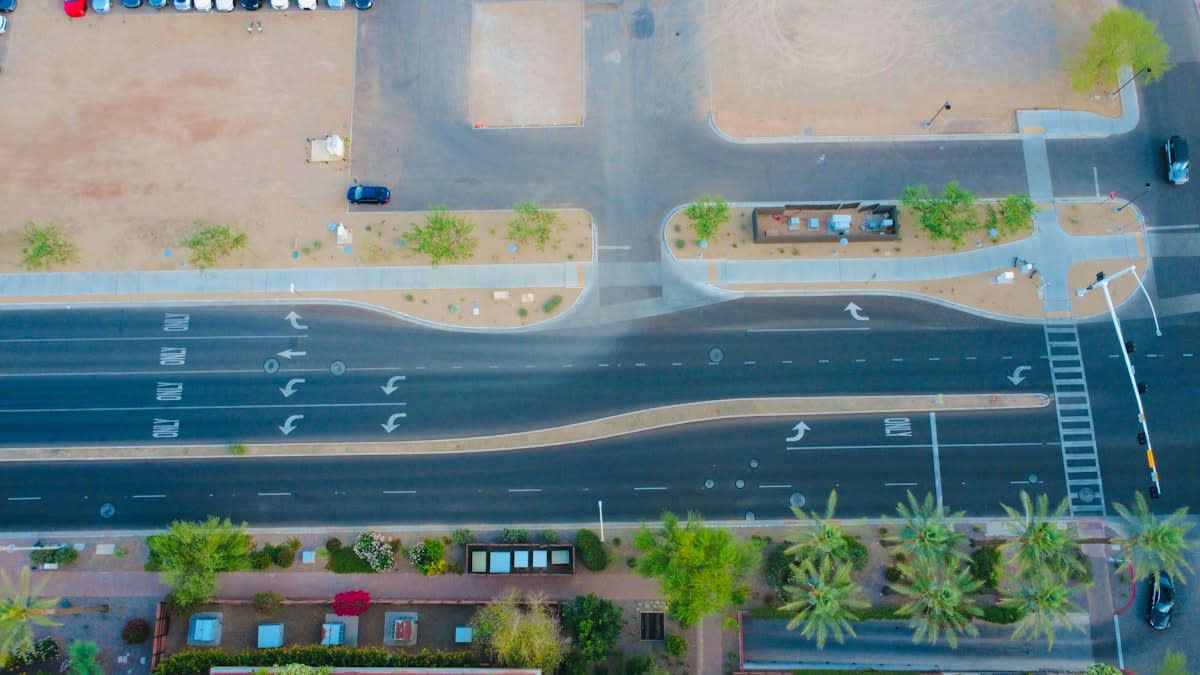
The Micro-Move: How Urban Acupuncture is Redefining the Global Metropolis
From Barcelona's Superblocks to Medellín's social urbanism, a global shift is underway. City planners are abandoning the rigid master plans of the 20th century in favor of 'Urban Acupuncture'—small, high-impact interventions that trigger systemic urban renewal.
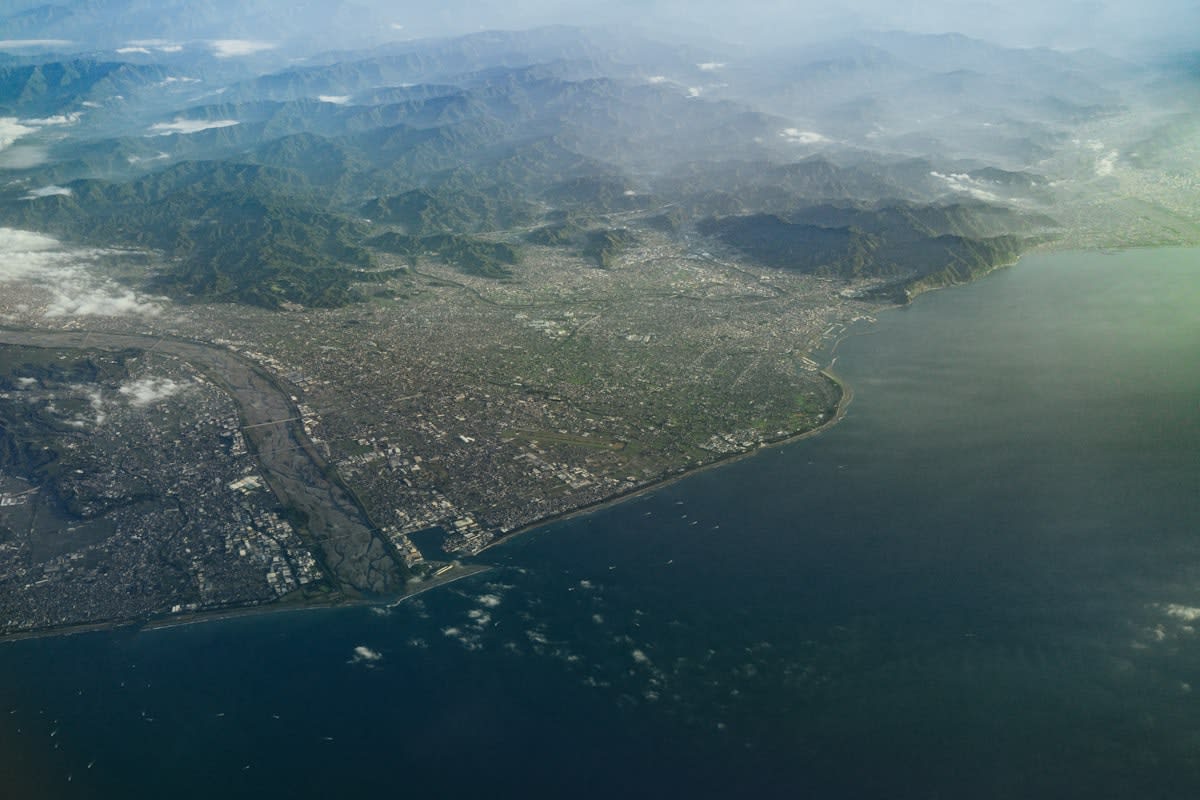
Oceania Faces a Permanent State of Displacement
With 117.8 million people displaced by 2025 and projections hitting 216 million by 2050, the Asia-Pacific region is confronting a reality where 'home' is a fluid concept and urban centers must absorb the casualties of a warming planet.