Demand from US data-center boom radiates out through factory supply chains
Source Entity
Yahoo Finance
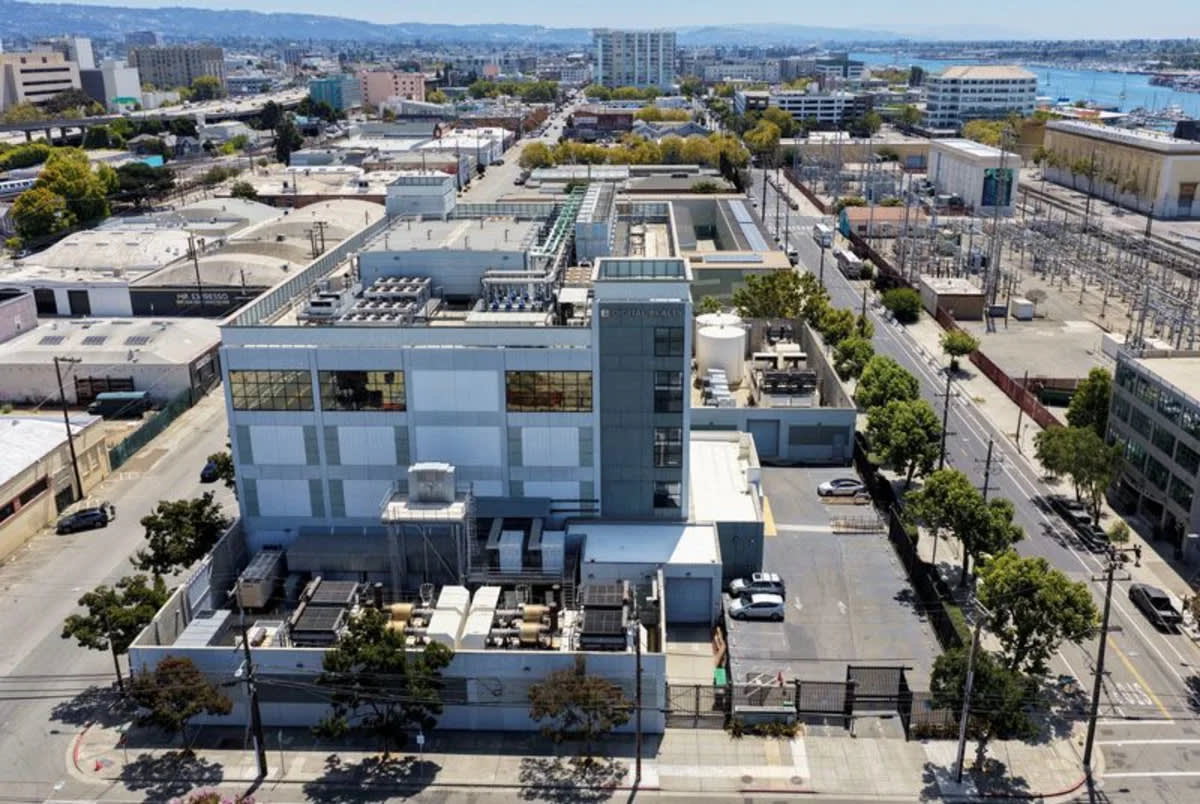
The rapid expansion of AI data centers is driving massive investment across the supply chain, from specialized power generators to multi-billion-dollar infrastructure projects. Major players like Nvidia are now orchestrating global data center deals, while manufacturers like Generac pivot to meet the surging demand for industrial-scale power solutions.
The Infrastructure Supercycle: Powering the AI Revolution
The rapid proliferation of artificial intelligence is no longer confined to the digital realm; it has sparked a massive physical infrastructure boom that is reverberating through global industrial supply chains. As AI models require unprecedented levels of computational power, the demand for data centers has surged, creating a ripple effect that benefits everything from heavy electrical equipment manufacturers to massive energy-intensive development projects.
Generac and the Pivot to Industrial Power
Generac, historically recognized for its residential backup generators, is undergoing a strategic shift to meet the needs of this new era. By committing $250 million to retool factories for industrial-grade data center generators, the company is positioning itself as a critical player in the AI ecosystem. With a $1.6 billion order backlog and a planned 10% workforce expansion, Generac’s trajectory highlights how legacy manufacturers are being pulled into the AI gold rush, serving as the essential backbone for grid reliability in an age of constant uptime requirements.
Nvidia’s Role as an Ecosystem Architect
Nvidia’s influence has transcended its status as a chip designer, evolving into a central architect of the global AI infrastructure. In the Nordics, the company is acting as a 'matchmaker,' connecting GPU customers with data center operators to leverage the region's abundant land and affordable energy. This strategic maneuvering demonstrates Nvidia's intent to exert influence across the entire AI stack, ensuring that the physical environment required to house its processors is developed effectively and rapidly.
The Ohio Mega-Project: A Case Study in Scale
The scale of this infrastructure build-out is best exemplified by the massive 8-gigawatt data center facility planned for Ohio. Through a partnership involving Nvidia, OpenAI, and SB Energy, this project—the PORTS-Pike Technology Campus—represents a monumental financial commitment. With over $105 billion in financing and a long-term 20-year lease agreement, the project underscores the sheer magnitude of resources required to host the next generation of AI workloads.
Supply Chain and Broader Economic Implications
The demand for data centers is creating a specialized industrial ecosystem. Beyond power generation, firms specializing in cooling systems, electrical transformers, and construction machinery are seeing a sustained boost in demand. This 'data-center boom' is effectively stimulating traditional manufacturing sectors, providing a long-term growth horizon for companies that can pivot their output to satisfy the high-density requirements of modern computing.
Future Trends and Sustainability Challenges
Looking ahead, the central question remains the sustainability and duration of this build-out. As companies like Generac and Nvidia continue to push the boundaries of energy consumption, the industry will likely face increasing pressure to balance rapid expansion with energy efficiency and grid stability. The reliance on massive, centralized sites like the Ohio campus suggests a future where AI computing power is treated as a critical utility, similar to water or electricity, requiring significant capital investment and long-term strategic planning to maintain.
Multiple Citing Sources