The U.S. banned Nvidia's best chips from going to China. Now it's trying to close a crucial loophole
Source Entity
US Top News and Analysis
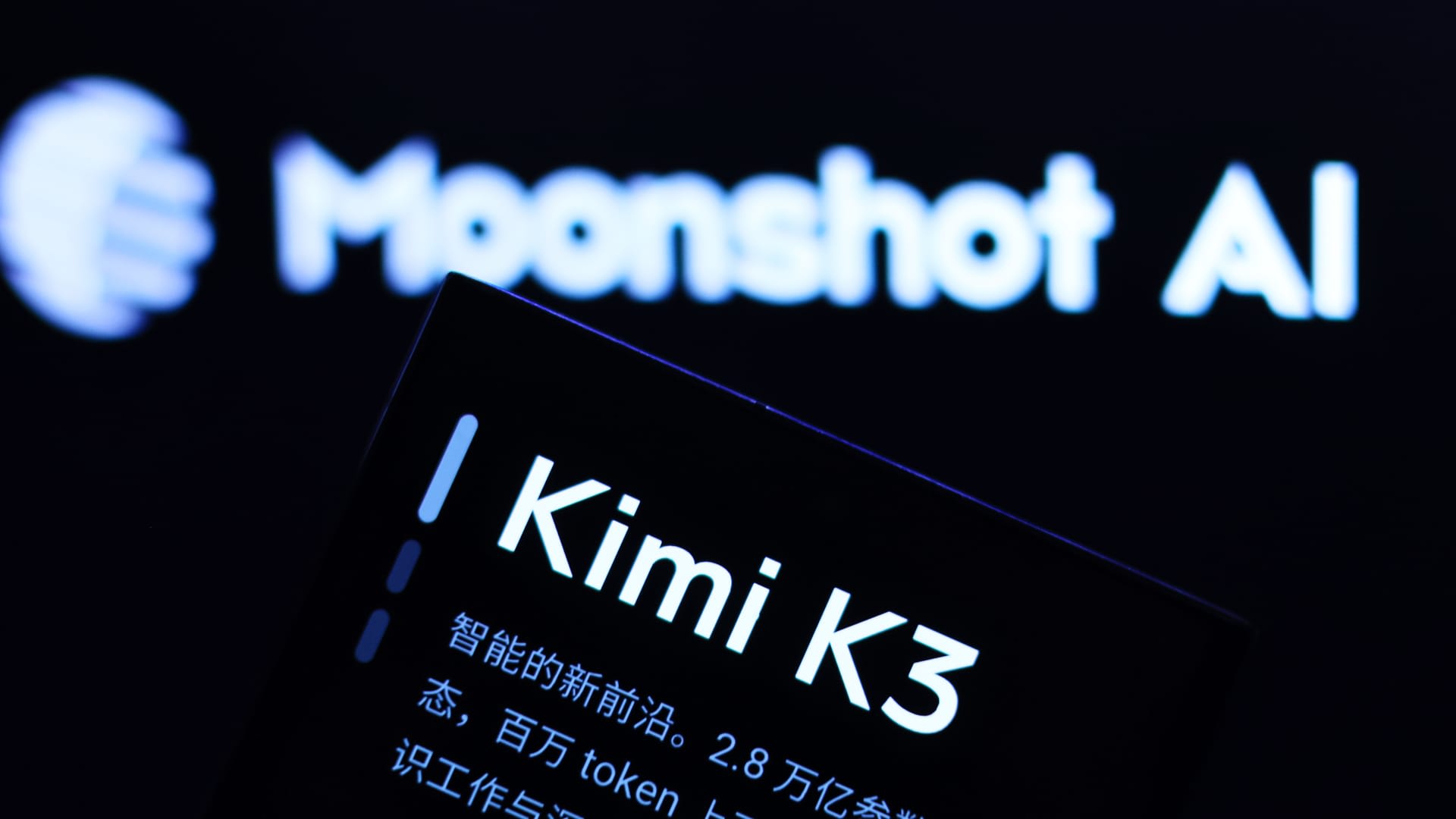
The U.S. is considering new export controls to prevent Chinese AI firms from bypassing chip bans by accessing Nvidia's advanced computing power via cloud services. This move highlights the difficulties in restricting hardware when software-defined access remains a viable workaround for global companies.
The Expanding Scope of U.S. Semiconductor Export Controls
The U.S. government’s ongoing effort to restrict China’s access to advanced artificial intelligence hardware has reached a critical inflection point. While initial bans focused on the physical shipment of high-end semiconductors, such as Nvidia’s powerful chips, the emergence of cloud-based workarounds has necessitated a shift in policy. By utilizing data centers located in neutral jurisdictions like Southeast Asia, Chinese AI firms are successfully circumventing existing trade barriers to train their next-generation models.
The Challenge of Cloud-Based Circumvention
The core of the current controversy lies in the distinction between hardware ownership and compute access. While U.S. export controls effectively stop the physical export of chips like the GB300 to mainland China, they do not inherently restrict the remote rental of that same computing power. Reports indicating that firms like Moonshot AI have utilized Nvidia chips via facilities in Thailand underscore the limitations of a hardware-only embargo. This 'cloud-access gap' allows companies to train sophisticated AI models without ever physically possessing the prohibited silicon.
Geopolitical Implications for AI Supremacy
This cat-and-mouse game is central to the broader geopolitical rivalry between Washington and Beijing. AI supremacy is viewed by both nations as a cornerstone of future economic and military power. By restricting access to the computing power necessary for deep learning, the U.S. hopes to slow the development of Chinese large language models (LLMs). However, as Chinese AI entities demonstrate rapid performance improvements, the efficacy of these targeted sanctions is being heavily scrutinized by lawmakers who argue that current measures are insufficient to stem the tide of technological advancement.
Regulatory Dilemmas and Future Policy
The U.S. legislative response is now pivoting toward closing these loopholes, potentially through stricter oversight of cloud service providers. Implementing such controls, however, presents significant challenges. Monitoring remote access to computing power globally requires immense transparency and cooperation from international data center operators. Legislators are now weighing the trade-offs between national security interests and the potential disruption to the global cloud infrastructure market.
Conclusion: A New Era of Tech Containment
As the industry watches for new directives from the White House, the situation serves as a primary example of how export controls must evolve alongside technological delivery methods. The transition from physical hardware bans to digital access restrictions marks a new phase in the trade war. Ultimately, the ability of the U.S. to maintain its technological lead will depend on its capacity to adapt its regulatory framework to a world where high-end computing is increasingly treated as a utility rather than a tangible commodity.