Air Taxis In Delhi's Future? New Master Plan Makes First Mention
Source Entity
NDTV News Search Records Found 1000
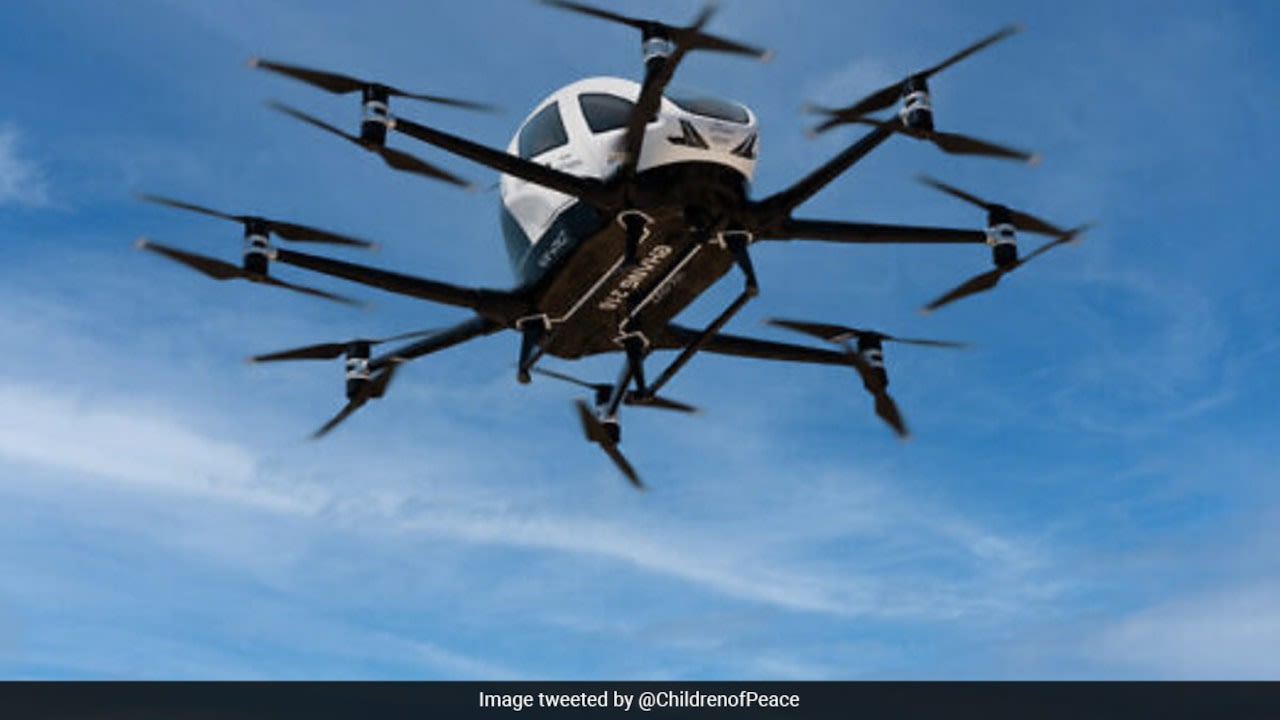
The Centre has officially notified the Master Plan for Delhi-2047, aiming to transform the city into a high-density, vertical urban center. The plan addresses future population growth, introduces modern transit solutions like air taxis, and seeks to streamline connectivity to the Noida International Airport.
A New Horizon for the Capital: Analyzing the Master Plan for Delhi-2047
After a significant five-year delay, the Union government has officially notified the Master Plan for Delhi (MPD)-2047. This long-awaited roadmap marks a pivotal shift in the architectural and social fabric of India’s capital, signaling a transition from its traditional, low-rise urban sprawl toward a dense, vertical metropolis. By unlocking large tracts of land for high-rise residential projects, the plan seeks to accommodate a projected population surge from the current 2.2 crore to an estimated 3.2 crore by the year 2047.
Addressing the Housing and Commercial Crunch
At the core of the MPD-2047 is the urgent necessity to address the escalating housing and commercial space shortage. Union Housing and Urban Affairs Minister Manohar Lal, alongside Lieutenant Governor Taranjit Singh Sandhu and Chief Minister Rekha Gupta, emphasized that the initiative aims to facilitate the construction of approximately 40 lakh new affordable housing units. This shift toward high-density development is not merely aesthetic; it is a strategic response to the physical constraints of Delhi’s geography, ensuring that the city remains functional as it grows.
Private Sector Integration and Economic Growth
One of the most significant aspects of the new Master Plan is the explicit invitation for greater private-sector participation in urban development. By decentralizing the development process and allowing private developers to play a larger role, the government hopes to accelerate the delivery of infrastructure projects. This policy shift is expected to stimulate the real estate sector and foster a more competitive market, which is essential for meeting the ambitious targets set for the next two decades.
Visionary Connectivity: The Future of Transit
Beyond housing, the plan introduces forward-thinking concepts for urban mobility. Notably, the document includes the first official mention of air taxis as a potential component of Delhi’s future transit network. This suggests a bold, futuristic approach to urban planning that looks to reduce congestion and modernize commuter travel. Furthermore, the plan provides granular details on improving connectivity to the Noida International Airport, ensuring the capital remains integrated with the expanding regional infrastructure of the National Capital Region (NCR).
Historical Context and Future Implications
Historically, Delhi’s development has been characterized by strict height restrictions and sprawling residential colonies. The MPD-2047 represents a fundamental departure from this legacy, embracing the 'vertical city' model common in global financial hubs. If successfully implemented, this plan could redefine urban living in India, setting a precedent for other tier-one cities grappling with similar density challenges. The focus on high-rise development and integrated transit suggests that the capital is positioning itself to be a sustainable, globally competitive city by the centenary of India's independence.
Conclusion
The notification of the Master Plan for Delhi-2047 is a landmark event that sets a clear, albeit ambitious, trajectory for the capital. By balancing the immediate need for affordable housing with long-term technological aspirations like air taxi networks and enhanced regional connectivity, the plan provides a comprehensive framework for growth. The success of this vision will ultimately depend on the seamless collaboration between the Centre, the local government, and the private sector as Delhi prepares for a future of unprecedented density and development.
Verification Required?