SC faults UP Gangsters Act, says it is prone to misuse
Source Entity
AMIT ANAND CHOUDHARY
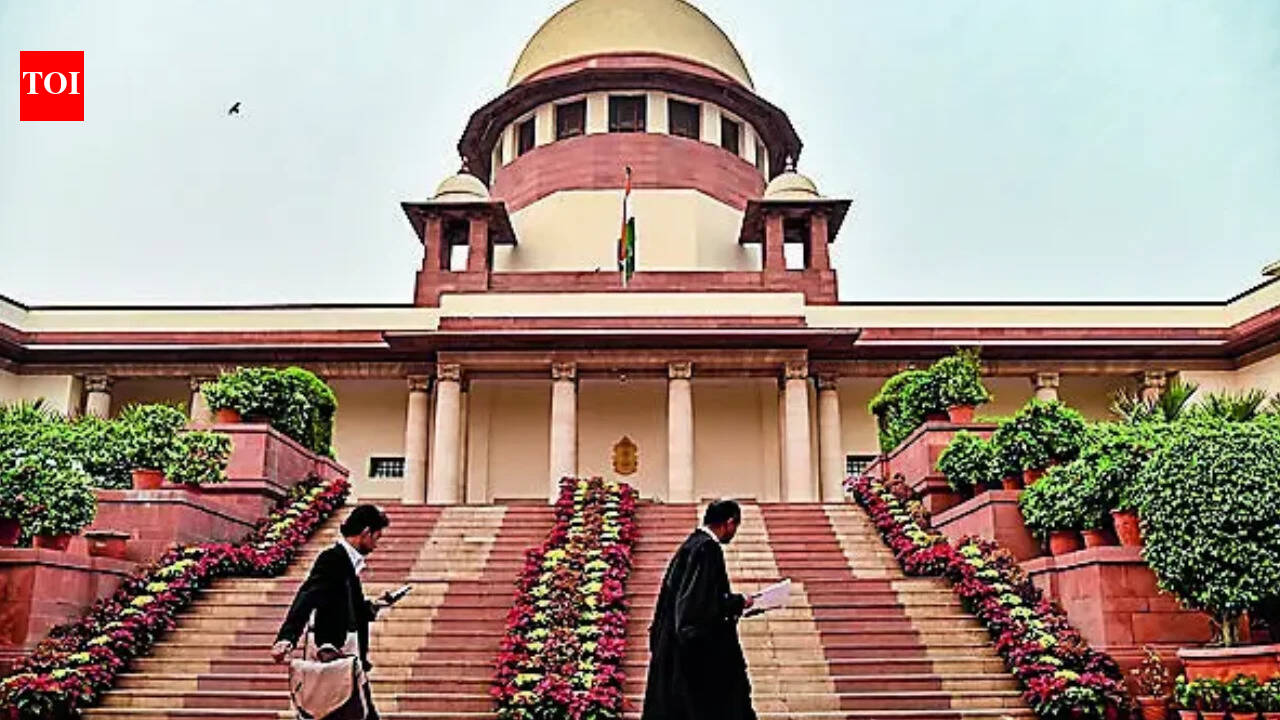
The Supreme Court has criticized the Uttar Pradesh Gangsters Act for lacking essential legal safeguards against misuse. Justices have highlighted the law's failure to define specific offences, raising concerns about its potential for targeting innocent individuals.
Supreme Court Scrutinizes the UP Gangsters Act
In a significant legal development, the Supreme Court of India has raised serious concerns regarding the constitutional and procedural integrity of the Uttar Pradesh Gangsters and Anti-Social Activities (Prevention) Act. A bench comprising Justices J.B. Pardiwala and K. Vinod Chandran observed that the legislation is inherently prone to misuse, specifically noting that it lacks the necessary safeguards to protect innocent citizens from vindictive or malicious state action. This critique underscores a growing judicial concern over special penal laws that bypass standard criminal justice protections.
The Absence of Defined Offences
One of the primary contentions raised by the Supreme Court bench is the structural deficiency of the Act. The justices pointed out that the legislation fails to create a specific, clearly defined offence—a fundamental requirement for any penal statute. While the Act provides definitions for terms such as 'gang' and 'gangster,' the Court noted that these definitions do not translate into a distinct criminal offence under the current legal framework. This ambiguity leaves the law open to broad interpretations, which can lead to arbitrary enforcement.
Concerns Over 'Gang Charts' and Detention
The judicial critique extends to the operational mechanisms of the Act, particularly the use of 'Gang Charts.' These charts, often used by law enforcement to categorize individuals as members of a criminal syndicate, have been scrutinized for their lack of transparency and potential for abuse. The Supreme Court highlighted that the current application of the Act results in prolonged detention periods for individuals without a clear, legally defined offence. This practice raises severe questions regarding the right to personal liberty and due process under the Indian Constitution.
Broader Implications for Rule of Law
This judicial intervention serves as a warning against the potential for state overreach. When special laws are drafted with vague terminology, they often become tools for administrative convenience rather than instruments of justice. By flagging these 'serious flaws,' the Supreme Court is emphasizing that the state's power to curb organized crime must be balanced against the constitutional rights of the individual. The ruling suggests that without legislative amendments or stricter judicial oversight, the Act remains a liability for the legal system.
Future Trends and Judicial Oversight
Looking forward, this observation by the Supreme Court may trigger a comprehensive review of similar special statutes across various states. It is likely that the judiciary will demand tighter scrutiny of how 'gangster' designations are made and enforced. If the state government does not address these concerns, courts may begin to grant more frequent bail or quash FIRs filed under this Act, effectively forcing a reform of how the law is applied on the ground to prevent the harassment of innocent citizens.