High Court Bench for Ladakh approved; Centre reaffirms commitment to constitutional safeguards
Source Entity
India Latest News: Top National Headlines Today & Breaking News | The Hindu
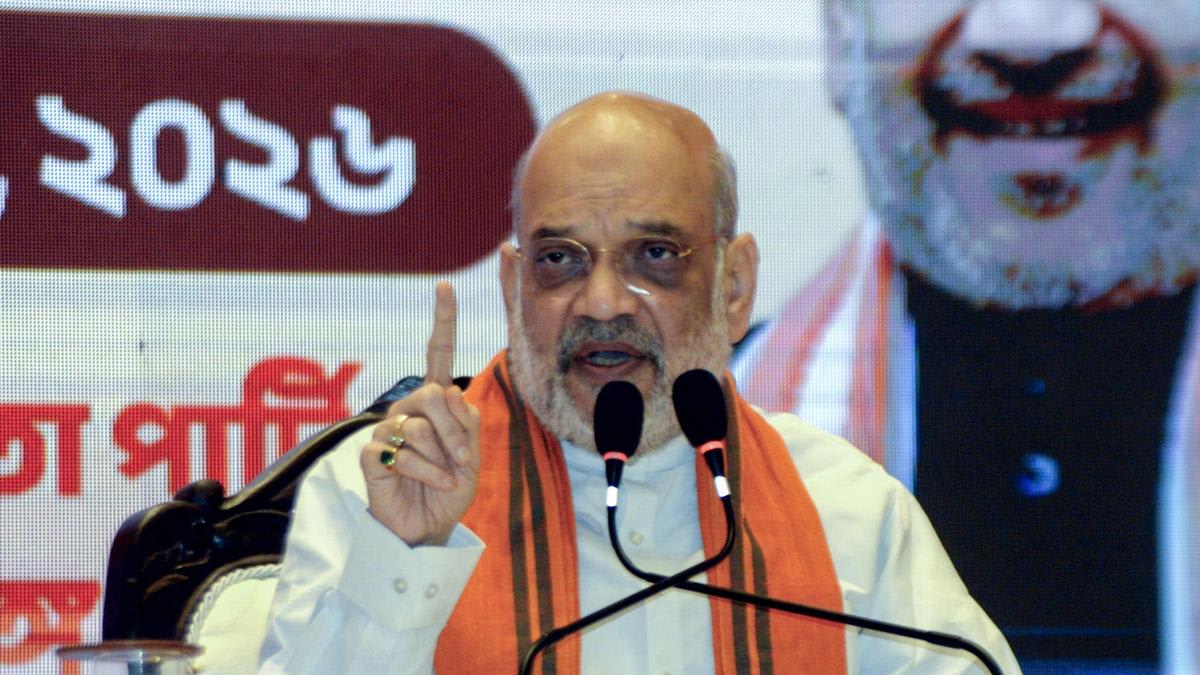
The Union Cabinet has officially approved the establishment of a High Court Bench in Ladakh to improve judicial access for the region's residents. This move, supported by local leadership, aims to bridge the gap in legal services for the geographically remote Union Territory.
Strengthening Judicial Access in Ladakh: A Strategic Milestone
The Union Cabinet's recent decision to establish a High Court Bench of the Jammu and Kashmir High Court in Ladakh marks a significant development in the administrative and judicial infrastructure of the Union Territory. By bringing the higher judiciary closer to the people, the government aims to mitigate the logistical challenges that have historically impeded the delivery of legal services in this remote, high-altitude region.
Addressing Geographic and Logistical Barriers
Ladakh’s unique geography, characterized by extreme weather and difficult terrain, has long made accessing judicial remedies in Srinagar or Jammu a formidable task for its citizens. The establishment of this Bench is a direct response to the long-standing demand for localized access to higher legal forums. By reducing the time and financial burden associated with traveling to the existing seats of the High Court, this initiative promises to significantly enhance the efficiency of the judicial process for the people of Ladakh.
Government Commitment and Political Context
Home Minister Amit Shah’s announcement underscores the central government’s stated commitment to the "all-round development" of the region. Since the reorganization of the state of Jammu and Kashmir into two distinct Union Territories, the Centre has frequently emphasized its intent to provide robust administrative support to Ladakh. This judicial reform is framed as part of a broader strategy to ensure that constitutional safeguards and legal protections are accessible to all residents, regardless of their proximity to major urban centers.
Welcoming Administrative Cooperation
The decision has garnered positive feedback from local leadership, including Lieutenant Governor Vinai Kumar Saxena, who characterized the development as a "historic decision." The alignment between the central government’s policy directives and the local administration’s support suggests a cohesive effort to institutionalize the governance structure of Ladakh. This partnership is essential for the successful operationalization of the new Bench.
Future Implications for Judicial Infrastructure
Looking ahead, the establishment of a High Court Bench is expected to act as a catalyst for other infrastructure developments in the region. Beyond the immediate legal impact, the presence of a permanent judicial facility necessitates improvements in connectivity and administrative support systems. As the Union Territory continues to integrate into the national legal framework, this Bench will play a critical role in fostering a more accessible and equitable justice system for the citizens of Ladakh.
Conclusion
In summary, the approval of a High Court Bench for Ladakh represents a pivotal step in the legal empowerment of the region. By prioritizing accessibility and regional development, the central government is addressing a core concern of the Ladakhi population, signaling a commitment to long-term stability and effective governance in this strategically vital territory.
Verification Required?