After PM Modi’s push, Maharashtra to explore free online UPSC coaching
Source Entity
Soham Shah
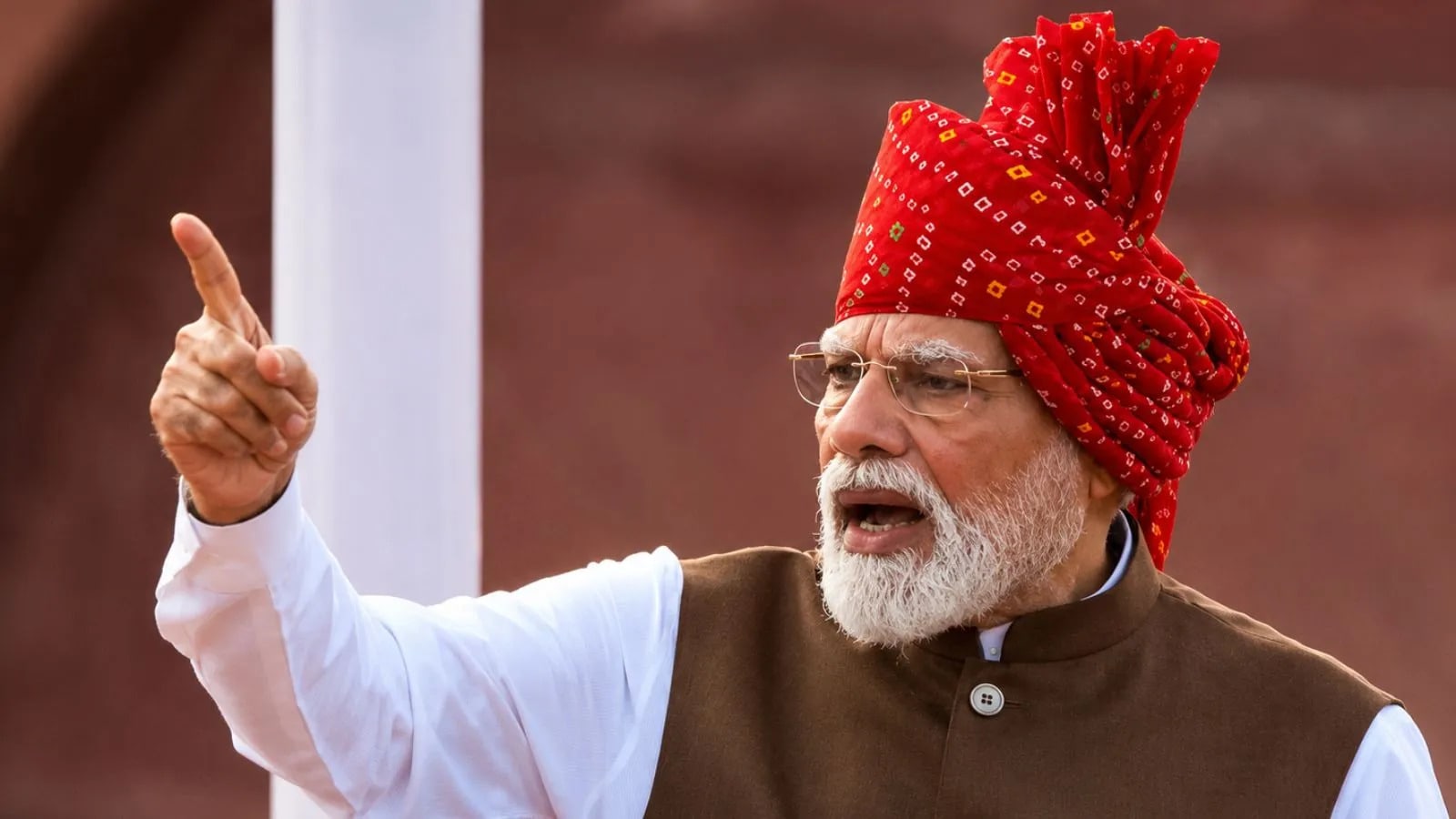
Following PM Modi's Independence Day announcement, Maharashtra is launching a committee to expand its UPSC coaching initiatives. The state plans to transition its existing offline training model into a free online platform for 5,000 students.
Maharashtra Expands UPSC Aspirant Support Following PM's Vision
In a significant policy shift aligned with Prime Minister Narendra Modi’s recent Independence Day address, the Maharashtra government has initiated steps to democratize access to competitive examination coaching. During his speech at the Red Fort, the Prime Minister highlighted the financial strain that private coaching institutes impose on families from lower and middle-income backgrounds. In response, Maharashtra has moved to formalize a structure that provides free online coaching for the Union Public Service Commission (UPSC) exams, aiming to alleviate the fiscal burden on ambitious students across the state.
Transitioning from Offline to Digital Infrastructure
Maharashtra has long supported civil service aspirants through its six established Pre-IAS training centers located in Mumbai, Nagpur, Pune, Nashik, Amravati, and Chhatrapati Sambhaji Nagar. While these centers have served as vital hubs for offline learning, their capacity is inherently limited by geographical constraints and physical infrastructure. By constituting a six-member committee, as announced by the Director of Higher Education, Shailendra Deolankar, the state aims to transcend these limitations by scaling the program to reach 5,000 students through a new digital interface.
The Socio-Economic Impact of Accessible Coaching
The decision to pivot toward online delivery is a recognition of the 'digital divide' and the high costs associated with relocating to urban education hubs. Private coaching for UPSC exams often entails exorbitant fees, travel costs, and living expenses, which effectively gatekeep the examination process for many talented individuals. By leveraging the existing state expertise and moving it online, the administration is attempting to level the playing field, ensuring that merit—not financial status—becomes the primary determinant of a student's ability to prepare for civil services.
Policy Formation and Implementation Challenges
The six-member committee is tasked with the complex mandate of designing a policy framework that ensures the quality of digital instruction matches the rigor of the traditional classroom setting. This involves not only the selection of digital pedagogy but also the logistical management of virtual classrooms, doubt-resolution mechanisms, and the distribution of standardized study materials. The success of this initiative will depend on how effectively the government integrates these online modules with the legacy knowledge base of the existing Pre-IAS training centers.
Broader Implications and Future Trends
This move by Maharashtra signals a broader trend in Indian governance where states are increasingly adopting 'EdTech' models to fulfill public service mandates. If this model succeeds, it could serve as a blueprint for other states to digitize their competitive exam support systems. As the government continues to prioritize inclusive education, the transition to high-quality, free online coaching may fundamentally reshape how the next generation of civil servants prepares for their careers, potentially shifting the cultural reliance away from expensive private coaching centers toward reliable, state-sponsored digital platforms.