The Daily Catch-Up: Noida workers jailed for weeks, Vande Mataram row and more
Source Entity
The Indian Express
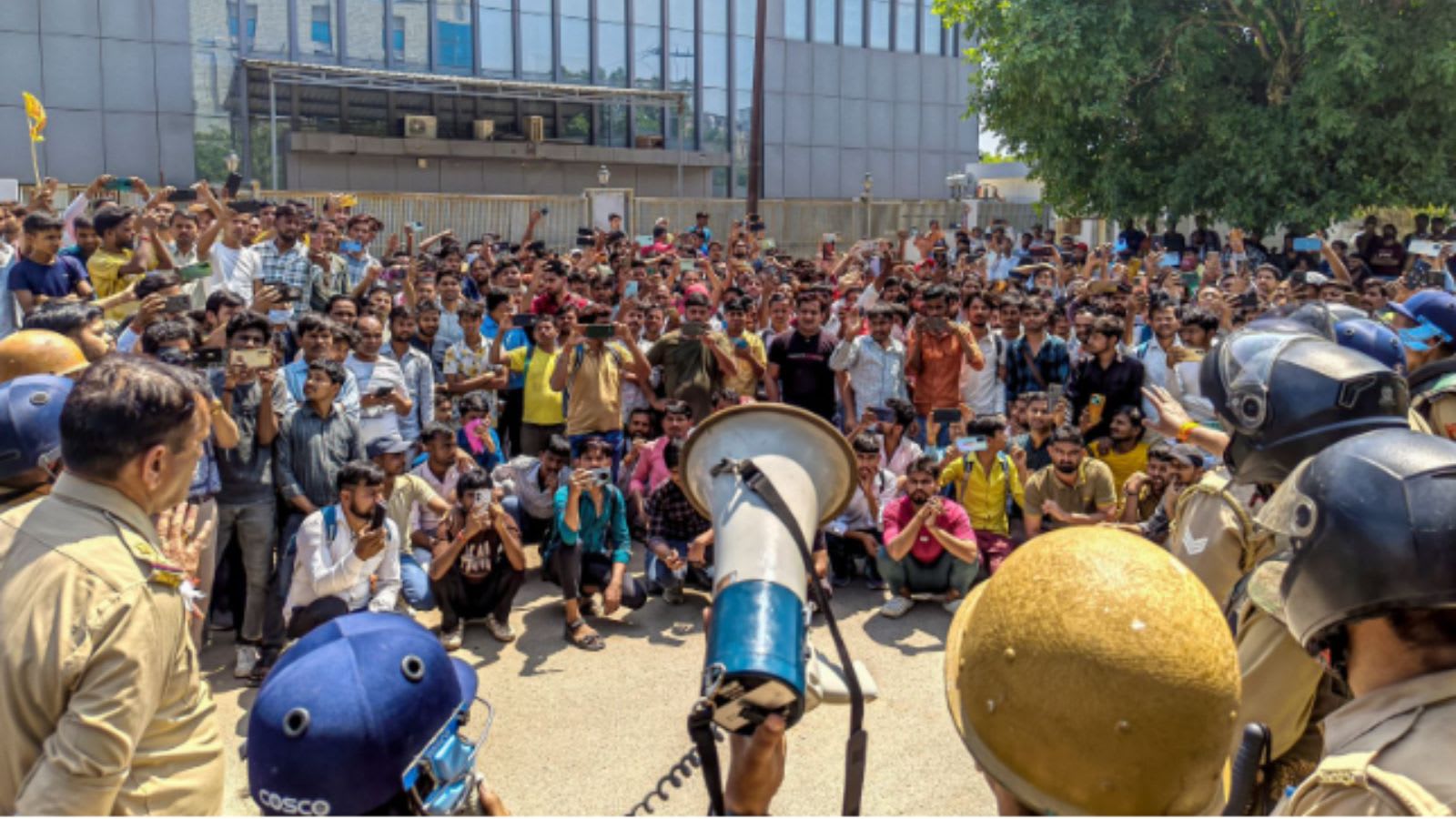
Workers in Noida face prolonged incarceration and multiple legal charges following April protests over wage disputes. Legal experts and activists are now challenging the police's handling of these cases, including the merging of overlapping FIRs.
The Legal and Human Cost of Labor Unrest in Noida
The April 13 Uprising and the Security Narrative
In April, the industrial hubs of Noida and Ghaziabad became the epicenter of labor agitation as thousands of factory workers took to the streets to demand improved wages, adjusted working hours, and better overtime compensation. The response from the local authorities was swift and severe. Caught off guard by the scale of the demonstrations, the Noida police characterized the movement through a lens of national security, alleging that the agitation was orchestrated by "Pakistan-based handlers" and radical leftist elements. This framing transformed a localized labor dispute into a matter of state-level criminal investigation, setting the stage for mass arrests.
The Burden of Multiple FIRs
The legal aftermath for the arrested workers has been complex and arduous. A notable case is that of 25-year-old factory worker Manisha Chauhan, who has petitioned the Allahabad High Court to club 11 separate FIRs registered against her. The petitioner argues that since these charges stem from the same series of events between April 10 and 13, the evidence and witness lists are largely overlapping. By seeking to consolidate these cases, the defense aims to highlight the procedural strain and potential overreach involved in filing multiple criminal complaints for what is essentially a single period of civil unrest.
Criminalization of the Working Class
The situation in Noida serves as a microcosm for the broader challenges facing India’s unorganized labor sector. Research indicates that approximately 40,000 to 50,000 casual workers die annually due to occupational hazards, a statistic that often goes unrecorded in official government data. This reality suggests that the treatment of the Noida workers is not an isolated incident but part of a systemic trend where labor demands are met with criminalization rather than industrial mediation. When labor protests are framed as threats to public order, the underlying grievances regarding safety and fair compensation are frequently sidelined.
The Gap Between Allegation and Evidence
Recent investigations into the Noida arrests have exposed significant gaps between the initial allegations of conspiracy and the actual evidence presented in court. While police reports initially cited dangerous external influences, the subsequent legal proceedings have raised questions about the validity of holding workers in jail for weeks without sufficient individual scrutiny. The discrepancy between the mass-arrest approach and the specific evidence required for conviction suggests a reliance on a punitive strategy that serves to deter future collective bargaining.
Broader Implications and Future Trends
The Noida case highlights a critical tension in India’s industrial development: the balance between maintaining order in high-growth zones and protecting the rights of the workers who sustain them. If the Allahabad High Court grants the request to club the FIRs, it could set a significant legal precedent for how future labor protests are handled, potentially limiting the ability of law enforcement to use multiple filings as a tool of prolonged detention. Ultimately, the resolution of these cases will reflect the judiciary's role in mediating the rights of the unorganized workforce against the state’s security-centric administrative approach.