Ex-Congress MP Sajjan Kumar, Convicted In 1984 Anti-Sikh Riots Case, Dies
Source Entity
NDTV News Search Records Found 1000
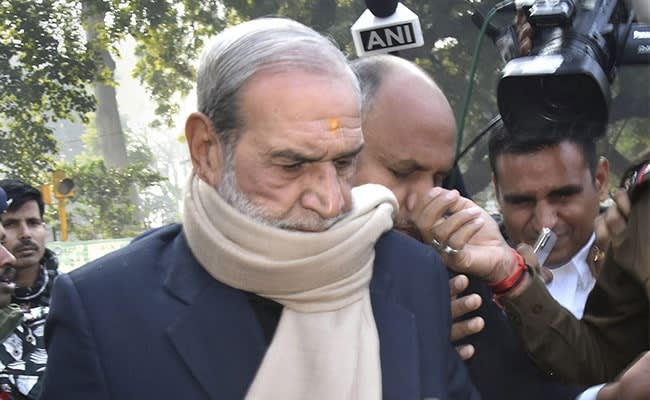
Former Congress leader Sajjan Kumar, who was serving a life sentence for his role in the 1984 anti-Sikh riots, has died in Delhi at the age of 80. His death follows a long legal battle that saw him convicted by the Delhi High Court in 2018.
The Passing of Sajjan Kumar: A Chapter in the 1984 Anti-Sikh Riots
Sajjan Kumar, a former Congress Member of Parliament whose political career became inextricably linked to the tragic events of 1984, has died at the age of 80. His passing was confirmed by his legal counsel, with authorities at Safdarjung Hospital in Delhi reporting that the former politician was brought to the facility already deceased. At the time of his death, Kumar was serving a life imprisonment sentence within Delhi's Tihar Jail, marking the end of a high-profile legal saga that spanned decades.
The 2018 Conviction and Legal Accountability
The legal turning point for Kumar arrived in 2018 when the Delhi High Court overturned his previous acquittal, finding him guilty of criminal conspiracy, promoting enmity, and committing acts prejudicial to communal harmony. This landmark ruling was a significant moment in the pursuit of justice for the families of victims of the 1984 riots. The court specifically sentenced him to life imprisonment for his direct involvement in the killing of five members of a Sikh family, a verdict that resonated deeply across the nation's judicial and political landscapes.
Historical Context: The 1984 Violence
To understand the gravity of the case, one must revisit the volatile atmosphere of October 1984. Following the assassination of former Prime Minister Indira Gandhi by her Sikh bodyguards on October 31, 1984, widespread anti-Sikh riots erupted across Delhi and other parts of India. Official records indicate that more than 2,700 Sikhs were killed during these four days of intense communal violence. The trauma of these events has remained a central theme in Indian socio-political discourse for nearly forty years.
Political Implications and Legacy
As a prominent Congress leader, Sajjan Kumar’s conviction and subsequent incarceration served as a focal point for critics and activists who long argued that justice had been delayed for the victims of the 1984 riots. His legal journey highlights the complexities of the Indian judicial system in addressing large-scale communal violence. The case remains a testament to the persistence of survivors and legal activists who sought to hold political figures accountable for their alleged roles in the state’s darkest chapters.
Broader Significance and Future Perspective
The death of Sajjan Kumar closes a significant chapter in India's legal history. While his death brings an end to his personal legal proceedings, the legacy of the 1984 riots continues to influence political narratives and communal relations. The persistence of these legal battles serves as a reminder of the enduring demand for accountability in instances of mass violence, ensuring that such events remain a subject of rigorous judicial and historical scrutiny for generations to come.
Verification Required?