Russia, Ukraine Swap 103 Prisoners of War Each in Latest Exchange Amid Ongoing War
Source Entity
Latest News: Todays Latest News Headlines from India & World | Hindustan Times | Hindustan Times
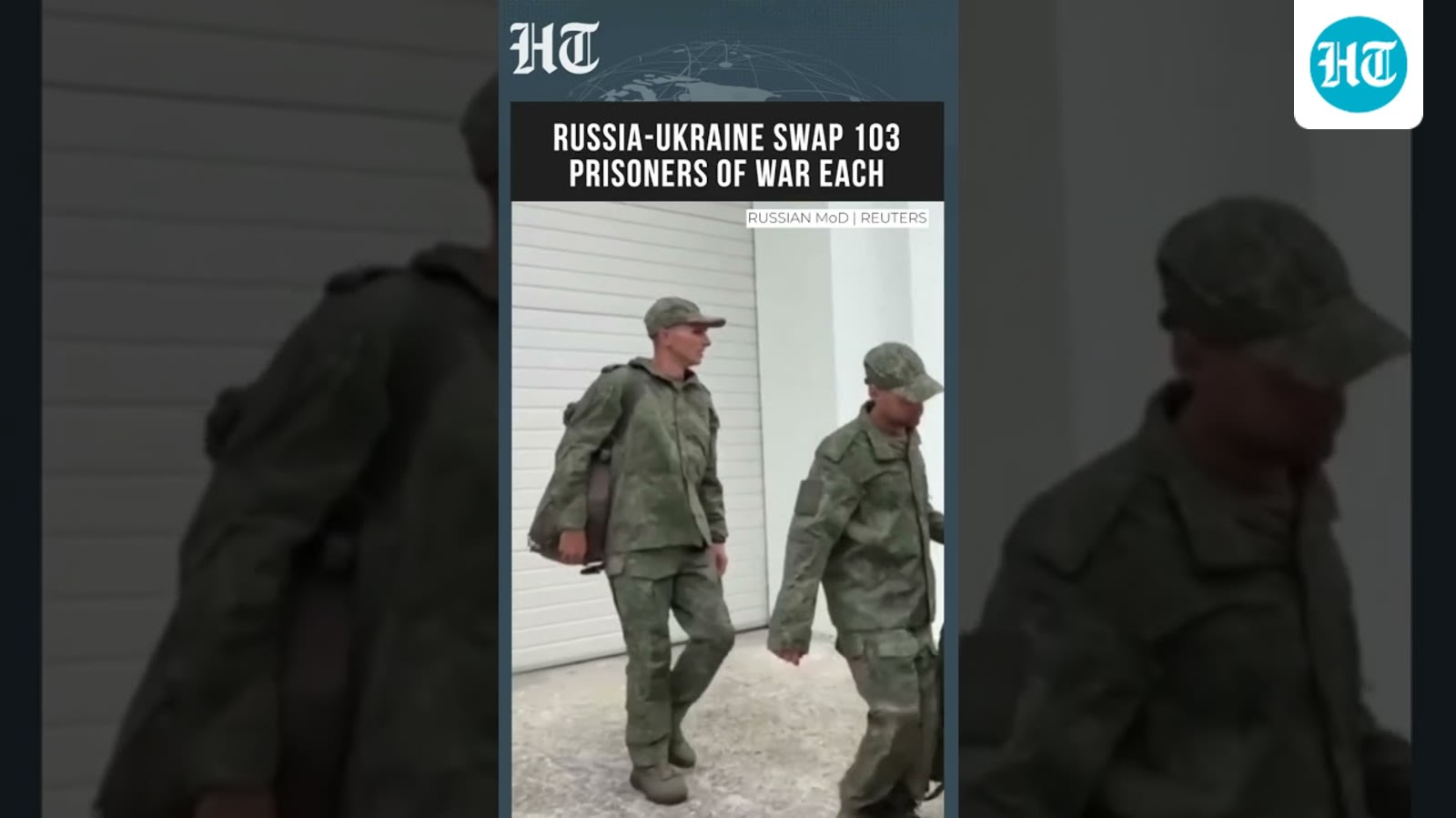
Russia and Ukraine successfully completed a prisoner exchange on Wednesday, with each nation returning 103 captured soldiers. This rare diplomatic cooperation marks a significant moment in the ongoing conflict between the two countries.
Analysis of the Russia-Ukraine Prisoner Exchange
A Rare Moment of Diplomatic Cooperation
On Wednesday, Russia and Ukraine executed a significant prisoner-of-war (POW) exchange, with each side returning 103 captured soldiers. This exchange represents a rare instance of direct cooperation between the two warring nations, serving as a humanitarian checkpoint amidst a conflict defined largely by its intensity and lack of diplomatic progress. By securing the release of over 200 personnel in total, both Moscow and Kyiv have demonstrated a pragmatic approach to personnel management that transcends the immediate battlefield hostilities.
The Mechanics of the Exchange
Prisoner swaps of this magnitude are logistically complex and require delicate, often back-channel negotiations. The return of 103 soldiers to each country suggests a structured agreement that likely involved third-party intermediaries or direct military-to-military communication. While the broader conflict continues to escalate, these exchanges serve as critical pressure-release valves, allowing both governments to address domestic concerns regarding the welfare of their captured service members.
Strategic and Humanitarian Implications
For both Russia and Ukraine, the return of soldiers is a significant political and social priority. Families on both sides of the border have been advocating for the return of their loved ones since the conflict began. While these swaps do not signal a ceasefire or a shift in the strategic military objectives of either nation, they highlight that even in the midst of total war, there remains a functional framework for limited, mutually beneficial cooperation.
Historical Context of POW Swaps
Throughout modern history, prisoner exchanges have often served as the first tentative steps toward broader de-escalation. While this specific event is limited in scope, it aligns with historical precedents where belligerent nations maintain communication channels specifically for the purpose of humanitarian relief. This exchange follows a pattern of intermittent swaps that have occurred throughout the duration of the Russia-Ukraine conflict, serving as a reminder that the conflict is not entirely devoid of diplomatic utility.
Future Outlook and Trends
Looking ahead, it is likely that both nations will continue to utilize prisoner exchanges as a tool to manage the human cost of the war. These events are often used to gauge the willingness of the opposing side to engage in dialogue. While this exchange is unlikely to lead to a cessation of hostilities, it provides a template for future humanitarian efforts. Observers should view these swaps as tactical necessities rather than precursors to a peace treaty, though they remain the most visible signs of ongoing communication between the two warring parties.
Verification Required?