Bengal hotel fires kill 17 in 48 hours: Data shows this was waiting to happen
Source Entity
Sweety Kumari
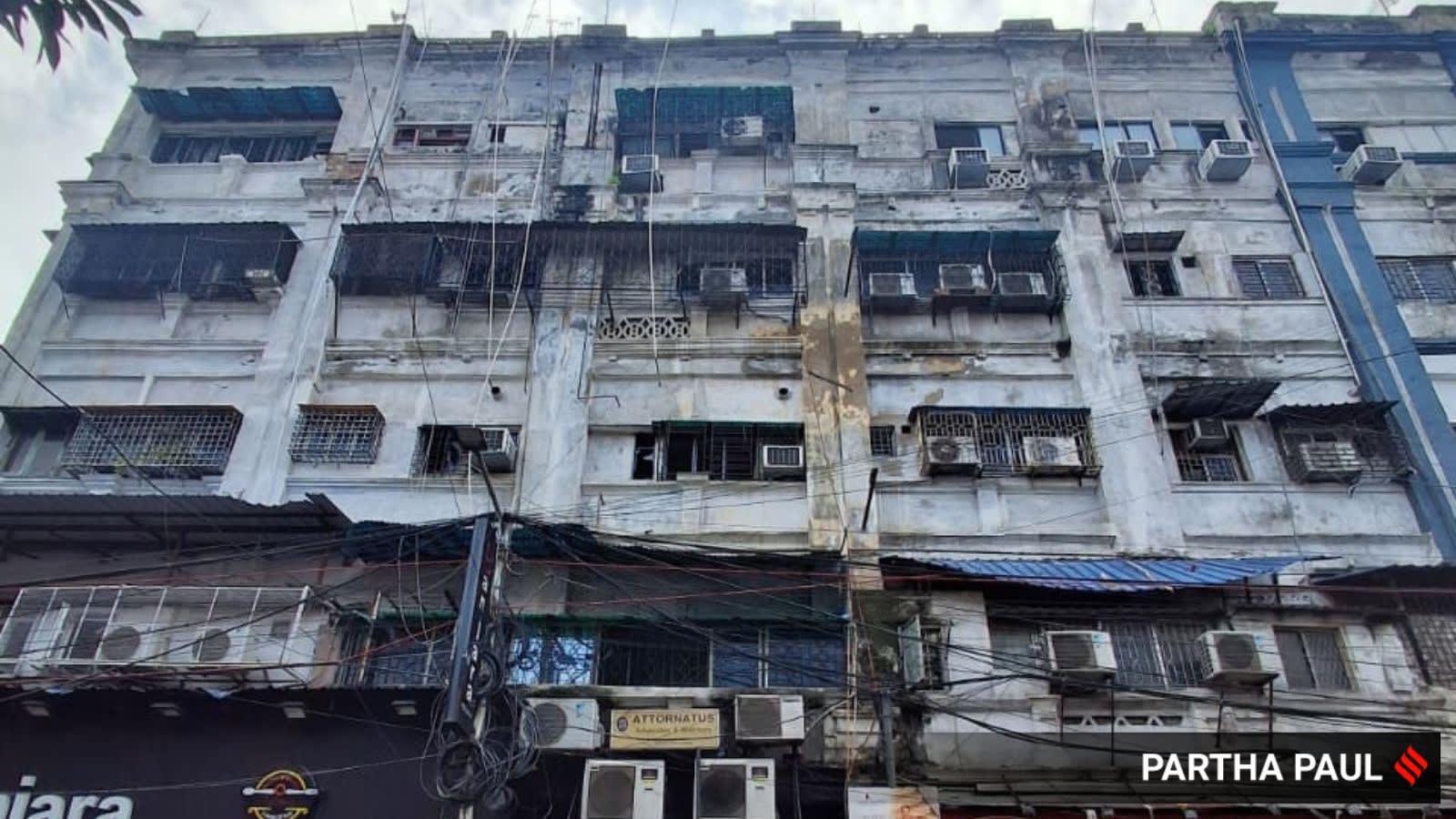
Two consecutive hotel fires in West Bengal have claimed 17 lives, highlighting severe safety lapses and administrative neglect. Investigations reveal a lack of fire alarms, blocked exits, and poor building infrastructure in aging structures.
A Pattern of Neglect: The West Bengal Hotel Tragedies
Within a span of just 48 hours, West Bengal has been rocked by two devastating hotel fires that have claimed a total of 17 lives. The most recent incident occurred at 2 am on Wednesday at Hotel Sikha Inn, located on the second floor of the Florence Mansion on Kolkata’s Mirza Ghalib Street. This tragedy resulted in nine fatalities, including medical tourists from Bangladesh. This catastrophe followed closely on the heels of a separate fire in Tarapith, Birbhum district, which claimed the lives of eight pilgrims. These dual tragedies serve as a grim indicator of systemic failures in fire safety compliance across the state.
The Anatomy of a Tinderbox
The building housing Hotel Sikha Inn, situated at 15, Mirza Ghalib Street, was described as a century-old five-storey structure that had become a virtual tinderbox. Cramped with over a dozen individual hotels, the building featured tiny, subdivided rooms and was characterized by hazardous infrastructure, including loosely hanging electrical wires. Perhaps most critically, the building’s windows were largely obstructed by permanent iron grills, preventing natural ventilation and emergency egress. The irony of the location—situated mere meters from the state fire services headquarters and the local municipal corporation—underscores the depth of the oversight.
Systemic Failures and Administrative Oversight
Survivors of the Kolkata blaze provided harrowing accounts, noting that they were alerted to the fire not by mechanical alarms, but by the screams of fellow occupants. The universal absence of functional fire alarms and the presence of locked or non-existent emergency exits have become recurring themes in both the Kolkata and Tarapith incidents. These reports align with the findings of a 2021 Comptroller and Auditor General (CAG) compliance audit, which previously highlighted administrative neglect within the West Bengal Fire and Emergency Services Department regarding fire safety regulations.
The Human Cost of Regulatory Lapses
The human toll of these fires is profound, with victims including a four-year-old child and two women. While the fire brigade’s prompt intervention successfully rescued approximately 80 other occupants, the loss of life remains a testament to the lack of proactive enforcement of safety codes. For many, including medical tourists seeking care in the city, these hotels represented a brief resting place that became a lethal trap due to the failure to mandate basic fire suppression systems.
Future Implications and Policy Reform
These events necessitate an urgent, comprehensive audit of all high-density hospitality buildings in West Bengal. The combination of aging infrastructure and the proliferation of small, unmonitored hotel operations creates a high-risk environment that current municipal oversight is clearly failing to manage. Moving forward, the state faces the challenge of retrofitting century-old buildings with modern fire suppression technology and enforcing strict occupancy limits to prevent such tragedies from becoming a recurring feature of urban life in Kolkata.
Multiple Citing Sources