Mud, slush accumulate in Uttarkashi tunnel due to seepage, raise safety concerns
Source Entity
Latest News: Todays Latest News Headlines from India & World | Hindustan Times | Hindustan Times
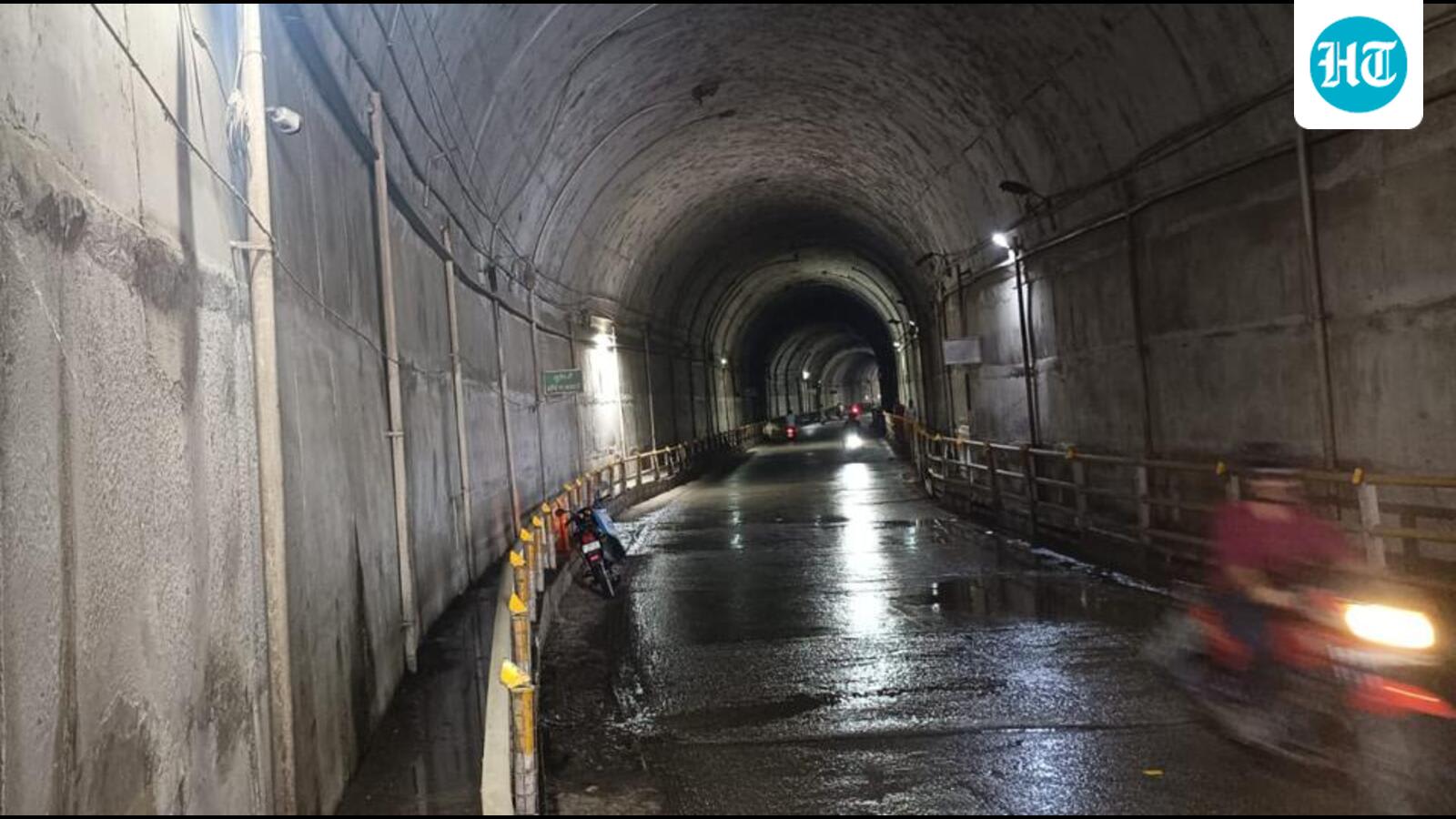
The death toll from the Chamoli tunnel incident has risen to 11 following the death of a worker at AIIMS Rishikesh. Concurrently, authorities are addressing safety concerns at the Tambakhani tunnel in Uttarkashi due to persistent seepage, prompting new magisterial inquiries into infrastructure standards.
Tragedy and Structural Instability: Uttarakhand's Tunnel Crisis
The recent developments in Uttarakhand highlight a harrowing intersection of industrial tragedy and systemic infrastructure challenges. The death toll from the August 13 incident at the THDC tunnel project in Chamoli has officially reached 11, following the passing of 20-year-old worker Rohit Pandey at AIIMS Rishikesh. This tragedy, caused by a rain-saturated aquifer rupturing through the tunnel roof, underscores the volatile geological conditions inherent in Himalayan construction projects.
Accountability and Compensation
In the wake of this loss, the THDC and Hindustan Construction Company have announced a collective compensation of ₹11 lakh. While financial aid provides immediate relief to the families of the victims, the Chamoli district administration has taken a more systemic approach by ordering a formal magisterial inquiry. This investigation, overseen by the Sub-Divisional Magistrate, aims to scrutinize safety protocols and construction standards, with a mandate to submit findings within 15 days. This move represents a critical attempt to establish accountability for the structural failures that led to the inundation of the three-kilometer tunnel.
The Tambakhani Tunnel: A Pattern of Seepage
Beyond the tragedy in Chamoli, concerns regarding structural integrity have surfaced at the Tambakhani tunnel in Uttarkashi. Unlike the sudden rupture in Chamoli, the Tambakhani tunnel—constructed in 2013 at a cost of ₹19 crore—has suffered from persistent water seepage since its inception. The accumulation of mud and slush along the pedestrian walkway now poses a direct safety risk to residents and pilgrims traveling toward Gangotri, highlighting the long-term maintenance hurdles facing infrastructure in this seismic zone.
Engineering Challenges in the Himalayas
These incidents reflect the broader difficulties of engineering in the ecologically sensitive and geologically active Himalayan region. The Border Roads Organisation (BRO), which recently assumed management of the Tambakhani tunnel, has sought specialized technical intervention to conduct a comprehensive hydrological and engineering study. This suggests a growing recognition that legacy maintenance and standard construction practices may be insufficient to combat the region's complex water-table dynamics and soil saturation levels.
Future Implications and Safety Standards
Moving forward, the results of the Chamoli magisterial inquiry will likely serve as a blueprint for future safety regulations in the state. If the investigation identifies significant lapses in geological assessment or safety management, it could necessitate a paradigm shift in how tunnel projects are approved and monitored in Uttarakhand. As the region continues to develop its connectivity, balancing the need for infrastructure with the realities of a shifting, water-heavy landscape remains the primary challenge for both state and central agencies.
Conclusion
The dual focus on the tragic loss of life in Chamoli and the ongoing structural issues in Uttarkashi underscores a critical period for Uttarakhand’s infrastructure. With official inquiries underway and specialized studies being commissioned for older assets, the state is under pressure to move beyond reactive measures. Ensuring the safety of workers and the public will require rigorous adherence to engineering standards that account for the unique, often unpredictable, environmental pressures of the Himalayan mountain range.
Multiple Citing Sources
Verification Required?