Unnao residential school students block road, protest teacher shortage, poor facilities
Source Entity
Latest News: Todays Latest News Headlines from India & World | Hindustan Times | Hindustan Times
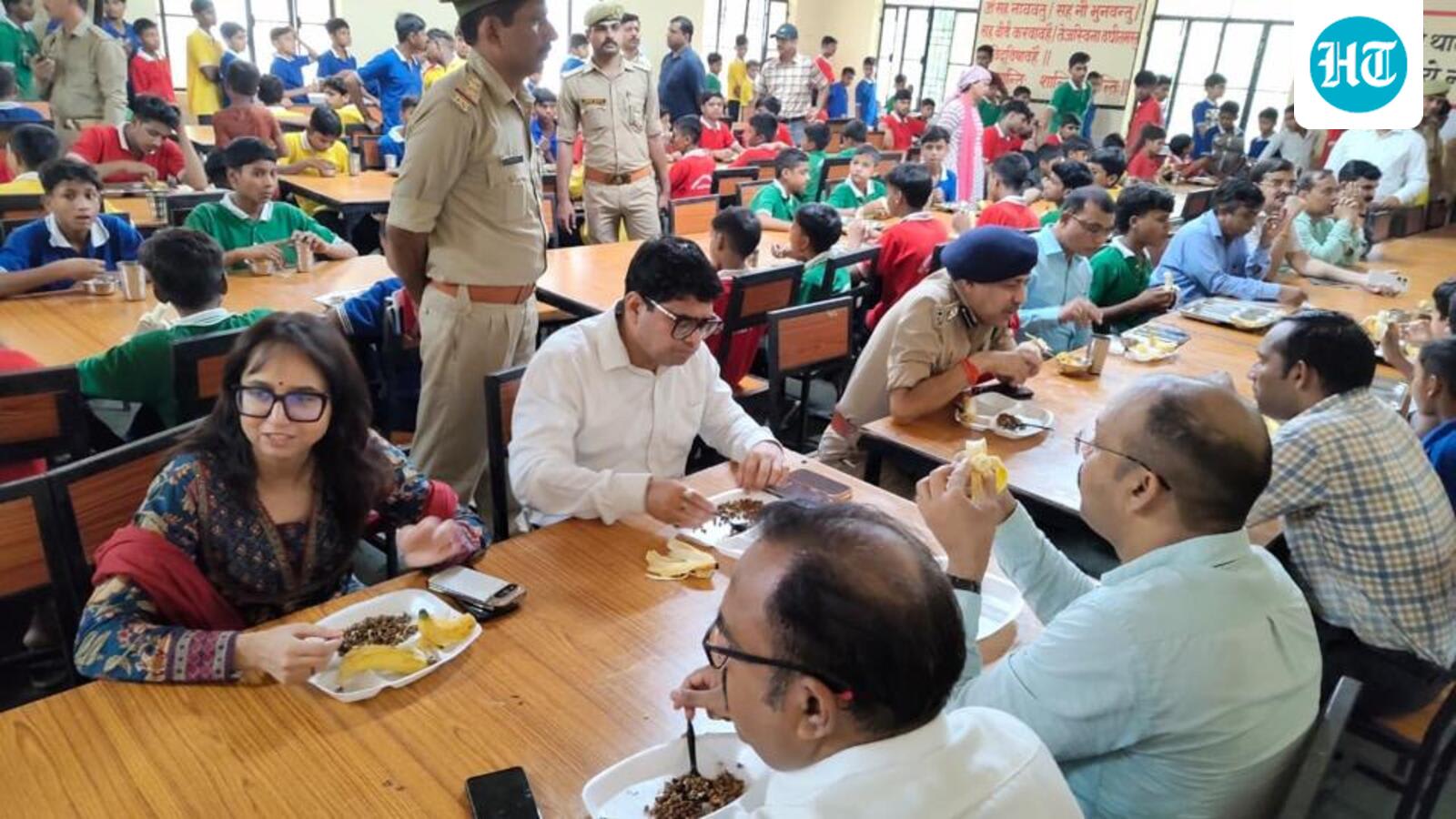
Students at the Jai Prakash Narayan Sarvodaya residential school in Unnao staged a road protest over teacher shortages and poor facility conditions. Local authorities, including the DM and SP, intervened to restore order and promised to address the students' grievances.
Student Protest in Unnao: A Crisis of Educational Infrastructure
On Wednesday morning, the academic environment at the Jai Prakash Narayan Sarvodaya residential school in Niyotani, Unnao, reached a breaking point. Over 200 students took to the Mohan-Bangarmau road, staging a blockade at the Mohan trisection to voice their grievances. This act of public protest was driven by long-standing frustrations regarding the lack of subject teachers, poor-quality food, and inadequate basic facilities, which students claim have severely hampered their educational progress.
The Impact of Teacher Shortages
At the core of the students' protest is the allegation that several subject teachers have not been posted at the school for years. In a residential setting, where students rely entirely on the institution for their academic curriculum, the absence of specialized faculty is catastrophic. The students have explicitly stated that this chronic shortage has left their syllabus incomplete, creating a direct barrier to their academic success and future prospects. This highlights a systemic failure in human resource allocation within state-run residential institutions.
Beyond Academics: Basic Living Conditions
While the teacher shortage remains the primary academic concern, the protest also shed light on the deteriorating quality of life within the school premises. Students reported grievances regarding the quality of food and the insufficiency of basic facilities. For residential schools, which are designed to provide a comprehensive support system for students, the failure to provide adequate nutrition and infrastructure directly contravenes the fundamental purpose of the institution, forcing students to seek redress through public disruption.
Administrative Intervention
Recognizing the severity of the situation and the disruption caused to the local traffic flow, Unnao District Magistrate (DM) Ghanshyam Meena and Superintendent of Police (SP) Jai Prakash Singh arrived at the scene. In a gesture aimed at de-escalating the tension, the officials shared breakfast with the students. This direct engagement was used as a platform to listen to the grievances of the students, with the officials providing verbal assurances that the systemic issues would be investigated and addressed.
Broader Implications and Future Outlook
This incident serves as a stark reminder of the challenges facing rural educational infrastructure in India. When students feel compelled to block major arterial roads to demand basic necessities like teachers and food, it indicates a breakdown in the communication channels between the administration and the student body. Moving forward, the effectiveness of the officials' promises will be measured by the speed of faculty recruitment and the tangible improvements in facility management at the Jai Prakash Narayan Sarvodaya school. Failure to act risks further unrest and highlights the necessity for proactive maintenance of educational standards in government-run residential facilities.
Verification Required?