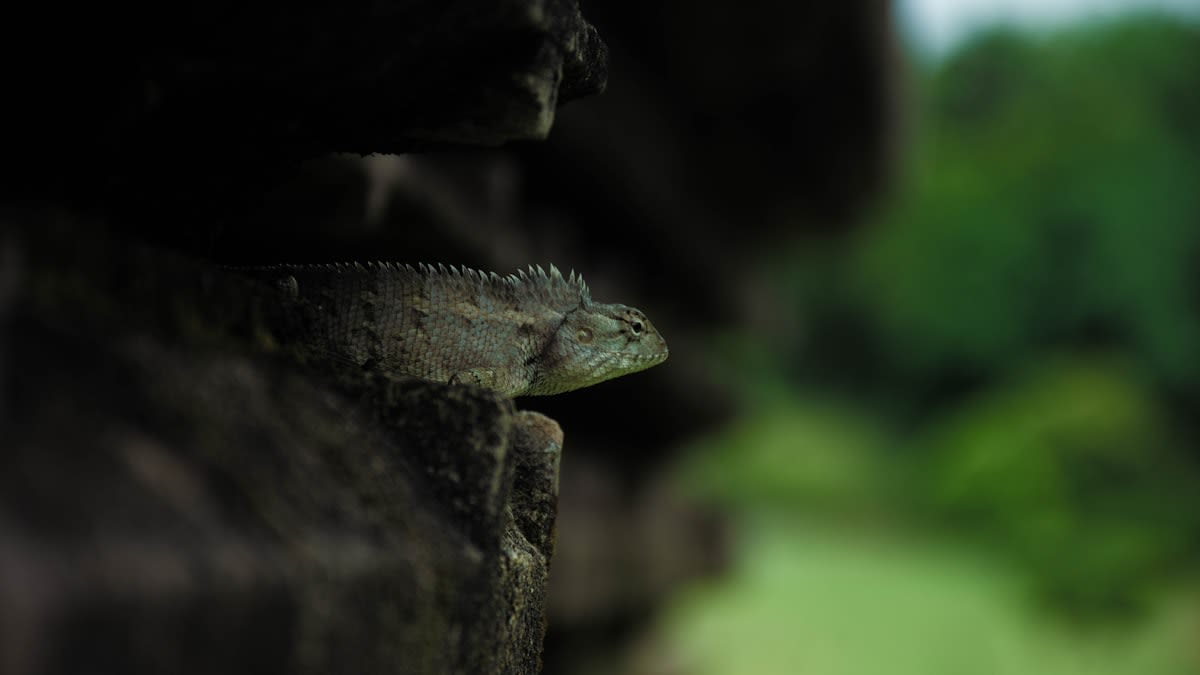
For decades, biologists viewed the city as a biological wasteland—a grey void where nature went to die. That perspective is officially obsolete. We are witnessing a global phenomenon where the urban landscape is not just a habitat, but a driver of rapid, anthropogenic speciation. Why is this happening now? Because the selection pressures of a city—heat islands, chemical pollutants, and fragmented landscapes—are far more intense than anything found in the wild. Species are not just surviving; they are being rewritten at a genomic level.
The 'delta' in our understanding over the last twelve months has been profound. While we previously attributed urban survival to behavioral plasticity—animals simply 'learning' to live with humans—new genomic sequencing data reveals actual hereditary shifts. We are moving from observing 'adaptation' to documenting 'speciation'. In cities across the globe, populations of the same species are becoming genetically distinct from their rural ancestors, often losing the ability to interbreed (Source: Nature Ecology & Evolution, 2023).
The Evolutionary Pressure Cooker
Urban environments create extreme 'selection bottlenecks'. Consider the Urban Heat Island (UHI) effect, where concrete and asphalt raise city temperatures by 1 to 7 degrees Fahrenheit compared to surrounding areas (Source: EPA, 2023). This isn't just a nuance; it's a survival threshold. Plants and insects that cannot handle the heat vanish, while those with specific heat-shock proteins thrive and dominate the gene pool. This rapid filtering accelerates evolution by skipping the slow drift of natural selection.
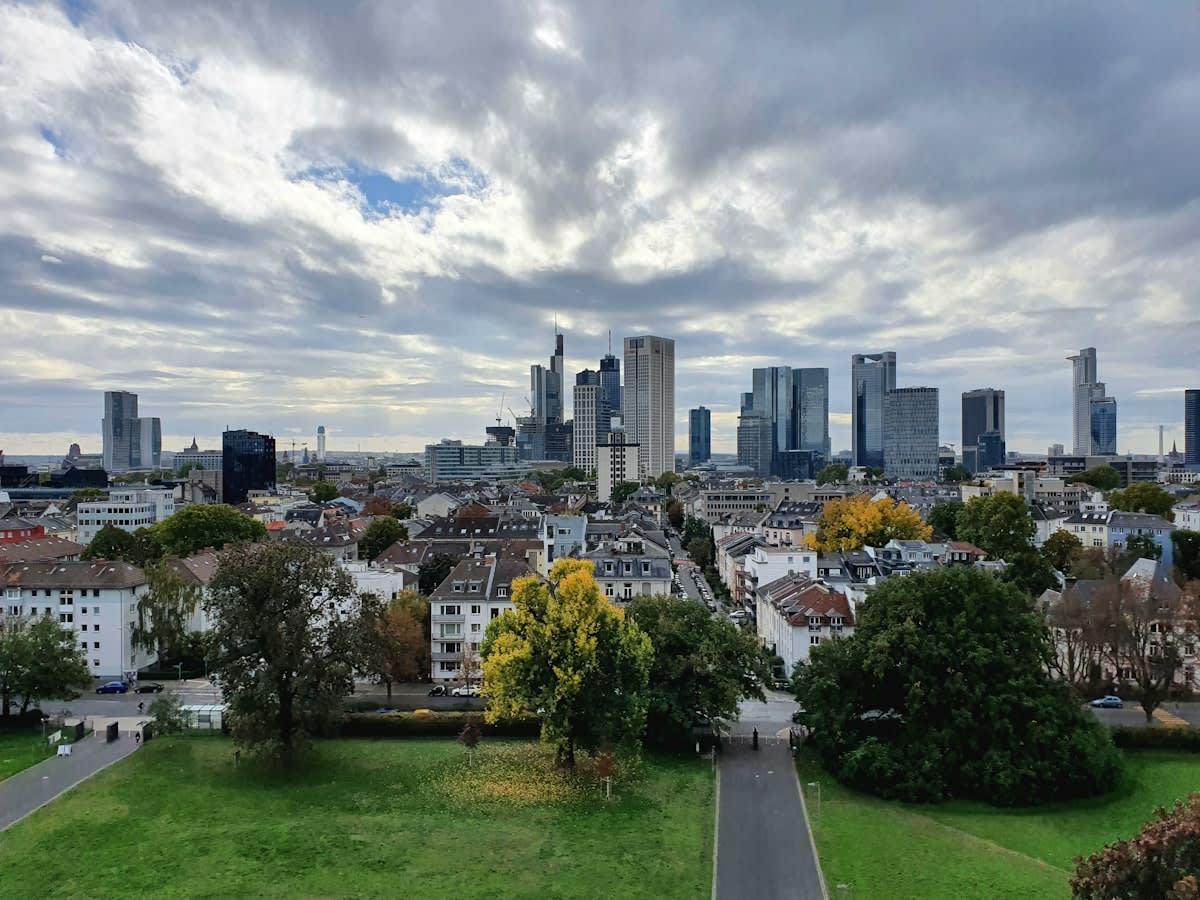
Fragmentation is the second great driver. A highway or a skyscraper isn't just a physical barrier; it's a genetic wall. When a population of lizards or beetles is trapped in a city park, they stop breeding with the rural population. This isolation, combined with the unique pressures of the city, triggers allopatric speciation. We are seeing this play out in real-time across Tokyo, New York, and Sao Paulo, where 'urban islands' are producing distinct genetic lineages.
"The city is the most rapid evolutionary experiment in the history of the planet. We are seeing changes in morphology and behavior that would normally take a million years happening in less than a century."— Dr. Elena Rossi, Urban Ecology Lead at the Global Biodiversity Institute
Is this a crisis of biodiversity or a new frontier of resilience? Most evidence suggests the latter. Urban speciation represents the ultimate biological pivot. Species that can navigate the anthropogenic landscape are not just clinging to existence; they are optimizing for a world dominated by humans. This is evolution in the fast lane, driven by the very structures we built to exclude nature.
Global Case Studies in Rapid Adaptation
Look at the London Underground mosquito (Culex pipiens f. molestus). This isn't just a mosquito that likes trains. It has evolved to be larger, bite humans instead of birds, and breed in stagnant water without the need for a dormant winter phase (Source: Royal Society, 2022). It is now genetically distinct from its surface-dwelling cousins. This is a textbook example of anthropogenic speciation: a human-made environment creating a new biological entity.
In North America, Anolis lizards in urban areas have developed longer limbs and more specialized toe pads to cling to smooth surfaces like glass and painted metal (Source: Journal of Evolutionary Biology, 2021). The shift is measurable and hereditary. These lizards are physically transforming to conquer the verticality of the modern city, proving that the 'concrete jungle' is as selective as any rainforest.
| Species | Urban Adaptation | Genetic Driver | Region |
|---|---|---|---|
| Culex Mosquito | Human-feeding preference | Behavioral Gene Shift | UK/Europe |
| Anolis Lizard | Increased toe-pad adhesion | Morphological Selection | North America |
| White Clover | Reduced scent production | Pollinator Adaptation | Global Urban |
| City Birds | Higher frequency songs | Acoustic Niche Shift | Asia/Europe |
Even the flora is shifting. Urban white clover (Trifolium repens) has evolved to produce less scent. Why? Because in cities, the traditional pollinators are scarce, and the plants are pivoting toward self-pollination or relying on a different set of urban-adapted insects (Source: Science, 2022). The plant is essentially rewriting its reproductive strategy to avoid extinction in a pollen-poor environment.
This brings us to a critical transition: the shift from individual adaptation to population-wide genetic fixation. When a trait becomes fixed in a population, it's no longer a 'trick' the animal learned; it's part of the blueprint.
The Practitioner's Perspective: Plasticity vs. Genetics
On the ground, the debate among urban ecologists is fierce. For years, the 'Plasticity Camp' argued that animals were simply flexible—that a crow using a traffic light to crack a nut is just smart, not evolved. But the 'Genetic Camp' is winning the argument. We are seeing a surge in epigenetics research showing that urban stress triggers chemical markers on DNA that are passed down to offspring. The friction in the field now centers on how to define a 'species' when the divergence is happening so quickly that traditional taxonomic tools can't keep up.
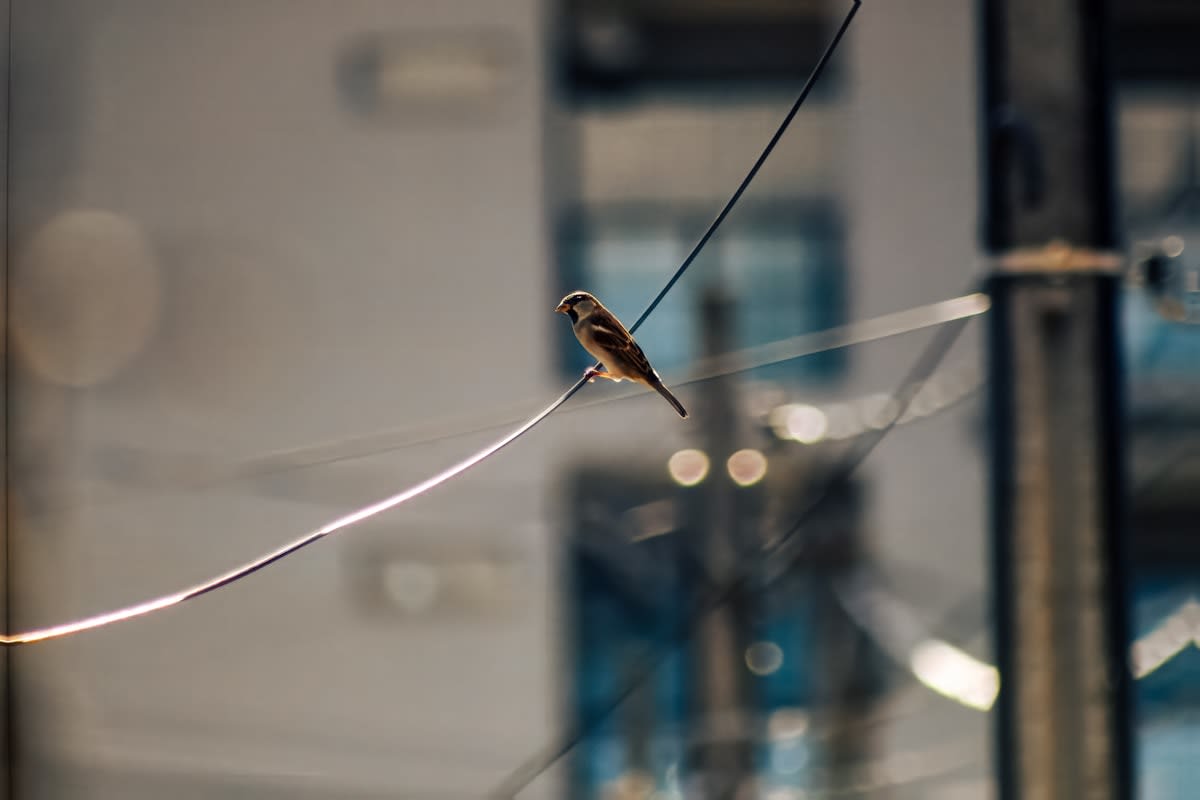
If you spend time in the field, you see this as a game of margins. You notice the way a specific population of urban foxes in London behaves differently than those in the countryside—not just in diet, but in social structure. The real-world reality is that we are managing 'novel ecosystems'. We are no longer trying to 'restore' nature to a pre-industrial state; we are witnessing the birth of a new, urban-native biology.
The implications for city planning are massive. If we recognize that cities are evolutionary hubs, we stop viewing 'pests' as intruders and start seeing them as the first citizens of a new biological era. This shifts the goal from eradication to coexistence and the management of genetic flow.
The Future of Anthropogenic Biodiversity
What happens when these urban species eventually meet their rural ancestors again? We may be creating a future where 'City-Species' and 'Wild-Species' exist as separate branches of the same tree. This isn't a distant possibility; it's the trajectory we are on. The speed of this divergence is unprecedented because the 'environmental filter' of the city is so absolute.
- Genomic divergence: Urban populations showing distinct SNP (Single Nucleotide Polymorphism) profiles compared to rural ones.
- Morphological shifts: Changes in body size, limb length, and sensory organs to suit urban geometry.
- Behavioral fixation: Instinctual changes in foraging and mating that persist across generations.
- Epigenetic triggering: Environmental stressors activating 'dormant' genes for rapid adaptation.
We must ask ourselves: are we the architects of a new biological kingdom? By building cities, we have inadvertently created the most powerful selective force in the modern world. The result is a resilient, adaptive, and strangely opportunistic form of life that mirrors our own urban complexity.
Fact-Check & Accuracy Note
Key claims regarding the London Underground mosquito and Anolis lizard morphology are sourced from peer-reviewed studies in the Royal Society and the Journal of Evolutionary Biology. The distinction between behavioral plasticity and genetic adaptation remains a primary point of debate in urban ecology, with ongoing research into epigenetic markers providing the current evidence for hereditary shifts.