
The End of the Voluntary Patient
For decades, public health has relied on a fragile contract of voluntary reporting. We waited for patients to feel sick, decide to seek care, and then accurately report their symptoms to a clinician. This model is fundamentally flawed because it captures only the visible tip of the iceberg. It ignores the asymptomatic, the uninsured, and those who simply distrust the medical establishment. Why rely on the whims of individual behavior when the city itself is leaking the data we need? The shift toward wastewater surveillance represents a move from asking questions to listening to the biological output of the collective.
In regions like Vermont, health officials are already leveraging this shift to understand disease trends without requiring a single clinic visit. By monitoring wastewater, they can detect the start of seasonal viruses or identify when a spread is finally slowing down. This is not just about tracking a single pathogen; it is about establishing a community-level perspective. It transforms the sewer system into a massive, passive diagnostic tool that operates 24 hours a day, regardless of whether people are showing symptoms or choosing to get tested.
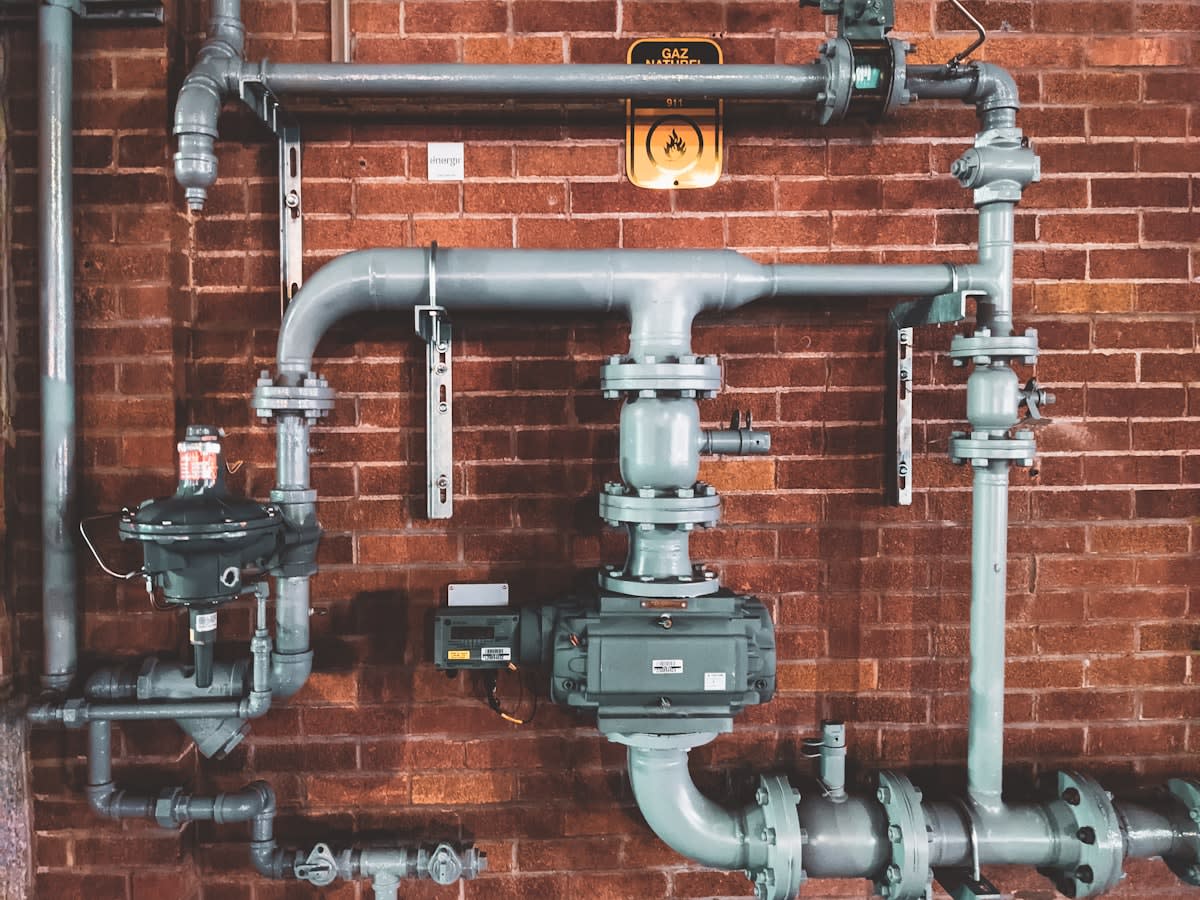
The strategic advantage here is the population-level signal. Unlike a clinical test, which provides a snapshot of one individual, wastewater provides a composite image of thousands. This allows scientists to spot broader viral movements early, often before hospitals feel the surge of patients. It is the difference between hearing a single alarm bell and seeing a heat map of a growing fire. This capability turns the tide from reactive crisis management to proactive urban resilience.
"Wastewater surveillance is becoming one of the quietest powerful tools in public health. It can detect pathogens across communities before hospitals fully feel the surge."— It's Science, Public Health Tech Analysis
However, this biological audit reveals more than just viruses; it reveals the gaps in our systemic coordination. The transition to this new form of surveillance has not been seamless.
The Coordination Gap: Systemic Fragmentation
Technology often outpaces governance. While the science of wastewater monitoring has matured, the administrative structures required to manage it remain archaic. A report from the GAO highlights a critical systemic failure: no single federal agency possesses the authority to coordinate disease surveillance across the government. This fragmentation is not a mere bureaucratic annoyance; it is a strategic liability. When surveillance is siloed, the detection of new disease threats is slowed, creating blind spots that pathogens are all too happy to exploit.
| Metric | Traditional Clinical Surveillance | Wastewater Surveillance |
|---|---|---|
| Data Acquisition | Active/Voluntary (Patient visits) | Passive/Automatic (Sewage flow) |
| Signal Type | Individual-centric | Population-level |
| Timing | Lagged (Symptom onset to test) | Early Warning (Pre-symptomatic) |
| Participation | Requires healthcare access | Universal (for connected residents) |
This lack of centralized authority means that the 'invisible census' is currently a patchwork of local initiatives rather than a unified global shield. We see high-functioning programs in some jurisdictions and total darkness in others. The risk is that we are building a high-tech radar system but leaving the control panels in different rooms, managed by people who aren't speaking the same language. Until coordination is mandated, the speed of detection will always be limited by the slowest link in the administrative chain.
Beyond the administrative failures, we must confront the physical limitations of the infrastructure itself.
The Architecture of Exclusion
The biological audit is only as good as the pipes it monitors. There is a dangerous assumption that wastewater surveillance is universal, but the data reveals significant blind spots. People utilizing septic systems are entirely absent from the signal. Similarly, those using disposable diapers or those connected to water treatment facilities that refuse to participate in monitoring programs remain invisible. This creates a skewed data set where the urban core is mapped in high resolution, while the rural and marginalized peripheries remain ghosts in the machine.
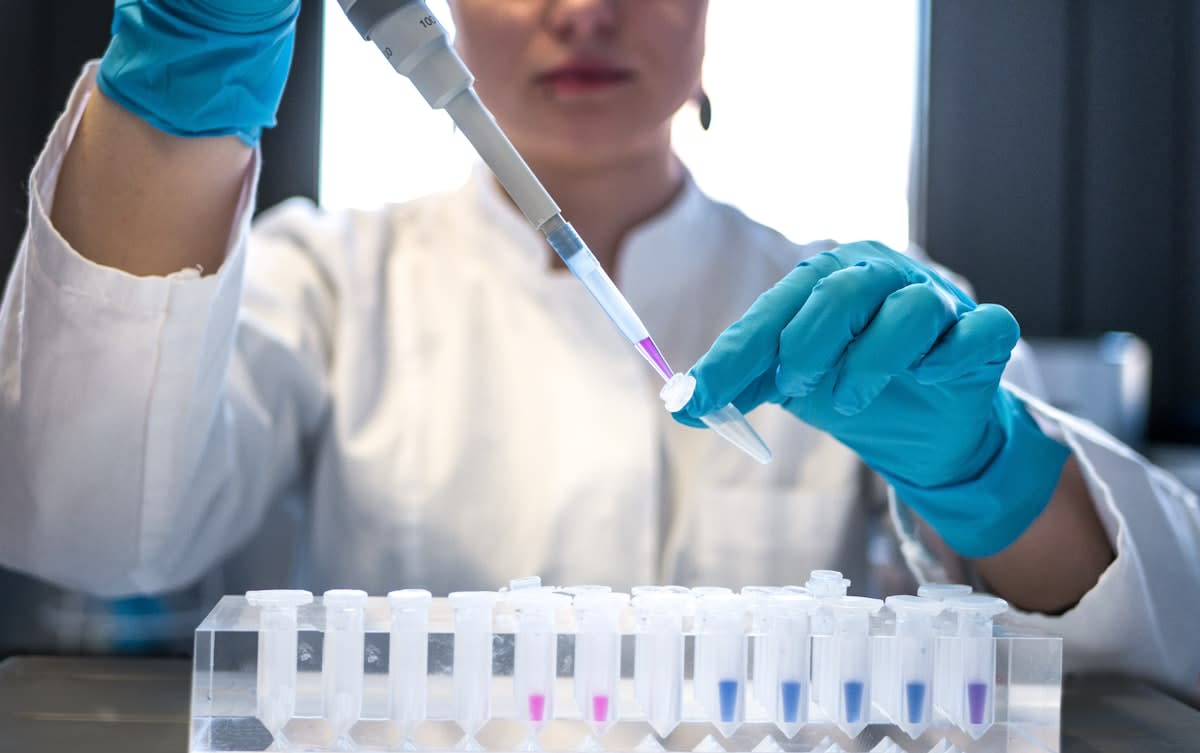
Does this mean the data is useless? No. But it means it must be interpreted with a critical eye. When health officials in Vermont look at their samples, they are seeing a representation of a specific subset of the population. The 'Invisible Census' is, in fact, partially blind. If we rely solely on these signals to allocate resources or trigger lockdowns, we risk ignoring the outbreaks happening in the septic-tank communities that the system cannot see. The tool is powerful, but it is not omniscient.
This technical limitation leads us directly into the most volatile aspect of the technology: the erosion of trust.
The Privacy Paradox: Safety vs. Surveillance
There is a seductive quality to non-invasive monitoring. Because no one is being swabbed and no one is filling out a form, proponents argue that wastewater surveillance is a privacy-preserving miracle. But this is a strategic miscalculation. The controversy is not about the individual, but about the habit. Once we accept the premise that the state can monitor the biological output of a neighborhood to track a virus, what stops that monitoring from expanding? The transition from emergency health tools to permanent surveillance habits is a short step.
The Surveillance Trade-off
The core tension lies in the collision between public-health speed and civil-liberty caution. The faster we want the warning, the more invisible monitoring we must tolerate.
We are essentially trading a degree of biological anonymity for an increase in systemic reaction speed. In a world of rapidly evolving pathogens, this trade seems logical. However, history suggests that tools created for crises rarely disappear once the crisis ends. The 'quiet power' of wastewater surveillance is exactly what makes it unsettling; it operates in the background, unnoticed and unquestioned, until the infrastructure of monitoring becomes an immutable part of urban life.
Ultimately, the biological audit is not just a scientific achievement; it is a mirror reflecting our societal priorities. We are choosing to prioritize the signal over the individual, and the collective trend over the personal encounter. This is an adaptation to a new era of global connectivity where the speed of a virus exceeds the speed of a doctor's appointment.
The path forward requires more than just better sensors or more pipes. It requires a coordinated federal framework—as suggested by the GAO's findings—and a transparent social contract. If we are to map the secret rhythms of urban life, we must do so with the knowledge that the map is incomplete and the watcher is not always benevolent. The invisible census is here; the question is whether we are the ones being counted or the ones doing the counting.