From Vikramarkudu to Irumudi: Ravi Teja and the father who fights for his daughter
Source Entity
Yashaswini Sri
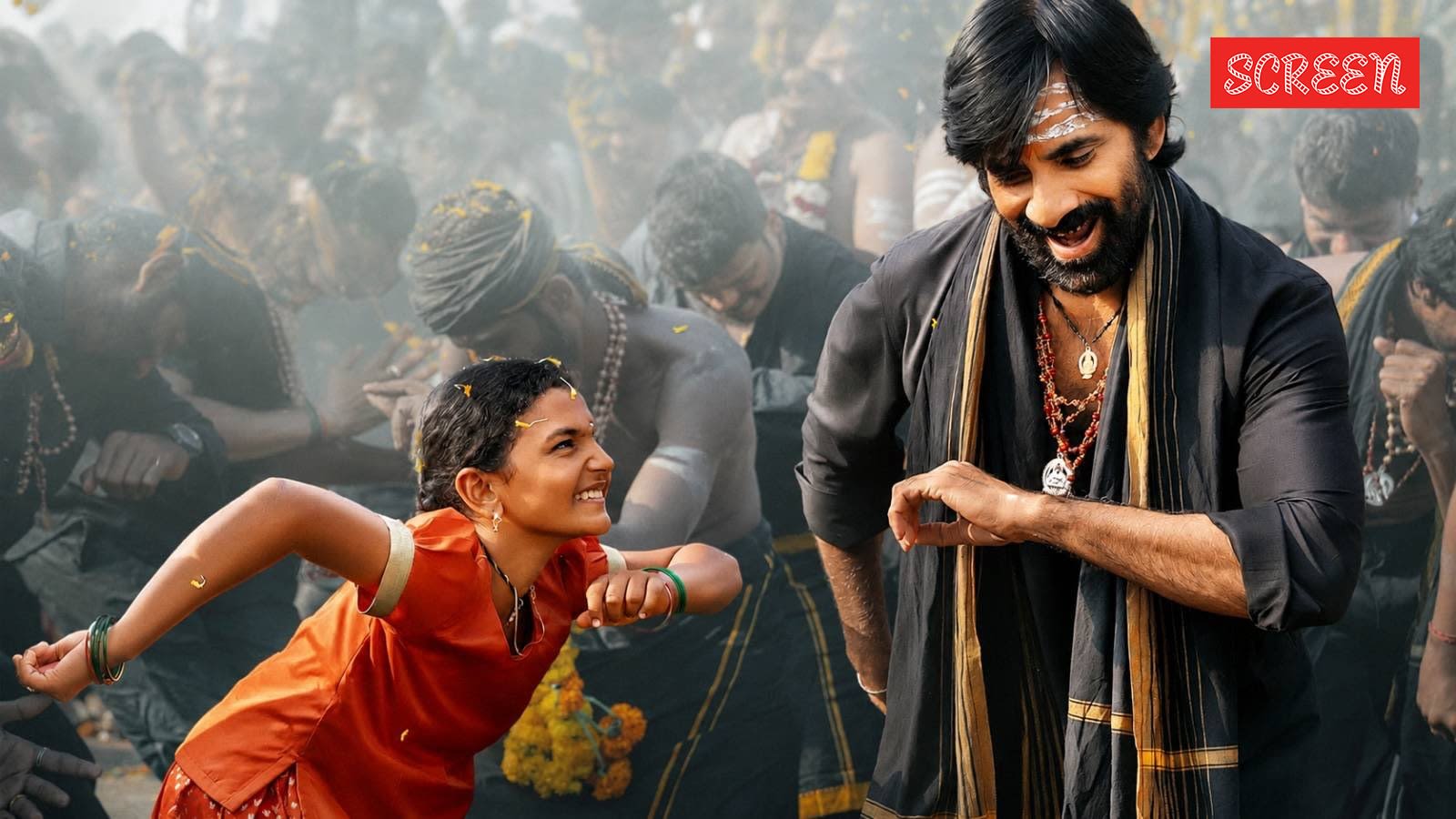
Actor Ravi Teja is returning to the emotional archetype of a protective father in his upcoming film Irumudi. This mirrors his iconic performance in the 2006 film Vikramarkudu, marking a thematic evolution in his 25-year career.
The Evolution of Ravi Teja: From Mass Hero to Emotional Anchor
For over 25 years and across an impressive filmography of 77 titles, Ravi Teja has established himself as the quintessential 'Mass Maharaja' of Telugu cinema. Known for his high-energy performances, rapid-fire dialogue delivery, and penchant for playing larger-than-life characters ranging from hardened gangsters to cunning con men, Teja has long defined the commercial action genre. However, beneath the veneer of high-octane stunts and comedic timing lies a performer capable of profound emotional resonance, a quality that continues to define his career trajectory.
The Legacy of Vikramarkudu
The turning point in how audiences perceived Teja’s range occurred in 2006 under the direction of SS Rajamouli. In Vikramarkudu, Rajamouli famously tempered Teja’s hyperactive screen persona by placing him in the role of a father figure to a young child. The sequence featuring the lullaby 'Jo Laali' remains a touchstone for Telugu cinema fans, proving that Teja’s ability to anchor a film emotionally is just as potent as his ability to lead an action sequence. This performance challenged the industry's perception of him, proving he could balance the grit of a vigilante with the tenderness of a guardian.
Revisiting the Father-Daughter Trope in Irumudi
With the release of Irumudi, Ravi Teja is set to revisit this specific emotional territory. While the film promises a different narrative, a new director, and elevated stakes, the core thematic thread remains consistent: a man forced to transcend his own limitations to protect a child. This trope functions as a powerful storytelling device, allowing the audience to see a character transformation that is rooted in vulnerability rather than just physical prowess. By choosing to revisit this dynamic, Teja is leaning into a character archetype that requires a blend of domestic sensitivity and protective ferocity.
The Archetype of the Reluctant Protector
Across cinema history, the 'reluctant protector' father figure serves to humanize protagonists who might otherwise be viewed as morally ambiguous. When a character like Teja’s—often a thief or a rogue—is tasked with the safety of a daughter, it forces a shift in his moral compass. The narrative arc moves from self-preservation to self-sacrifice, providing a mirror to the audience’s own values. This shift is essential for sustaining long-term interest in an actor who has already mastered the standard action hero blueprint.
Broader Implications for Telugu Cinema
The return to this narrative structure signifies a maturity in the roles being offered to established stars. As actors like Ravi Teja move further into their careers, the industry increasingly relies on these 'father-daughter' narratives to bridge the gap between mass-market appeal and meaningful storytelling. This trend suggests a future where high-budget action films are increasingly grounded in emotional stakes, ensuring that the spectacle of the film is matched by the gravity of its interpersonal relationships.
Conclusion
As Ravi Teja steps into the role of the protective father in Irumudi, he is not merely repeating a past success; he is evolving it. By mining the same emotional depth that made his 2006 performance in Vikramarkudu a classic, he is demonstrating that even the most energetic stars can find their most impactful moments in the quiet, protective bonds of the characters they portray. This upcoming release serves as a testament to his enduring relevance in an industry that demands both constant evolution and the preservation of classic, resonant themes.