US Body Seeks Sanctions On RSS Ahead Of Mohan Bhagwat's New York Visit
Source Entity
NDTV News Search Records Found 1000
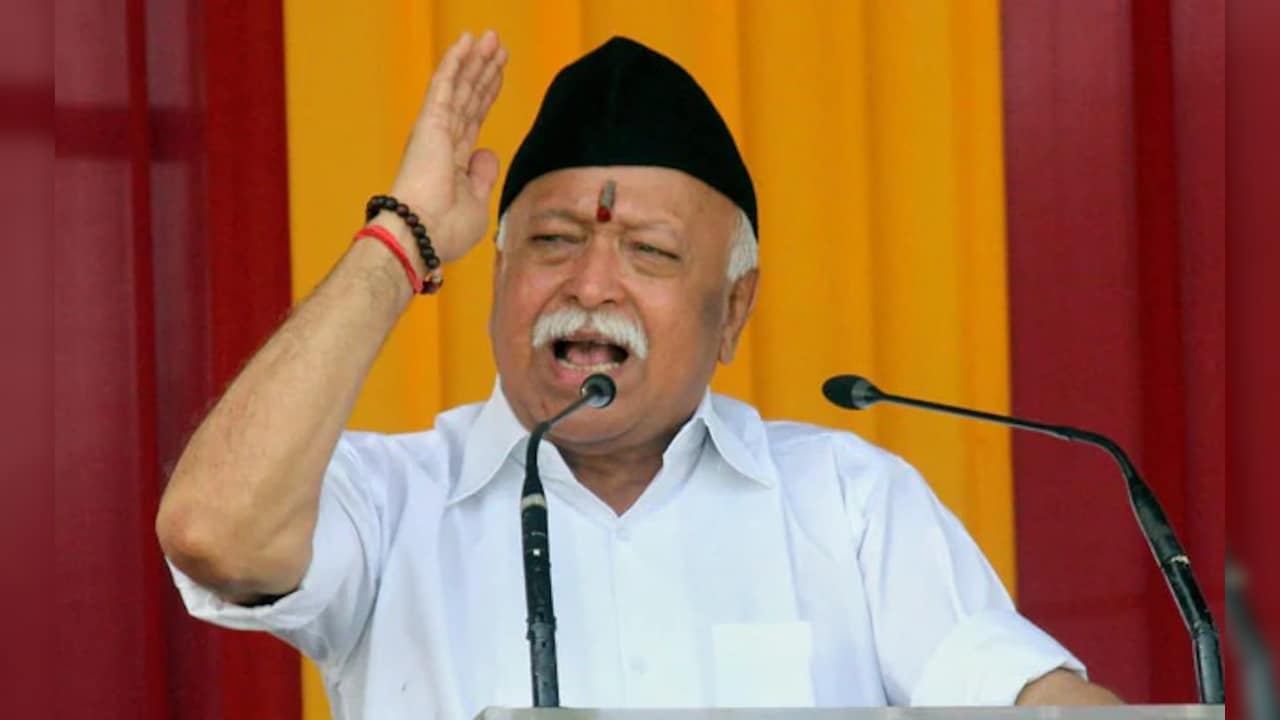
The U.S. Commission on International Religious Freedom (USCIRF) has called for sanctions against the RSS ahead of Mohan Bhagwat's upcoming three-nation tour. Conversely, 100 community groups have petitioned Canada to allow the visit, highlighting the deep polarization surrounding the tour.
Diplomatic and Social Tensions Surrounding the RSS Chief's Visit
The Impending International Tour
Mohan Bhagwat, the chief of the Rashtriya Swayamsevak Sangh (RSS), is scheduled to embark on a three-nation diplomatic and organizational tour beginning August 25. The itinerary includes visits to the United States, Canada, and the United Kingdom. Central to this tour is his participation in the 'Universal Oneness Celebrations' in New York, scheduled for August 29, an event organized by the group 'American Hindus for Engagement and Dialogue' (AHEAD).
USCIRF's Stance and Calls for Sanctions
As the tour approaches, the United States Commission on International Religious Freedom (USCIRF) has adopted a firm stance against the visit. USCIRF officials have formally urged the U.S. government to refrain from extending diplomatic courtesies or conducting high-level meetings with RSS leadership. Furthermore, Commissioner Gene Mills and Chair Asif Mahmood have advocated for the imposition of sanctions against the organization. The commission characterizes the RSS as an umbrella entity whose affiliated groups have been linked to instances of violence against religious minorities in India.
Counter-Arguments from Pro-Visit Advocacy Groups
In contrast to the position held by the USCIRF, a coalition of 100 diverse groups has emerged to support the visit. These organizations have petitioned the Canadian government to reject any calls for blocking Bhagwat’s entry. Their argument is rooted in the assertion that the visit holds 'considerable interest' for Canada’s Hindu community, framing the tour as a vital opportunity for cultural and community engagement rather than a political provocation.
Broader Geopolitical Implications
This situation highlights the complex intersection of transnational religious activism and international diplomacy. The request for sanctions from a U.S. federal advisory body signals a growing scrutiny of the RSS on the global stage. By linking the organization to concerns over religious freedom, the USCIRF is effectively placing the visit within the context of human rights discourse, which complicates the diplomatic relationship between the U.S. government and the organization's leadership.
Future Trends in Diaspora Relations
Looking forward, this event marks a significant point of tension for the Indian diaspora. As organizations like AHEAD seek to facilitate dialogue, the pushback from international human rights bodies suggests that such visits will likely face increased regulatory and political scrutiny in the future. The outcome of this tour, and the response from the governments of the U.S., Canada, and the U.K., will serve as a bellwether for how Western nations navigate the delicate balance between supporting community events and addressing concerns raised by international human rights monitors regarding foreign political organizations.
Multiple Citing Sources
Verification Required?