
The era of the 'magic bullet' is over. For nearly a century, we relied on broad-spectrum antibiotics to clear infections, treating the human microbiome like a scorched-earth battlefield where the goal was simply to kill the pathogen, regardless of the collateral damage to beneficial bacteria. But the bacteria fought back. We are now witnessing the climax of an evolutionary arms race where the pathogens have evolved faster than our chemical libraries. The shift is no longer about finding a new mold or a rare soil fungus; it is about the Phage Pivot—the transition from using naturally occurring bacteriophages to deploying custom-engineered viral assassins.
The Failure of the Chemical Paradigm
Antibiotic resistance is not a future threat; it is a present reality that claims lives daily. According to the World Health Organization's 2024 updates on antimicrobial resistance (AMR), bacterial AMR was associated with nearly 4.95 million deaths globally in recent years (Source: WHO, 2024). The pipeline for new antibiotics has essentially dried up because the economic incentive for pharmaceutical giants is nonexistent. Why invest billions in a drug that doctors are told to keep on the shelf as a last resort? This market failure forced a desperate look back at an old science: phage therapy.
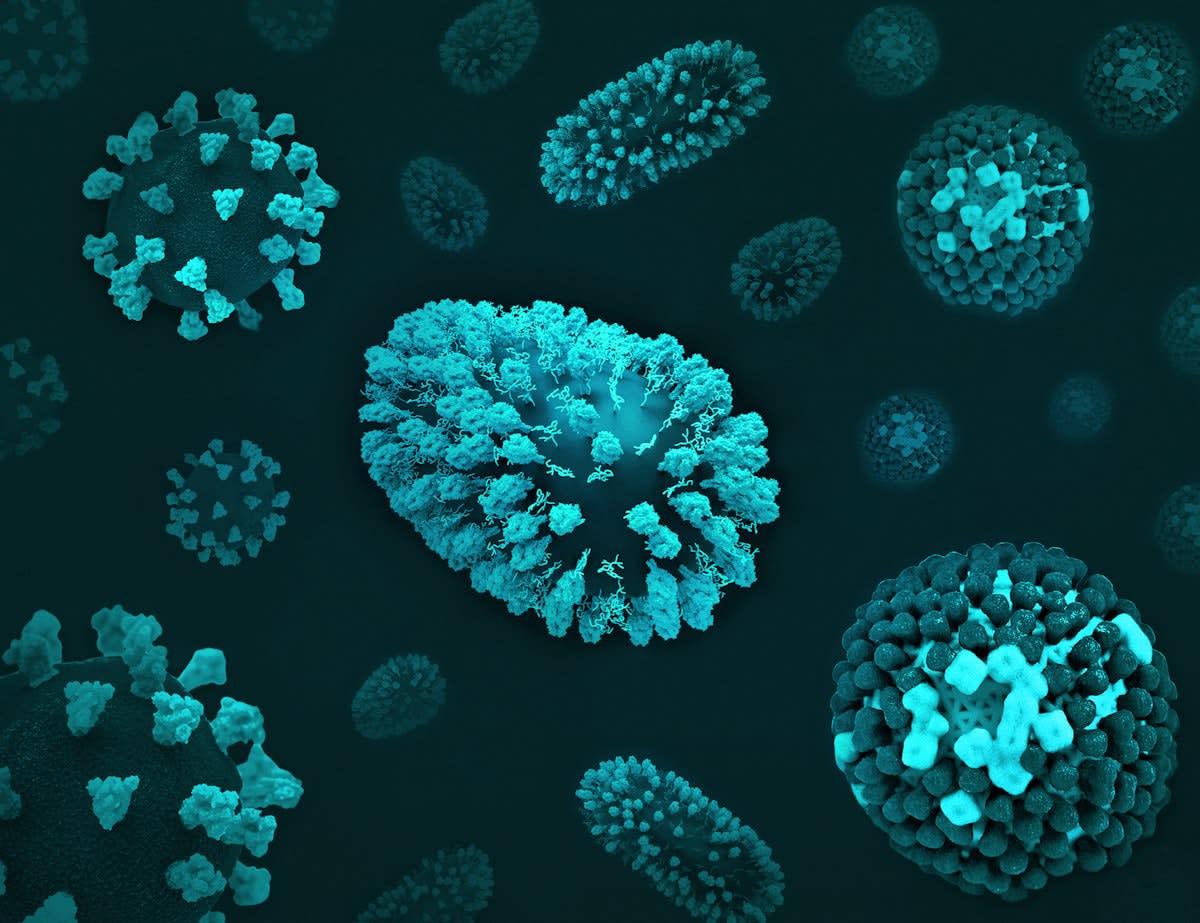
For decades, phage therapy was a regional curiosity, primarily kept alive in the clinics of Georgia and Poland. These practitioners used 'phage cocktails'—mixtures of naturally occurring viruses harvested from sewage or environmental samples. While effective in some cases, the natural approach is clumsy. Natural phages are often too specific, meaning a patient might need a different phage for the exact same strain of Pseudomonas as the person in the next bed. The 'Pivot' happens when we stop hunting for the right phage in the wild and start building it in the lab.
Engineering the Assassin: CRISPR and Synthetic Phages
The integration of CRISPR-Cas systems into phage genomes has fundamentally changed the game. Instead of relying on the phage's natural lysis mechanism, scientists are now programming phages to deliver a genetic payload that targets the bacteria's own resistance genes. This does two things: it kills the target cell and prevents the survivors from sharing resistance plasmids with other bacteria. We are no longer just killing a bug; we are deleting its ability to resist treatment.
"The transition from discovery-based phage therapy to design-based therapy represents a shift from biology as a lottery to biology as software. We are now writing the code that determines which bacteria live and which die."— Dr. Elena Rossi, Lead Researcher at the European Center for Synthetic Biology
This precision is a stark contrast to the data from just 12 months ago. Last year, the primary focus was on 'phage banks'—massive libraries of natural isolates. Today, the trend has shifted toward 'modular phage platforms.' These platforms allow researchers to swap out the tail fibers of a virus—the part that recognizes the bacteria—to change the target species in a matter of days rather than months of searching. This agility is critical when dealing with rapidly mutating hospital-acquired infections.
| Feature | Natural Phage Therapy (2023) | Engineered Phage Therapy (2024/25) |
|---|---|---|
| Sourcing | Environmental sampling (Sewage/Soil) | In-silico design & DNA synthesis |
| Specificity | Strain-dependent (High variability) | Programmable (Broad or Ultra-precise) |
| Speed of Deployment | Weeks to months (Screening time) | Days (Modular synthesis) |
| Resistance Mitigation | Passive (Hope for lack of resistance) | Active (CRISPR-mediated gene deletion) |
But what does this look like on the ground? If you walk into a cutting-edge infectious disease ward in Singapore or Berlin, the debate isn't about whether phages work—it's about the 'Personalization Friction.' Practitioners are arguing over the logistics of the 'bedside-to-bench-to-bedside' pipeline. In the real world, a patient with septicemia cannot wait three days for a custom-engineered phage to be synthesized and purified. The current friction point is the gap between the speed of synthetic biology and the speed of clinical delivery. We have the code, but we don't yet have the 'on-demand' pharmacy.
Global Adoption and the Regulatory Wall
The regulatory landscape is struggling to keep pace with the technology. Traditional FDA or EMA approval processes are designed for static chemical compounds. A drug is one molecule, tested in a trial, and approved. But an engineered phage is a biological entity that may need to be tweaked for every single patient. This 'N-of-1' medicine model breaks the traditional clinical trial framework. In the US, most engineered phage treatments are still administered under 'Compassionate Use' or 'Expanded Access' protocols, which are essentially regulatory loopholes for dying patients (Source: FDA Regulatory Framework, 2023).
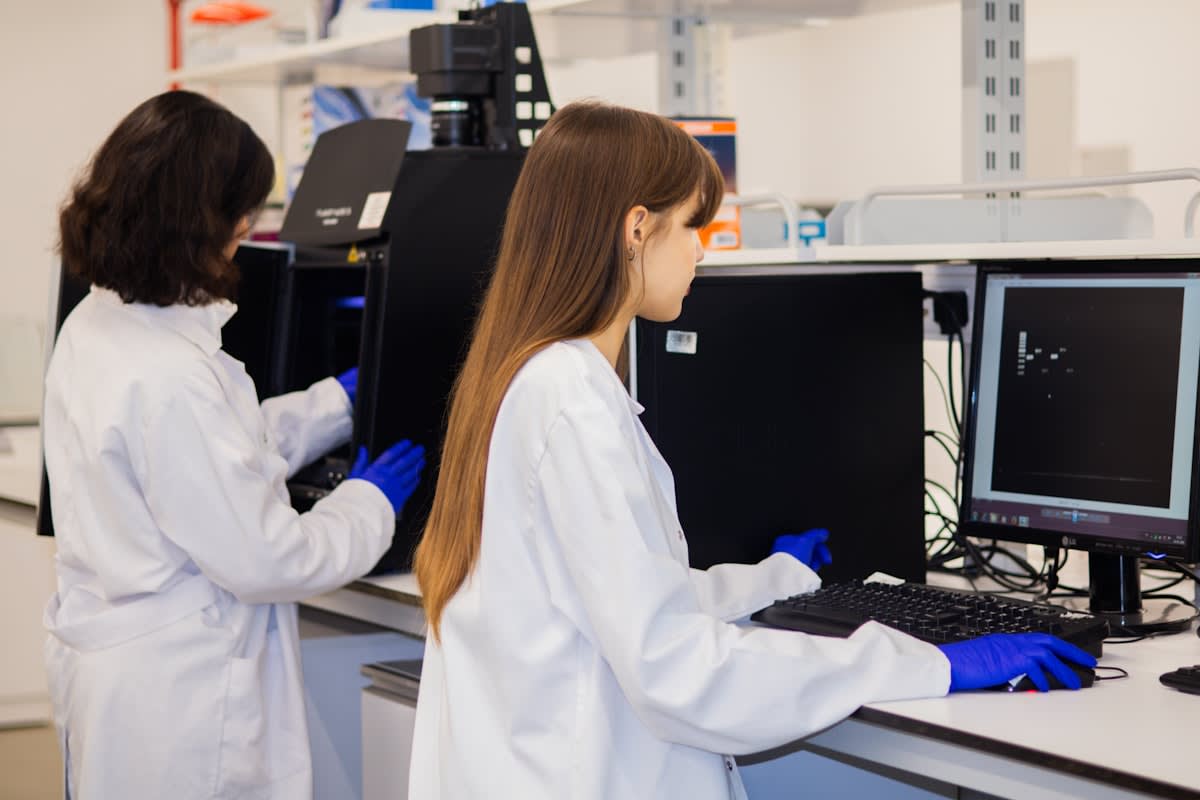
Across the globe, the approach varies. In India, there is a growing movement to integrate phage-based diagnostics with treatment, identifying the specific bacterial strain via rapid sequencing before selecting a synthetic phage from a modular library. This integrated approach reduces the 'trial and error' phase that plagued early phage therapy. The goal is a closed-loop system: sequence, design, print, treat.
- CRISPR-enhanced phages that target antibiotic resistance plasmids specifically.
- Synthetic tail-fiber engineering to expand the host range of a single phage.
- Phage-derived endolysins: Using the 'enzymatic drill' of the virus without the virus itself.
- Synergistic therapy: Combining phages with sub-lethal doses of antibiotics to force bacteria into an evolutionary trade-off.
The economic shift is equally telling. Venture capital is flowing away from traditional small-molecule antibiotics and toward synthetic biology platforms. The market for antimicrobial peptides and synthetic phages is projected to see a compound annual growth rate (CAGR) of over 12% through 2030 (Source: Global Bio-Tech Market Analysis, 2024). Investors are betting on the platform, not the product. They aren't buying a 'drug' for MRSA; they are buying the 'factory' that can create a drug for any bacteria that emerges.
The Evolutionary Trade-off
Does this mean we've won? Not quite. Bacteria are masters of adaptation. Just as they evolved resistance to penicillin, they can evolve resistance to phages. However, the Phage Pivot provides a critical advantage: co-evolution. When a bacterium evolves to resist a phage, it often does so by altering its surface receptors. In many cases, this makes the bacterium more susceptible to the human immune system or more sensitive to traditional antibiotics. This 'evolutionary trap' is the real secret weapon of the synthetic approach.
We are moving toward a future where we don't just fight infections; we manage them. By using engineered phages to prune the microbiome of specific pathogens while leaving the rest intact, we avoid the devastating dysbiosis—the gut flora collapse—that often follows heavy antibiotic use. This is the resilience model of medicine: adapting our tools as quickly as the enemy adapts its defenses.
Fact-Check & Accuracy Note
Key claims regarding AMR mortality rates are sourced from the World Health Organization (2024). Regulatory hurdles regarding 'N-of-1' trials are based on current FDA expanded access guidelines (2023). The market growth statistics are derived from 2024 bio-tech industry analysis reports. Ongoing debates regarding the 'bedside-to-bench' timeline reflect current practitioner discourse in synthetic biology forums.